 United States
US
United States
US









A Day In The Life Of A TEFL Teacher In A Language School
Join a global community of over 200,000 TEFL teachers working throughout the world! Enrol me!


 December 9, 2025
After receiving my Master’s in TESOL from the University of Edinburgh and returning to my hometown in Indiana, I made the bold leap to move to Malta, a country I knew nothing about.
I spent 7 years working at a language school in Malta, where I taught students from all over the world (Japan, Russia, Colombia, Kazakhstan, Turkey, and many more).
I taught a range of levels, from Beginner to Advanced, and primarily taught adults. This was my first experience teaching English as a foreign language.
Read more: Survival Tips For Your First Day In The EFL Classroom
When I first started, I was not the least bit confident in my abilities, despite having previous teaching experience and a Master’s degree. By the end of my time in Malta, however, I was thriving and helping to train other new teachers at the school.
Throughout my teaching experience in Malta, I spent a great deal of time creating my own materials to use with my students. I eventually self-published them in a resource book (On The Go English)on Amazon and also share useful resources through a Facebook page I have created. I love being able to share my knowledge and experiences with others!
Working conditions in a language school
I worked at Club Class Language School, which is in the heart of Malta. It’s a residential language school, which means that students come from all over the world to study and live there, staying for various lengths of time (from a few weeks to a year).
The school offers group and one-to-one lessons. The class sizes vary, with the maximum number of students being 12. While the majority of the students are adults (ranging from 20 to 70 years old), during the summer months Young Learners come to study as well.
Read more: 6 Differences Between Teaching Adults And Young Learners



There was a wide range of nationalities at the school, including students from Asia, South America, Russia, Turkey, and many countries within Europe. Courses are offered from Beginner to Advanced levels all year round.
My working hours were generally from 9 am to 4 pm. This included teaching for 6 hours (2 separate groups). I would teach a Beginner class for 3 hours in the morning and then an Intermediate class for 3 hours in the afternoon. These hours varied throughout the year depending on how busy the school was.
I was on a zero-hour contract, which meant that when the school is quieter during the winter, my hours may be a bit reduced. Luckily, Malta is somewhere that remains steadily busy throughout the year, so this was never much of an issue, and I always had work.
While many of the teachers at the school are Maltese, there are quite a few foreigners as well. I had the opportunity to work with teachers from South Africa, England, and Ireland.
Materials are provided by the school, and all teachers follow a coursebook. Teachers are allowed to supplement the book with our own materials, which I did often.
Read more: 5 Ways To Adapt Your EFL Coursebook
Requirements to teach at a language school
Being from the United States, I typically wouldn’t have had the opportunity to teach in Malta as I would have required sponsorship by the school for my visa. This is not something schools offer.
Because my husband is British, I could get a visa as the spouse of a British citizen. This was only the case at the time, as the UK was part of the European Union. These days, it would be much more difficult due to Brexit.
If you are an EU citizen, no work visa is required currently, but non-EU citizens will have more difficulty. While I have a Master’s degree, the school doesn’t require this and only asked for teachers to have a TEFL certification. The rate of pay, however, is higher depending on the qualifications you have.
Morning routine for a teacher in a language school
The best part of teaching in Malta is that you generally wake up to blue skies and the sun shining (300 + days of sunshine a year!).
You then make your way to the school through the winding, narrow roads and along the stunning coast to work. Never a bad way to start the day!
Summers can be fairly brutal in terms of temperature and tourists, so if you’re going by public transport, be prepared to spend some sweaty mornings fighting your way onto a very crowded bus. Luckily, it’s a small island, so the short travel time makes it a bit more bearable!
Mornings as a TEFL teacher are always a busy time, so it’s good to plan ahead so that you have your lesson plan and materials ready for the day.
The queues at the copier are usually long and there’s often a mad dash to get everything copied before the lesson starts!
Mornings are also a time to grab a cup of coffee in the staff room and catch up with colleagues (depending on how early you arrive). I always like to get to work at least 30 minutes before my lessons start just to have time to settle in before a busy day of teaching.
Classroom routine
Every Monday morning, teachers are given their updated class lists. New students would join the school on a weekly basis and current students would change their level, so the class dynamic was constantly changing. It certainly kept things lively and allowed me the chance to learn about a wide range of cultures!
The start of each lesson is an opportunity to simply chat with the students. I really believe in the importance of getting to know your students well because this can help you to plan your lessons more effectively. Of course, this very much depends on the level of your students. Making small talk with Beginners is not easy, but you have to be creative!
Read more: 5 Tips For Building Rapport In The Classroom
Once everyone has arrived and is settled, we begin our lesson for the day, which always starts with a warmer to introduce the topic.
For me, I always come to my lessons with a positive and enthusiastic attitude and try to get my students excited about what they are going to learn. Teaching grammar can be a bit dull, so it’s important to find ways to make it engaging!
My lessons were typically General English, focused on grammar, vocabulary, listening and speaking activities. My main goal is always to get students communicating as much as possible. Very often, I create my own materials to supplement the coursebook.
While coursebooks can be great, I enjoy personalising the lessons to make them more interesting for the students. I use the book as an outline but tailor my lessons based on the students’ interests, cultures, and needs.
Midday workload
After finishing the morning lessons, it’s time to prepare for your classes in the afternoon. This meant teaching a different group of students and often at a different level.
I again learned the importance of being prepared ahead of time, as the staffroom is always a busy place and having to think about what you will be teaching during the short breaks can be stressful. That’s not to say there weren’t days when I was frantically searching various resource books, trying to decide what to do with my students.
As a TEFL teacher, it’s crucial that you are flexible. Lessons don’t always go as planned and you have to be prepared to change things up at the last minute. I was constantly assessing my students and having to adapt the lessons accordingly based on their progress and engagement.
Afternoon routine for a TEFL teacher in a language school
I particularly enjoy my breaks between lessons and lunchtime as this is an opportunity for me to spend time with my co-workers, who are a mix of different ages, ethnicities, and backgrounds. It is a good time to share our experiences and knowledge, and I find I learn so much from just asking my colleagues for advice when I am struggling with something, whether that be a challenging student or a grammar topic I just couldn’t get my head around!
Teaching for a full day can also be exhausting, so it’s great to have that camaraderie and time to just unwind.
Afternoon Sessions
My lessons in the afternoon are spent with a new group of students from around the world. I tend to find that I have less energy by the afternoon, so another cup of coffee is always a must! It’s important for me to keep the lesson dynamic and engaging, as often the students are a bit tired as well.
The afternoon class is also General English, so the lessons remain focused on teaching the necessary skills and trying to get students to use the English they are learning as much as possible.
The end-of-the-day routine
The end of a day always feels like an accomplishment. It’s time to go and enjoy the sun and sea!
I often, however, stay after my lessons to prepare for the following day or just have a quick chat with a colleague. The school I has its own swimming pool and gym, so I sometimes take advantage of this!


After-work hours: Free time and social life
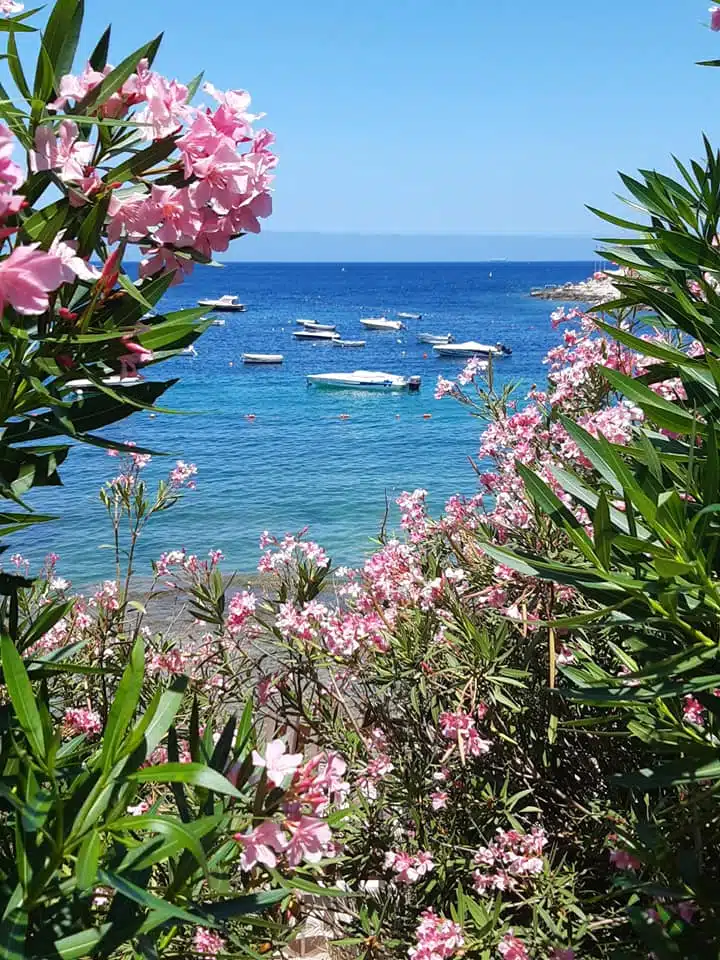
Malta’s gorgeous landscape and warm sunshine is a fantastic backdrop to work life.
Evenings are usually spent going for walks along the promenade, barbecuing along the rocky shores and admiring the turquoise sea, or going for a dip to cool off.
While Malta is a small island, there is always something to do. At the weekend, my husband and I typically go exploring, whether that be to the crystal-clear waters of the Blue Lagoon or the ancient city of Mdina.
Malta is located in the heart of the Mediterranean, so it is a quick flight to many beautiful locations. My husband and I were fortunate to travel quite regularly, visiting places like Rome, Sicily, and Croatia. As a TEFL teacher, we get plenty of time off throughout the year and many teachers use this as an opportunity to travel.
The school itself has lots of social activities for employees, whether that be a Christmas party, boat trip, or quiz night by the pool. Spending time with colleagues outside of work is something we do often and always a fun time!
Tips for teaching in a language school in Malta
Teaching in Malta was one of the best times of my life. It was an extremely rewarding and culturally rich experience.
Malta is a very popular destination for English language learners, so you get the opportunity to teach students from all over the world. With over 30 language schools on the island, there are plenty of job opportunities and schools tend to stay busy throughout the year.
Another benefit is that English is an official language alongside Maltese, which makes life a lot easier and allows students the chance to truly immerse themselves in the language. I would definitely recommend still learning some Maltese, though.
For anyone considering a move to Malta, make sure you do your research first. There are so many language schools scattered around the island, but you want to be sure you find a reputable one.
While summer is the busiest time for language schools, I wouldn’t suggest moving there in the peak of summer (which is what I did) as accommodation is more expensive and harder to find, plus the weather is pretty unbearable.
The best part about teaching in a language school in Malta is the diversity of the students. We very often would have international food days, which was quite a hit! Learning about the students’ cultures is fascinating and I tried to incorporate this into my lessons as much as possible.
So if you’re looking to kickstart your TEFL teaching career and also for a relaxed lifestyle in the Mediterranean, then Malta is the place for you!
Read more: Teach English In Malta
Author Bio

Accreditation & Quality Assurance
The TEFL Academy was the world’s first TEFL course provider to receive official recognition from government regulated awarding bodies in both the USA and UK. This means when you graduate you’ll hold a globally recognised Level 3 (120hr) Certificate or Level 5 (168hr) Diploma, meaning you can find work anywhere and apply for jobs immediately.