Meet Schalk: A South African online teacher working full-time
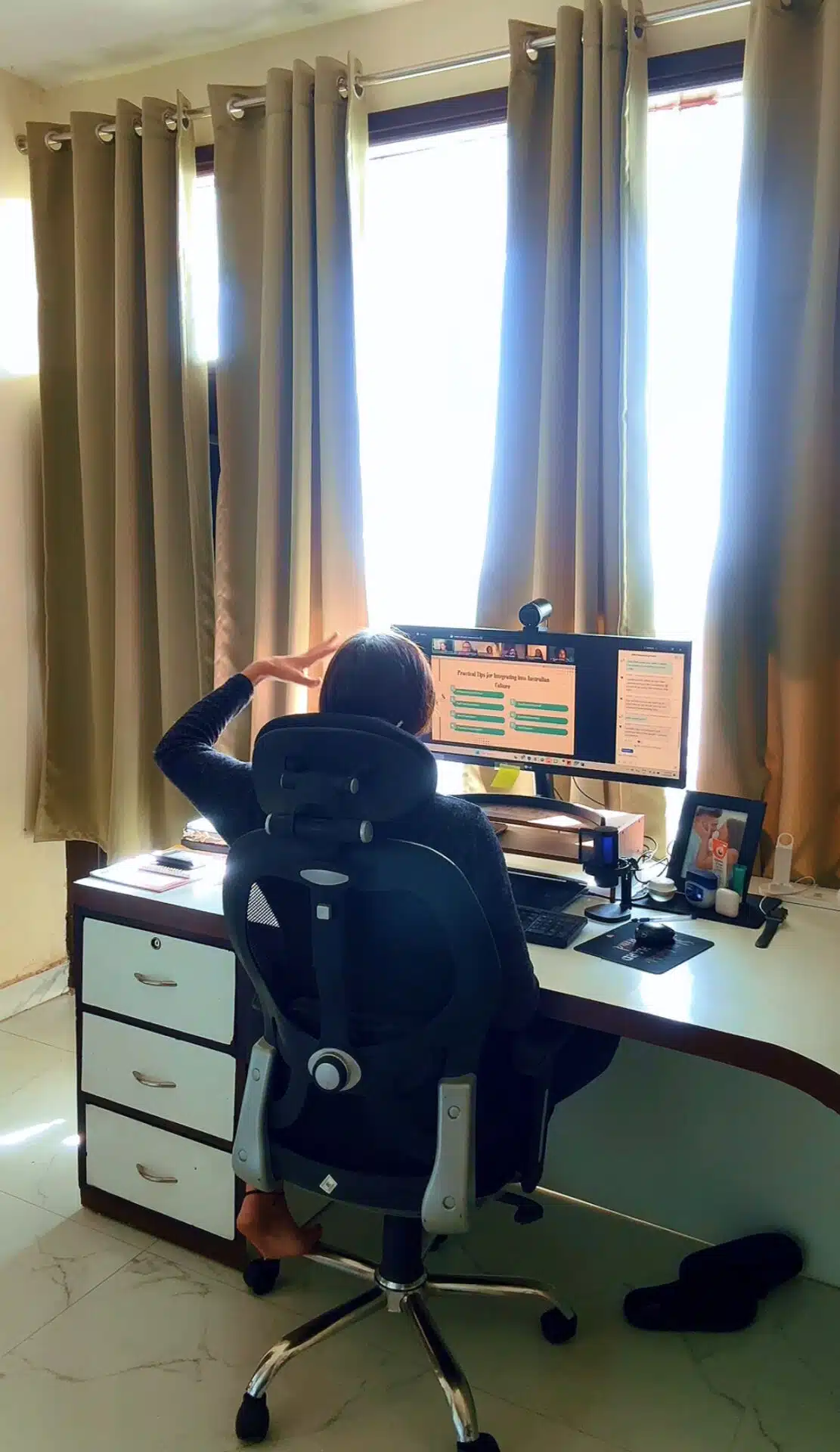
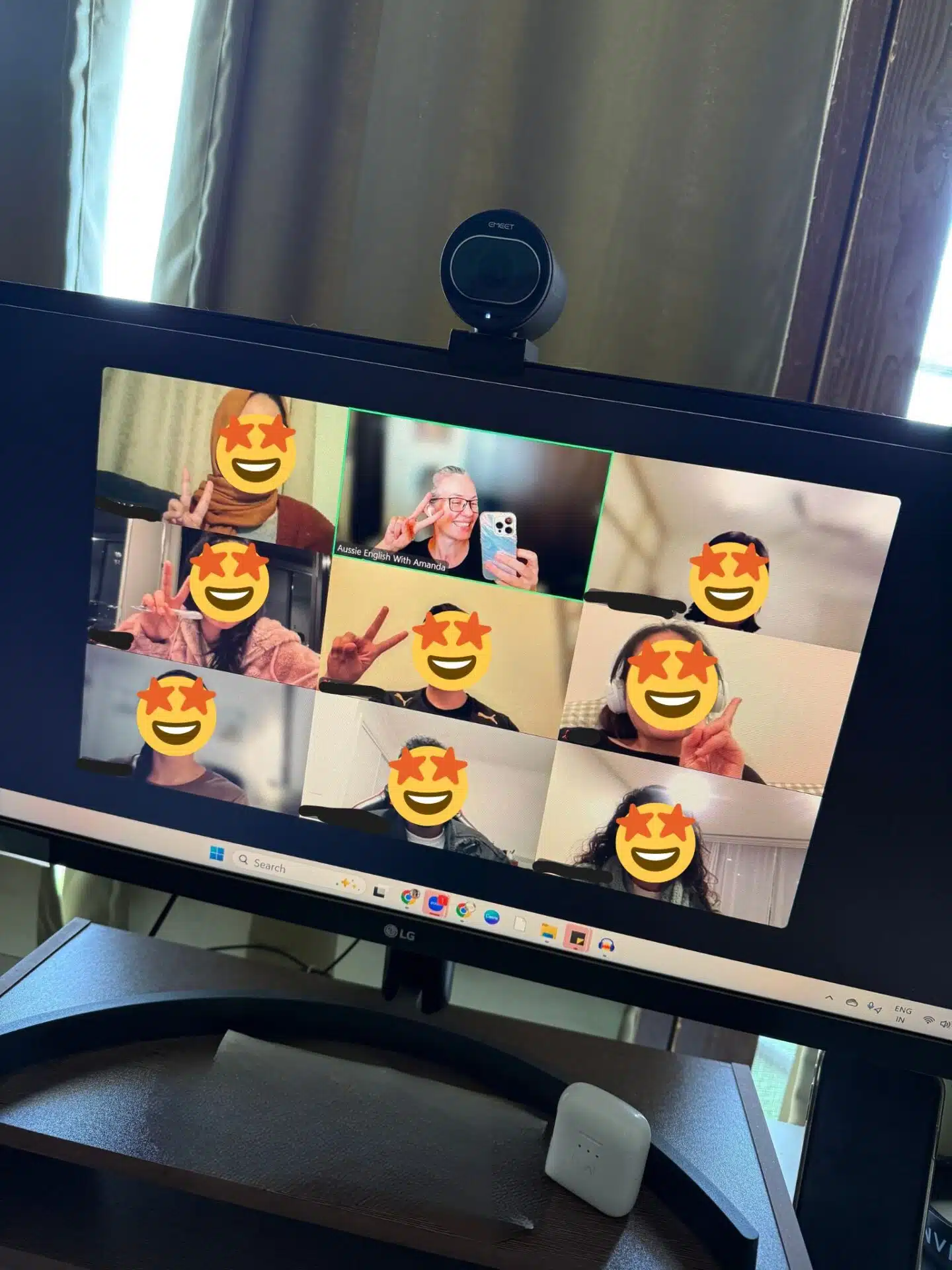
Schalk is a 26-year-old South African currently living in Cape Town. With a Level 5 TEFL qualification from The TEFL Academy, he has taught online for three years. He teaches on two major online platforms (Cambly and Preply) full-time, earning more than when he was teaching in Thailand!
Here’s how he juggles teaching on multiple online platforms.
Read more: Why I Quit Teaching In Thailand To Teach Online Full-Time
Why two platforms is the perfect balance

I currently teach on two platforms, and honestly, that’s the maximum I’m comfortable with.
The ESL industry became extremely saturated after COVID, when thousands of new teachers applied to online platforms. Many companies grew too fast and didn’t always vet teachers thoroughly, which has made competition for bookings much tougher.
Because of this, platforms can feel overcrowded, and joining a third one doesn’t always increase opportunities — sometimes it just increases stress.
Two platforms is the perfect balance for me. They each have different systems, tools, materials, and policies, and keeping track of all of that can become overwhelming if you add more. With two, I get enough bookings without burning myself out.
I open the same availability on both platforms, and whichever one gets booked first automatically blocks the other. This keeps things organised, avoids double-bookings, and makes two platforms manageable.
What a typical day looks like for an online teacher
I live in Cape Town, which puts me six to seven hours behind my main student base (China, Taiwan, Japan, and South Korea). This works perfectly because I can start my teaching day at 8 am and finish around 5 pm, right when Asian students are finishing school and heading into their evening routine.
My peak hours are usually 10 am to 1 pm, when schools in Asia close and students book lessons before evening academy classes.
Most platforms offer 25–30 minute lessons, which often means back-to-back teaching. A 25-minute lesson gives me a natural 5-minute buffer; 30-minute lessons roll straight into the next one. Either way, the times are predictable because students usually book on the hour or half-hour.
I keep both platforms open in separate tabs, so transitioning is instant: end one class, click the next tab, and begin. The only “start-of-day” task is a system check (camera, sound, internet), which takes less than a minute.
Managing bookings across different systems
Thankfully, the two platforms I work on are structured similarly, so their requirements don’t clash.
The main differences are:
- On one platform, bookings are automatically confirmed.
- On the other, I can accept or decline requests after viewing the student’s profile.
Payment schedules also differ:
- One platform pays automatically every week, two weeks, or four weeks — I choose every four weeks to treat it like a salary.
- The other lets me withdraw earnings anytime.
Teaching materials are provided on both, which makes prep incredibly easy. You can literally open the lesson and teach without prior preparation if needed.
For student notes, both platforms offer:
- a profile visible during the lesson
- private notes
- shared feedback
- a chat box with auto-translation
Because the platforms handle most organisation on their end, I keep my own system simple: consistent routines and checking my calendar daily.
The mental load of teaching students back-to-back
The mental load doesn’t really come from the platforms — it comes from switching between students.
Every student has a different personality, energy level, and learning style, and that shift requires mental flexibility.
Platform interfaces are easy once you get used to them. They’re designed to be simple and intuitive because companies want the experience to be smooth for teachers and learners.
The real work is adapting your teaching style. With new students, it takes me about five minutes to figure out what approach fits best. Most students eventually become regulars, so I quickly learn their pace, preferences, and personality.
Read more: Adapting To Different Learning Styles In Online Lessons
Adult learners are the only group with stronger expectations, since their goals are often work-related. I just make sure to clearly explain what we’ll cover and how it helps them reach their goals.
Platform rules are very similar across the industry, so as long as you follow general best practices — show up on time, engage, communicate, be professional — switching platforms mentally isn’t difficult.
Scheduling challenges and how to avoid them
Double-bookings are rare because both of my platforms sync with my Google or Apple Calendar. If a booking comes in on one platform, that time slot automatically closes on the other.
As long as your admin is up to date, overlapping schedules are almost impossible.
Cancellations, however, happen regularly. When a student cancels:
- the slot re-opens on both platforms within a minute
- students can rebook it as long as it’s outside the minimum booking window
I set my booking window to six hours so I never get caught off-guard by last-minute lessons when I’m not at home.
For my own cancellations, platforms allow it but policies differ:
- Cancelling within an hour may require proof if you’re sick
- Cancelling more than 12 hours ahead is usually penalty-free
No matter what, I always message the student directly. Communication keeps trust strong and shows professionalism.
Financial planning as a full-time online teacher
The financial side looks different for every teacher.
For me, it became easier once I started travelling long-term. Because I rarely spend more than 183 days in one country, I’ve often been considered a non-tax resident. Tax obligations depend on where you live, your visa type, and your residency — so it’s something teachers should research carefully.
For budgeting, I set a clear monthly (or 4-week) income goal. I calculate how many hours I need to reach it, then track my earnings weekly. If I’m behind, I open more hours. If I’m ahead, great — extra income is always welcome.
Income is always irregular in online teaching, but it stays within a predictable range.
Because most platforms pay in USD, I use Wise to manage multiple currencies. Wise lets me:
- receive USD
- hold it
- convert it cheaply
- send it to any of my bank accounts worldwide
This avoids high fees and complicated reporting that traditional banks often impose.
If you are a tax resident in your home country, it’s best to work with a tax adviser who understands foreign income.
Read more: How Teaching English Online Lets You Travel The World And Earn A Living
Early mistakes and what he learned from them
My biggest early mistake was chasing money too aggressively. Coming from a job where I felt undervalued, I became obsessed with how much more I could earn online. I kept accepting every booking I could, watching my earnings climb after each lesson.
And then burnout hit — fast.
I had money, but no time for myself or anyone in my life. I was constantly exhausted, and teaching became something I endured instead of enjoyed.
Eventually, I had to:
- cut back my hours
- set strict boundaries
- plan my days properly
- say no to bookings when needed
Another mistake was not researching platforms thoroughly. During the post-COVID boom, tons of new companies appeared — some legitimate, some not. One scam or one bad experience is enough to teach you to be cautious.
If I could start again, I’d tell myself:
- pace yourself
- protect your energy
- research platforms deeply
- money means nothing if you’re too drained to enjoy your life.
Creating a sustainable work–life balance
The key to preventing burnout is having non-negotiable boundaries.
My biggest boundary is my income target. I decide what I need to earn and how many hours that requires. Once I hit that, I close my availability. This stops me from overworking or chasing every booking.
I open my schedule from 8 a.m. to 5 p.m., but I don’t teach that whole window. Some days I start at 10; some days I finish at 3. It all depends on how my hours spread out.
This creates a natural work-life balance:
- If I finish early → errands, appointments, personal time
- If I start later → a relaxing morning
Once you build a routine and stick to it, teaching becomes sustainable instead of draining.
Schalk’s advice for teachers using multiple platforms
My advice is simple: don’t rush it.
The ESL industry is still strong but very different from a few years ago. Many top platforms are saturated, selective, or not hiring. Some new ones underpay or aren’t legitimate. So research is crucial.
Before adding a second platform, make sure you:
- have a solid routine on your current platform
- know your income goals and boundaries
- understand how to manage your schedule well
- have your admin systems in place
Then check:
- Are the platform requirements realistic?
- Do they require special equipment or backgrounds?
- Is the pay worth the effort?
- Are there teacher reviews?
Adding another platform can diversify your income, but only if you pick the right one and manage your time intentionally.
Author Bio
Teacher in the Field represents our TEFL Academy global community sharing their real-world experiences from classrooms and institutions across the world. From diving into TEFL to chomping down on chow mein in China, to navigating your first-day nerves in Spain, our collective voice brings authentic stories, insights, and practical advice right from those living the adventure.
Read
Teacher in the Field's story →
 United States
US
United States
US










 December 9, 2025