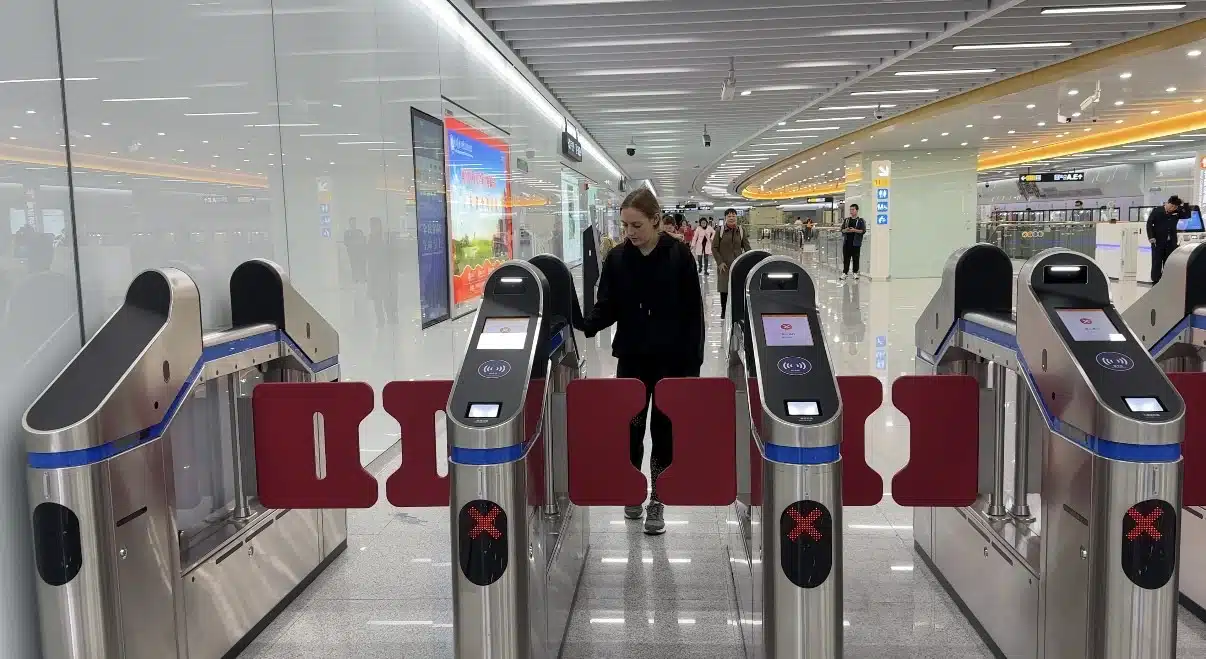
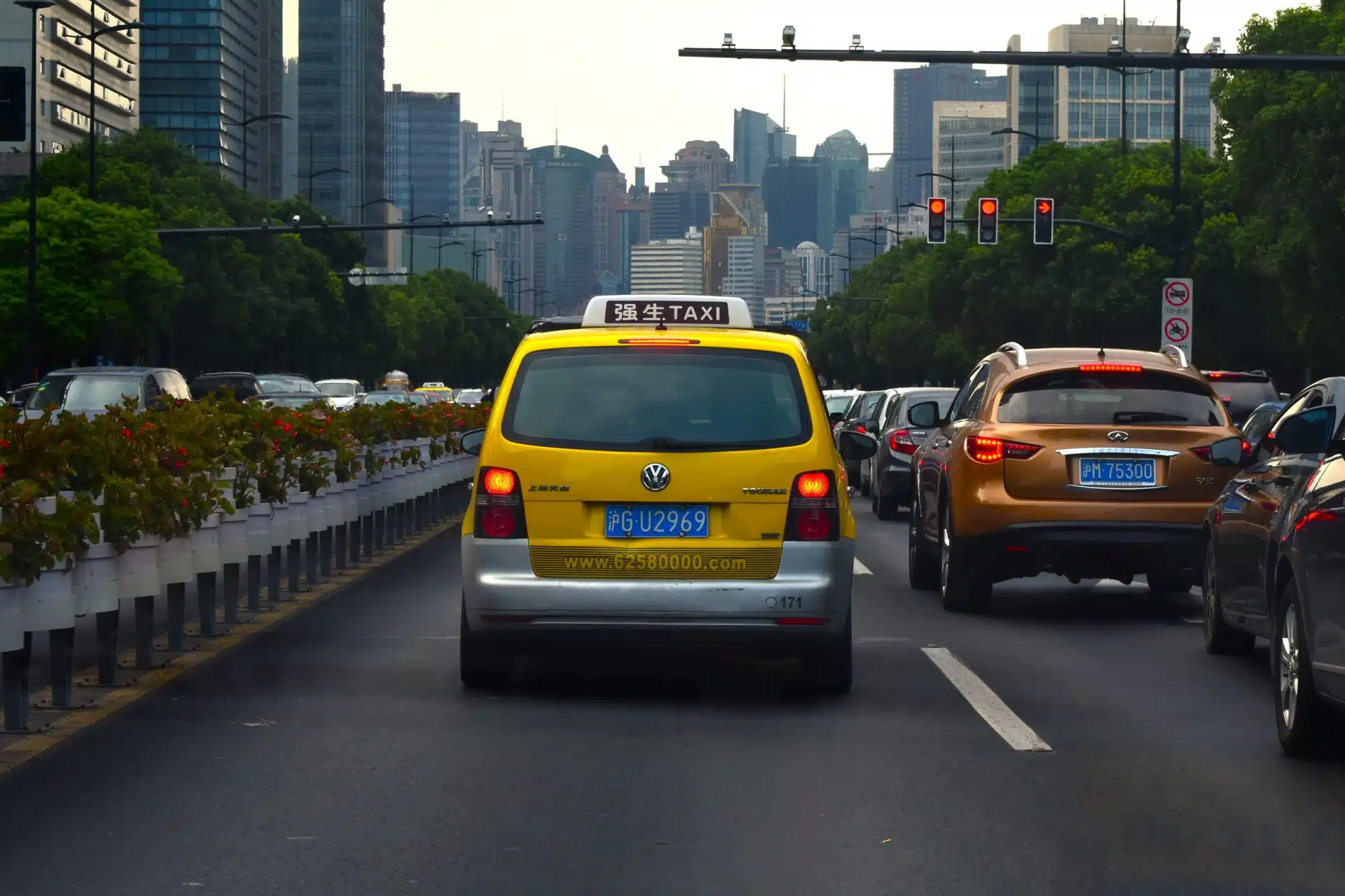
Hi! I’m Sonia, a 26-year-old South African English teacher living in Guangzhou and currently in my second year of teaching in China. I teach Grade 2 at an international IB school. I chose to teach in China because I wanted a lifestyle that offered travel, culture, and a healthy work–life balance. After teaching in South Korea, I kept hearing incredible things about China from other ESL teachers – so I took the leap.
What I wasn’t prepared for was how big a role VPNs would play in my daily life. I thought the biggest adjustment would be the food or the language… nope. It was the internet. Suddenly I needed a VPN for EVERYTHING, and these FAQs are exactly what I wish I had read before moving here!
Hang on! If you’re feeling a bit confused, here are two definitions you need to be familiar with for this blog post: The Great Firewall of China is a system of internet controls used by the Chinese government to regulate online content by blocking, filtering, and monitoring access to foreign websites and online services within China.
A VPN (Virtual Private Network) is a service that encrypts your internet connection and routes it through a secure server, helping protect your privacy and allowing you to access websites and services as if you were in a different location. TEFL teachers in China utilise VPNs to get around the Great Firewall.
Read more: Why You Should Move To China To Teach English
Did you use VPNs before moving to China?
Yes, absolutely! Before moving to China, I used NordVPN whenever I connected to airport wifi, cafés, hotels, or any random hotspot while travelling. Nothing dramatic – I just once had my bank card hacked on public wifi, and that was enough trauma for a lifetime. After that, I was too scared to connect to public wifi without a VPN.
But needing a VPN to access basic everyday apps? No. That part was new!
In China, my VPN quickly shifted from “something I use for safety” to “something I need just to live my life.”
Suddenly, I needed a VPN to:
- message my family on WhatsApp
- use Google (+ Google Translate & Google Maps)
- watch YouTube or Netflix
- use Meta apps, like: Facebook, Instagram, or TikTok
- search for lesson materials
- access ChatGPT
So yes — I used VPNs before moving to China, but China is where I learned what it means to depend on one.
Which apps require a VPN in China — and which apps don’t?
Here’s the breakdown I wish I knew before coming to China!
Apps that DO require a VPN in China:
- Google (Search, Maps, Docs, Drive – all of it)
- YouTube
- Instagram
- WhatsApp
- Facebook
- TikTok
- Messenger
- Gmail
- ChatGPT
- Netflix
- Reddit
- Pinterest
- X (Twitter)
Basically: if it’s Western social media or relies on Google, you’ll need a VPN.
Honestly, this is one of the first things people panic about before moving to China — and it was one of my worries too. With so many Western apps blocked, you sort of assume that nothing will work unless your VPN is on. But that’s not the case at all.
China has its own set of everyday apps that work perfectly without a VPN, and they actually end up becoming the main apps you use every single day (and you’ll very quickly become obsessed with these apps because they are SO convenient!).
Apps that do NOT require a VPN in China:
WeChat can be used for everything: messaging, calls, video calls, sending documents, paying for things (groceries, rent, shopping, etc), group chats & even booking train tickets.
It’s super reliable – you need this app to survive here, and it works with zero VPN, but file compression can be annoying, and while video calls are great inside China, they are not always as strong internationally.
- Alipay (payments, metro access, shopping, utility bills)
This is my go-to for buying groceries, online shopping, paying for the metro and paying at restaurants. It’s extremely smooth, but I’ve learned that if your VPN is ON, Alipay sometimes refuses to load. So whenever I’m paying for something, I always double-check that my VPN is off.
- Meituan & Ele.me (food delivery & grocery delivery)
I use these apps weekly. They’re fast, reliable, totally in Chinese, but you quickly get the hang of it thanks to the pictures. You don’t need a VPN, and the delivery system is honestly next-level compared to anywhere I’ve lived.
- Didi (ride-hailing / China’s Uber)
Works perfectly without a VPN. Only warning: sometimes the driver might call you, and it will probably be in Chinese. If all else fails, they’ll still find you — they’re used to English teachers! (And the location services on the app are really accurate, so the driver is usually able to find you.)
- Baidu Maps, Gaode Maps & Apple Maps (navigation)
All three of these navigation apps work without a VPN, and I’d recommend using these instead of Google Maps (which will not load without a VPN and can be super stressful when you’re lost). Apple Maps works surprisingly well in big cities.
- Taobao & JD (online shopping)
Be careful when downloading these apps.. you might just develop a shopping addiction like I did! You can buy literally anything — clothes, appliances, decorations, gifts, imported snacks… and it’ll be delivered to your doorstep within 24 – 48 hours! No VPN needed.
Basically, what’s important to remember is that even on the days when your VPN isn’t cooperating, your life in China doesn’t stop.
You can still:
- order food
- get a taxi
- message your coworkers
- make video calls inside China
- pay for everything
- navigate the city
- shop online
Your VPN becomes more like a “gateway to the outside world,” while Chinese apps cover everything locally.
Which are the best VPN services in China?
I’ve tried a LOT of VPNs.
Here’s my personal experience with each:
⭐ NordVPN (my long-term favourite for travel + general use)
- I used it before China and still use it here.
- Definitely need to download this one before coming to China.
- Not perfect in China, but consistently decent.
- A good primary VPN — but still have a backup!
⭐ Astrill
- Used it throughout my first year in China
- Really strong speeds (for the most part), and lots of server options
- Very expensive (approximately $180 per year) – but you can share with up to 5 devices, so I split the costs with 2 of my friends and it ended up being more affordable because we paid $60 each.
- Toward the end of the year, it randomly became unreliable for me and started slowing down a lot, so I decided to try some new VPNs instead.
⭐ Shadowrocket
- Very popular in China (it’s a Chinese app)
- Great speeds, especially for streaming.
- A bit more technical and confusing to set up, but once it’s set up, it’s great. I’m currently using this VPN at the moment.
⭐ Let’sVPN
- Very easy to use
- Super affordable
VPNs that didn’t work for me personally:
- ExpressVPN — constantly dropped, struggled to connect. But some people swear by it.
VPNs that were okay but not amazing:
- Surfshark — fine, not great, not terrible.
Final takeaway:
In China, you don’t choose “the best VPN.”
You choose two or three that cover each other when one randomly decides it’s done for the day.
Did you download your VPNs before arriving in China?
Thank goodness, yes — because it makes your life SO much easier. Download BEFORE you arrive. Always. Not just install — sign in and test it.
Because once you land in China…
- some app Stores won’t show VPN apps
- many VPN websites won’t load without a VPN (the irony)
- certain VPNs require verification emails that you can’t access
- some setup pages are blocked
It’s still possible to download one once you’re here, but it’s a mission. Save yourself the headache and do it in advance!
How did using a VPN impact your teaching?
Honestly? A LOT more than I expected.
As a teacher, I rely heavily on:
- Google for images, searches, and worksheets
- YouTube for songs, phonics videos, and ESL content
- Google Docs for planning
- ChatGPT for lesson ideas
I technically could survive teaching without a VPN, but having a VPN definitely makes my life a lot easier! Because I teach the younger grades, I rely heavily on fun songs and chants from YouTube. As a teacher in China, you totally could use the local search engine instead (BING!), but I personally prefer Google.
However, there have been days where:
- Google wouldn’t load
- YouTube buffered endlessly
- My VPN dropped mid-lesson
- Resources took forever to open
It’s not often — but when it happens, it’s frustrating.
Based on my personal experience, I’d recommend downloading your content in advance. For instance: Instead of streaming a song from YouTube during your lesson, rather screen record the song in advance and save it to your computer or on a flash drive. That way, you don’t need to stress about your VPN not working during your lesson.
Were there times or places where your VPN worked better (or worse)?
Absolutely.
Most stable times for me:
- Early mornings & during the day
- The beginning of the month (probably because of my wifi and data – as they get topped up at the beginning of each month, and wifi/ data connection influences VPN stability).
Least stable times:
- The evenings
- When I’m on public transport (makes sense, because the signal isn’t great)
Any workarounds you can share with us?
Yes — and these saved my sanity.
When your VPN refuses to connect, try this order:
- Turn it off and on again
- Switch servers
- Switch to data
- Switch back to wifi
- Restart the app
- Restart your phone
- Sacrifice a chicken (optional but feels necessary sometimes)
If ALL of that fails:
- The VPN is down globally
- OR your subscription expired (this happens more often than you think)
Other unexpected lessons:
- Some app updates break VPN connectivity
- Some VPN servers magically work better in certain cities
- Split-tunneling is your new best friend
- Chinese apps load better when the VPN is OFF
- Western apps load better when the VPN is ON
You’ll become a mini-IT expert whether you planned to or not!
Split tunnelling is a VPN feature that lets you choose which apps or websites use the VPN connection and which access the internet directly, rather than routing all traffic through the VPN.
How did your city or region affect your VPN experience?
City differences? Surprisingly, not much.
I’ve used VPNs in:
- Guangzhou (where I live)
- Shanghai
- Shenzhen
- Chengdu
- Chongqing
- Zhangjiajie
- Furong Ancient Town
And the only times I struggled were in more rural areas — not because of censorship, but because the wifi itself was weak.
If your wifi is weak, your VPN doesn’t stand a chance.
Tier 1 cities like Guangzhou, Shanghai, and Shenzhen didn’t feel stricter or harder to connect. They actually felt more stable because the infrastructure is stronger.
Tier 2 and rural areas? The censorship wasn’t worse — the wifi was. So the real rule is:
VPN quality = wifi quality × VPN stability × luck
Read more: Life In A Tier 1 City In China: Beijing
What tips would you give a new teacher who’s nervous about the internet in China?
Here are the things I tell every new teacher:
- Download at least two VPNs before arriving. Test both. Sign in. Make sure you know how to use them before coming to China.
- Download Chinese apps before you arrive, too. WeChat, Alipay, Meituan, Didi. You can obviously download these when you are in China, but it’s better to come prepared – because as soon as you land in China, you’ll need to use these apps.
- Don’t rely on Google Maps. In fact, don’t even keep it on your phone. Apple Maps works great here.
- Keep your VPN OFF for payments or local apps. Trust me. Learned this the hard way.
- Expect some frustration. VPNs stop working sometimes — even the expensive ones.
- Use lightweight servers for video calls. I have “go-to” servers specifically for FaceTime.
- Ask coworkers which VPNs they’re using. Sometimes local popularity = reliability.
- Don’t panic if the VPN drops — it happens to all of us. Take a breath. Try again. It usually works.
What’s one thing you wish someone had told you about VPNs in China before moving there?
That turning your VPN OFF is sometimes just as important as turning it on.
In my early days here, I was terrified that turning it off meant it would never reconnect again — like the Firewall would “trap” me. (Every new teacher thinks this.) But no — it’s totally fine.
And honestly, using Chinese apps with a VPN on is a disaster waiting to happen.
Turn it off.
Make your payment.
Open WeChat.
Scan your QR code.
Then turn it back on when you’re done.
Life gets MUCH easier once you stop being scared of the toggle button.
Which VPNs do you recommend for teachers moving to China?
Based on my personal experience:
⭐ Let’sVPN — simple and strong backup
(Good if you want something easy and dependable.)
⭐ NordVPN — reliable, secure, user-friendly
(Great primary VPN, especially if you already use it while travelling.)
⭐ Shadowrocket — extremely fast once set up
(Best for streaming and stability.)
⭐ Astrill — expensive but powerful
(If you don’t mind the price tag, it’s solid.)
Avoid relying on only one. China teaches you the art of backup plans.
Final Thoughts
VPNs are one of the strangest parts of living in China – essential, annoying, life-saving, frustrating, and totally normal all at once. They shape your teaching, your communication, your travel, your entertainment, and sometimes your mood.
But once you accept it as part of daily life, it stops feeling like a barrier and starts feeling like just another quirk of living abroad.
China is incredible – fast, exciting, vibrant, challenging, and unforgettable. VPNs are simply the ticket you use to access both worlds: the life you build here, and the life you stay connected to back home. If you’re prepared, patient, and flexible, you’ll be totally fine.
Read more: How To Live & Work In China As A Foreigner
Author Bio
Sonia and Erin are two South African English teachers living in Guangzhou, China. After teaching in South Korea, they moved to China to continue their TEFL journey, and now they share honest and practical insights about expat life, cultural differences, and working abroad in China. They help future teachers feel more prepared (and excited!) for life in China.
Read
Sons & Eri's story →
 United States
US
United States
US