 United States
US
United States
US









Don’t Waste Your Money: Common Mistakes In Taking A TEFL Course
Join a global community of over 200,000 TEFL teachers working throughout the world! Enrol me!


Last Updated
April 27, 2026Entering the TEFL world can be quite confusing.
As a TEFL teacher of over five years, I personally experienced the confusion of researching TEFL and signing up for a TEFL course when I wasn’t sure what I should be looking for. Plus, working as a TEFL teacher trainer for over four years, I have seen the common mistakes made before enrolling on a TEFL course, as well as common mistakes made by students during the course.
Sometimes you don’t know what you don’t know, right? This guide is here to help potential and current TEFL students avoid these mistakes. Let’s go!
Mistakes made before starting your TEFL course
1. Not following industry standards
Before you enrol on a TEFL course, doing your research is important. Enrolling on the wrong TEFL course could set you back time and money.
The industry standard for a TEFL qualification is a 120-hour course. There is no good reason to choose a TEFL certification which is less than 120 hours. Without a 120-hour TEFL course, your chances of securing a teaching position are slim – and getting a job is the whole point of doing a TEFL course!
But some countries and employers require a degree, and/or teaching experience. You can get this information from job postings or government programme websites like EPIK (South Korea) and JET (Japan).
2. Not researching TEFL course options
I often see dubiously cheap, unaccredited TEFL courses being marketed, with some students even claiming to have completed a TEFL course in a matter of hours!
The first thing to research is course accreditation. TEFL websites should have their accreditation visible on their site.
Editor’s note: The names of the accrediting bodies on a website is not enough. Make sure the accrediting bodies are legit. FYI: IATEFL is not a TEFL accrediting body. It’s an organisation of TEFL professionals. If a TEFL course provider is claiming to be accredited by IATEFL, that’s an immediate red flag.
If you find the accreditation a big confusing, use this handy checklist to make sure the course provider is up to scratch.
Accreditation and regulation checklist:
- Is it at least 120 hours? ✅ Yes
- Is it Ofqual Level 3 or 5, or US-accredited? ✅ Yes
- Can I see the awarding body named clearly? ✅ Eg, Qualifi, OfQual
- Is the accreditation verifiable online? ✅ You can click & check
Next up, research which course best suits your needs. Different courses prepare students for different teaching contexts. For example:
- Level 3, 120-hour course: If you want to teach English online or gain casual work teaching English, such as volunteering and backpacking.
- Level 5, 168-hour course: If you want to gain formal employment teaching English, such as contracted roles at home and abroad, or government teaching programmes.
- Level 5, 168-hour combined course: In addition to the above, with 10 hours of classroom training, to gain some hands-on in-class teaching experience.
Next, check the course’s depth of content, ie, the curriculum. For example, a standard online Level 3 120-hour TEFL course, an online 168-hour TEFL course, and a 168-hour combined TEFL course should include:
- Grammar
- How to plan a lesson
- Different methods of teaching
- Teaching language skills (reading, writing, speaking, and listening)
- Classroom management
- Adapting learning for different age groups and levels
- Assessment
- Theories of learning
Read more: What Do You Learn On A TEFL Course?
Next up, read reviews! Google reviews, Reddit TEFL course threads, and TEFL teacher Facebook groups are some great places to get independent reviews.
And last but not least, ensure that there is tutor support for when you need help during your studies, as well as job placement support.
3. Choosing a cheap or quick TEFL course
It’s tempting to choose the cheapest and quickest TEFL course on the market, and that’s why many fall prey to these scams.
If you can complete a TEFL course in a few days, that means there isn’t enough content.
If the course is cheap (or free!):
- the course might not be legitimately accredited,
- the course probably isn’t extensive, or
- you might never receive your certificate!
Whichever way you look at it, the downsides of a cheap TEFL course far outweigh any money or time you might save. After all, what’s the point of a TEFL certificate if it’s not going to help you teach or get a job?
The best way to approach enrolling on a TEFL course is to find a reputable TEFL course provider that is cost-effective but still internationally recognised.
Read more: 5 Reasons To Avoid A Cheap TEFL Course

Mistakes made during your TEFL course
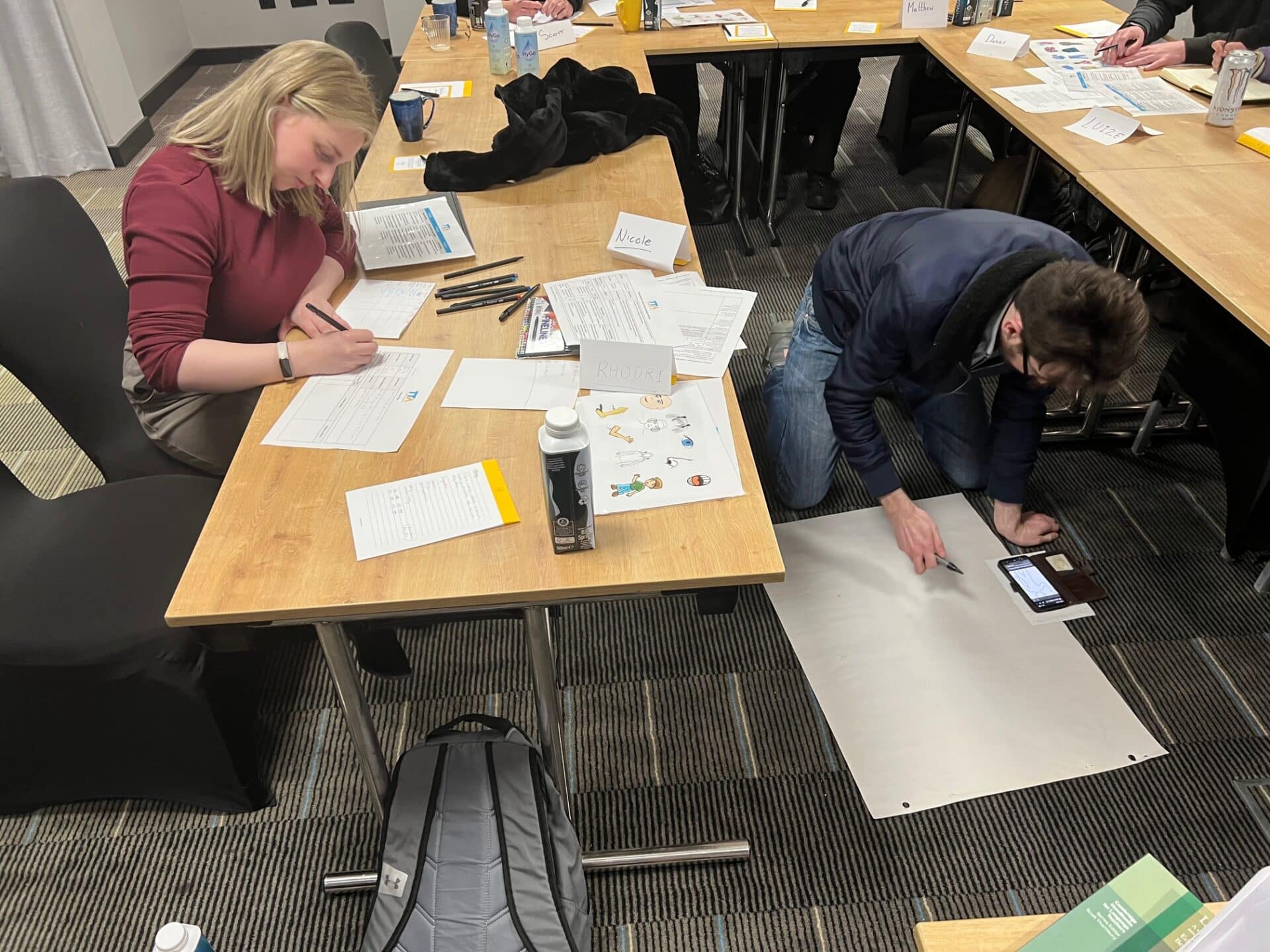
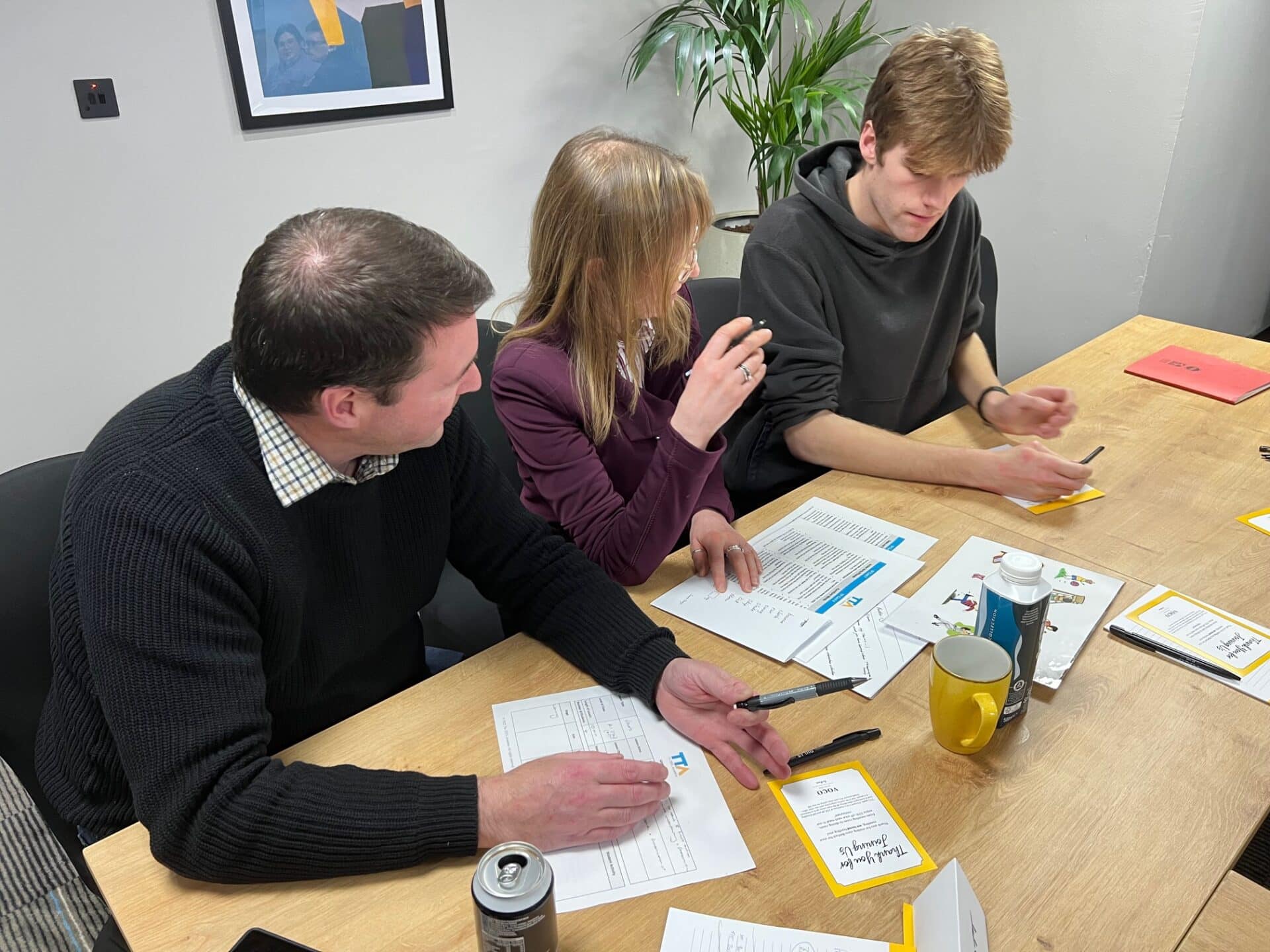
4. Rushing the course
If you are working or already a student, finding time to balance these responsibilities with your TEFL course can be challenging. It can be tempting to skim through the course content.
The problem is that once you reach your assignments, your gaps in knowledge will be clear. If you don’t pass your assignments or assessments, you won’t be awarded your certificate – and all your effort will be in vain.
Plus, having a superficial understanding of the content will hinder you in your future job performance, too.
Many TEFL trainees feel stuck when it comes to assignments and stressed for time, leaving them feeling that they just aren’t cut out for the world of TEFL.
The relieving news is that the primary goal of a TEFL course is to build your skills incrementally.
You’re not expected to be a TEFL teaching expert (even when you finish your course), but rather to have a good understanding of the fundamentals. This is very attainable if you regularly engage with the content, make notes, ask for support, and have a place where all your work is saved.
Read more: How Long Does A 168-Hour TEFL Course Take?
5. Not taking the grammar component seriously
“I’m a native English speaker. I obviously have a good grasp of English grammar.”
This is one of the biggest misconceptions TEFL students have. Students sometimes gloss over the grammar sections of the course. They feel that because they speak English every day, it’s easy to explain how to use it.
Just because you speak English doesn’t mean you can teach it!
Read more: Common TEFL Myths Busted
6. Failing to build a resource library
Something I wish someone had told me before doing my TEFL course, is to create a resource library.
Saving assignments, collecting online tools, activities, ideas, and worksheets as you progress through the course will prove useful when you start teaching.
When you start teaching, having go-to resources will help make the transition into the classroom much easier. Scrambling to find materials can lead to anxiety and stress. Having a resource library allows you to focus on what matters most in those first few days, weeks, and months of teaching: teaching the right content to the best of your ability.
Also, don’t forget to continuously add to your resource library!
Mistakes made after your TEFL course
7. Underestimating the learning curve
Once you have completed your TEFL course, you can expect to face quite a learning curve! In the first few weeks, and sometimes months, teaching in a classroom or online can take some getting used to.
For many new TEFL teachers, too much time can be spent lesson planning only for their lessons not to go according to that plan! Random things can pop up that throw your plans off, such as your activities not being of interest to students, something goes wrong with the projector, or students work faster through the content than you expected.
The struggle is real, but it is common, and you are not alone.
It takes time to find the flow of things, just as it would in any new job. The best way to prepare yourself for this transition period is to have realistic expectations and ride the wave. It does get better, and in a month or two, you can expect to feel settled and on top of your game.
8. Forgetting Continuing Professional Development
The world of TEFL teaching is filled with opportunity. There are so many different niches within TEFL to explore.
Read more: From Classroom To Business: The Teacherpreneur Movement
Continuing professional development is key to being an effective teacher and accessing better job prospects.
Continuing professional development can look like:
- Niche specialisation: Taking up top-up classes on teaching Business English or Young Learners.
- Networking and support: Participating in teacher communities.
- Skills development: Attending skills workshops, webinars and talks.
- Staying in the loop: Reading blogs and forum posts for new ideas and trends.
By continuously developing yourself, you enhance your skillset, which makes you a stronger teacher.
Read more: What Is CPD And Why Is It Important?

Essential advice for future TEFL students
If you have just started your search for a TEFL course, do your research before enrolling. Make sure the TEFL course you sign up for is worth your time and your money.
Prioritise choosing a quality TEFL course over a convenient one that is cheaper or faster to complete. Quality means the course is internationally recognised, the content is well-rounded, there is tutor support, and support with finding TEFL jobs online and abroad.
Set up a study schedule that is realistic for you. Aim to get some studying in every week, to avoid cramming. It will save you the stress of rushing when it comes to completing your assignments.
Build a resource library from the get-go. Make notes, save lesson plans, articles, activities, and online tools from the course. Creating a resource library will save you prep time in the future, when you begin teaching.
Network with other TEFL students and teachers. Join TEFL Facebook groups and stay active on TEFL forums to gain insights into your desired TEFL path. There is so much advice and things to learn from TEFL teachers already in the job you want.
I hope this guide has given you the assurance you need to begin your TEFL journey. A world of opportunity awaits you!
Author Bio

Accreditation & Quality Assurance
The TEFL Academy was the world’s first TEFL course provider to receive official recognition from government regulated awarding bodies in both the USA and UK. This means when you graduate you’ll hold a globally recognised Level 3 (120hr) Certificate or Level 5 (168hr) Diploma, meaning you can find work anywhere and apply for jobs immediately.