United States
US






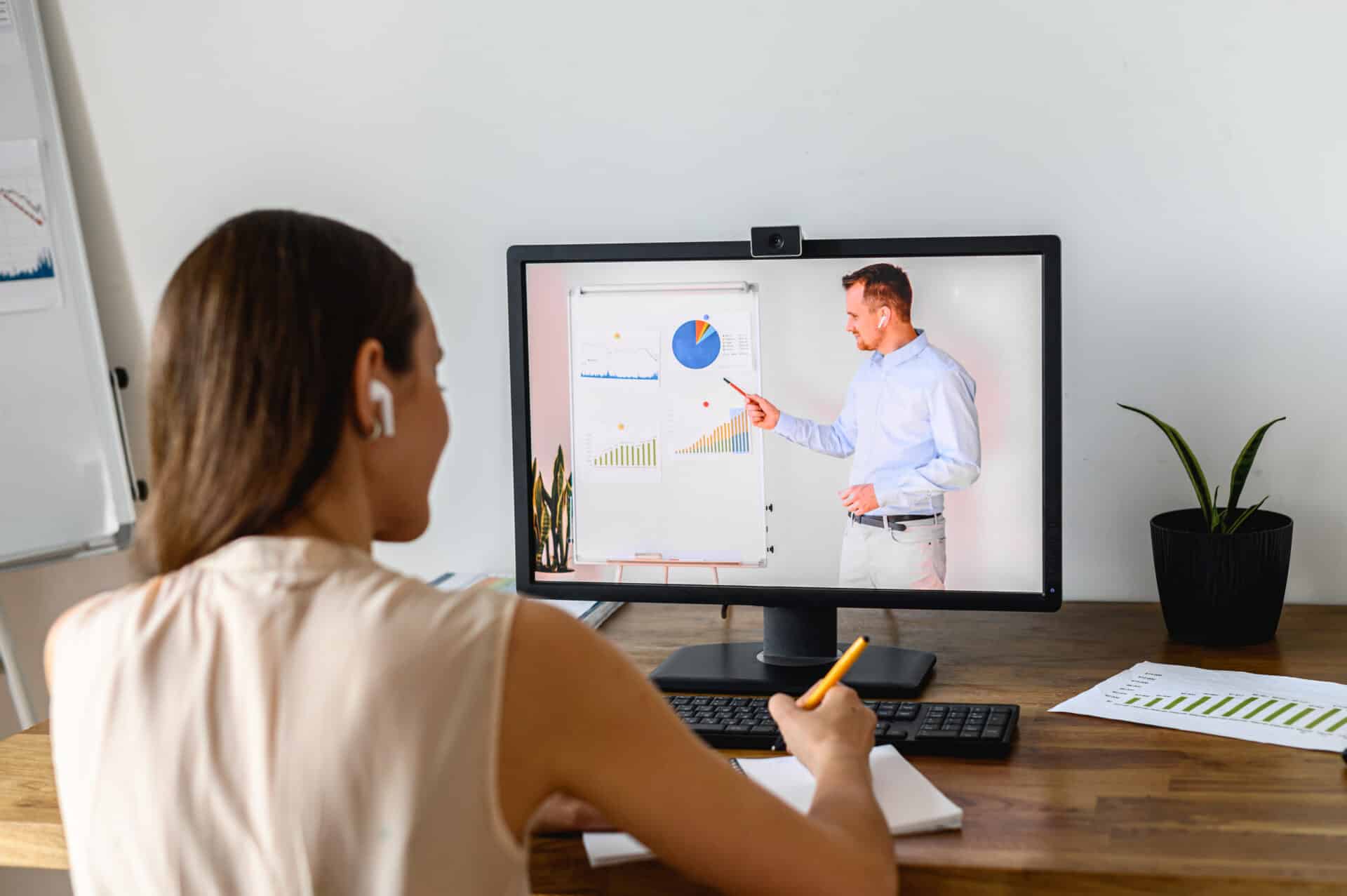
Innovative Teaching Trends: Why Flipped Classrooms are Thriving
Join a global community of over 200,000 TEFL teachers working throughout the world! Enrol me!


Last Updated
November 10, 2026TL;DR A flipped classroom in English as a Foreign Language (EFL) is an inverted instructional model where students learn core content (such as grammar rules, vocabulary, or video lectures) at home, while face-to-face class time is dedicated to active language practice, speaking, problem-solving, and communication
There are many different ideas behind the various teaching methods that are used in EFL classrooms; each of them have their own pros and cons. You’re probably familiar with the PPP method of lesson planning, the use of Cuisenaire rods and even Dogme – all various techniques and methods that have become popular over the years.
A new idea that emerged in the 1980s and is seeing a resurgence in popularity is that of flipped classrooms and flipped learning.
What is a flipped classroom?
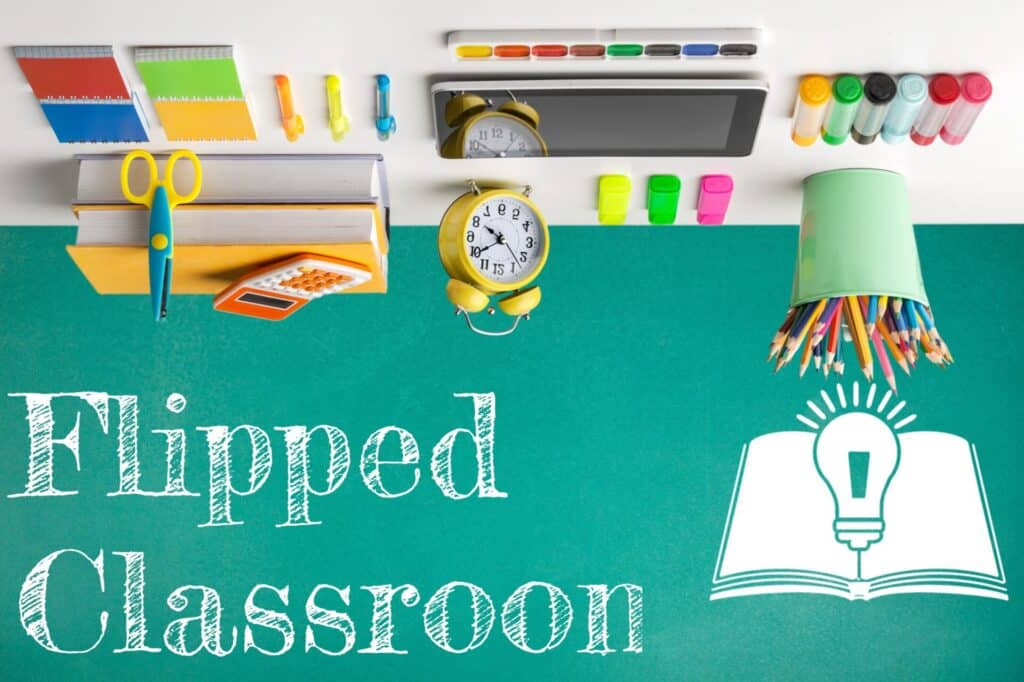
A flipped classroom is also known as an inverted classroom.
A flipped classroom is basically one where the student does a lot of the work at home. Class time is spent asking questions for clarification and discussion.
In other words, it reverses what we would usually consider to be the classroom format: watching lectures or videos, reading texts or doing research at home, and doing activities or exercises during class time.
The content of the lessons is learnt at home by the student and the lessons are used to consolidate, clarify and demonstrate their new knowledge.
Flipping classrooms initially began in mainstream schools, but it can be easily adapted to the EFL classroom.
How?
- Let students read or listen to texts at home, and use those texts as sources of discussion in class.
- Let your students read grammar reference materials for homework, then spend time doing practice activities in class.
What are the benefits of a flipped classroom?
Students can tackle material at home in their own time.
These days, technology is a close friend of education. Online learning is a way we can transform our classrooms into flipped classrooms to increase the flexibility of the learning process.
Students can learn at their own pace.
Teachers don’t have to deal with students who read or work at different speeds. This helps alleviate some of the issues with having students of different levels in the same class.
It makes the classroom more student-centred.
It allows the students to tackle the material how they want, without dictating how much time or how they should focus on the material. This is a student-centred approach which requires active learning.
The teacher can help with real issues and difficulties.
If students come across difficulties at home, they’ll come to class with questions and the teacher can deal with those immediately. More time can be spent on clarification and consolidation.
Students can do research in preparation for a classroom activity.
Time in the lesson can be spent more fruitfully talking with other students or working with the teacher to solve a problem or discuss a topic.
All in all, while some teachers may feel this approach has more difficulties than benefits, there are a number of advantages to this method and it’s worth a try.
Does a flipped classroom improve learning?
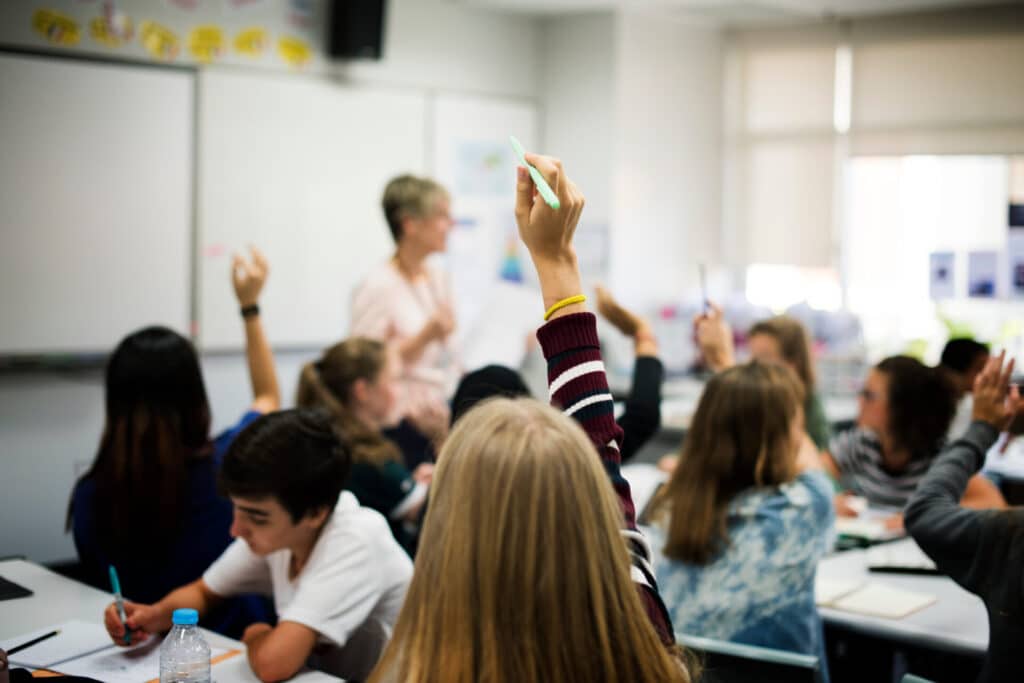
Flipped classrooms have proven to increase student satisfaction with the learning environment.
This method of learning and teaching promotes independent thinking, increases co-operation and fosters engagement.
In fact, research¹ shows that flipped classrooms improve language skills, increase motivation and reduce anxiety.
How does a flipped classroom help with struggling students?
It can help with struggling students by personalising the learning experience. Learning at your own pace benefits both high-performing students and those who need more help. It gives teachers the opportunity to focus on the specific needs of the individual students.
What are the problems with a flipped classroom?
Flipped classrooms have a few drawbacks – but mostly for the teacher.
Teachers need to be very well prepared to execute successful flipped lessons. They need to prepare in-class activities as well as create or curate related online materials. Teachers need to be comfortable with technology to utilise it effectively. Flipped classrooms initially require more work from the teacher, but this should improve with time and experience.
Flipped classroom examples
As with any teaching method, it’s perfectly fine to take your time to incorporate the method fully when you are more comfortable with it. Start by introducing a few key ideas. Here are three ways you can implement the basic tenets of flipping the classroom without drastically changing your teaching style.
Peer teaching
This works well as part of a revision session. Allocate a grammar section to each student to study for homework. They must be able to come to the next lesson and teach the grammar point to their classmates however they want to – be it through activities, explanations or games. This will ensure the grammar focus of the lesson takes place at home but the grammar practice takes place in the classroom, when the teacher is on hand to answer questions or provide clarity.
Reading or watching videos
If time in class is short, it’s best not to waste time doing a reading or watching a video. There’s no reason why this can’t be done at home (if possible). If you are going to deal with a reading or audio-visual text, let the students do it for homework. Class time can then be spent discussing the text and dealing with any questions they may have had.
In-class homework
Considering that flipping the classroom usually involves students doing the grammar focus at home, there is no reason why they shouldn’t be doing homework in the classroom. However, this doesn’t mean that they should sit silently for half an hour doing grammar exercises. Instead, homework can be done as a collaborative task with their classmates. Essentially, there shouldn’t be a need to correct the work when it is done because the students would be asking questions as they work.
Flipping the classroom can be a great way to turn the EFL classroom on its head. This is why it can be good to try it out once in a while, so your students can approach language learning in a different way. They will appreciate the change of pace and the change in instruction and this will ignite a renewed interest in the learning process. What’s more, it will save you valuable classroom time which can be used more effectively.
¹Pongpanich, W., Chomthong, W., Choeykhunthot, A., Tammati, K., Rangkharat, P., & Jantakoon, T. (2025). Exploring Flipped Classrooms in EFL Teaching: A Comprehensive Systematic Review. Higher Education Studies, 15(2), 23–36. https://doi.org/10.5539/hes.v15n2p23 [accessed 10 November 2026]
Author Bio

Accreditation & Quality Assurance
The TEFL Academy was the world’s first TEFL course provider to receive official recognition from government regulated awarding bodies in both the USA and UK. This means when you graduate you’ll hold a globally recognised Level 3 (120hr) Certificate or Level 5 (168hr) Diploma, meaning you can find work anywhere and apply for jobs immediately.