 United States
US
United States
US





Fun And Surprising Facts About South Korea (That Go Beyond K-Pop)
Join a global community of over 200,000 TEFL teachers working throughout the world! Enrol me!



Last Updated
July 7, 2026South Korea. The home of K-pop, K-dramas, and kimchi.
But there’s far more to this beautiful country than what we see on TV or online.
Since becoming a top destination for TEFL teachers, digital nomads, and travellers from around the world, there’s never been a better time to learn more about South Korea.
And we’re here to help you do just that!
We’ll give you a closer look at South Korea’s cultural traditions, daily life, food, and everything in between.
By the end, you’ll know exactly why South Korea is such a hotspot and who knows, it might just be the next destination on your bucket list!
Read more: Is South Korea Safe?
Fast facts about South Korea
- South Korea, officially known as the Republic of Korea, is home to approximately 51 million people, with over 9 million living in Seoul, the country’s capital.
- The official language is Korean, but English and Chinese are also widely spoken, especially in the business, tourism, and education sectors.
- Despite years of conflict, South Korea has managed to rebuild itself over the last few decades and emerge as a leading power in the tech sector and the entertainment industry.

South Korea’s culture & society: Surprising facts
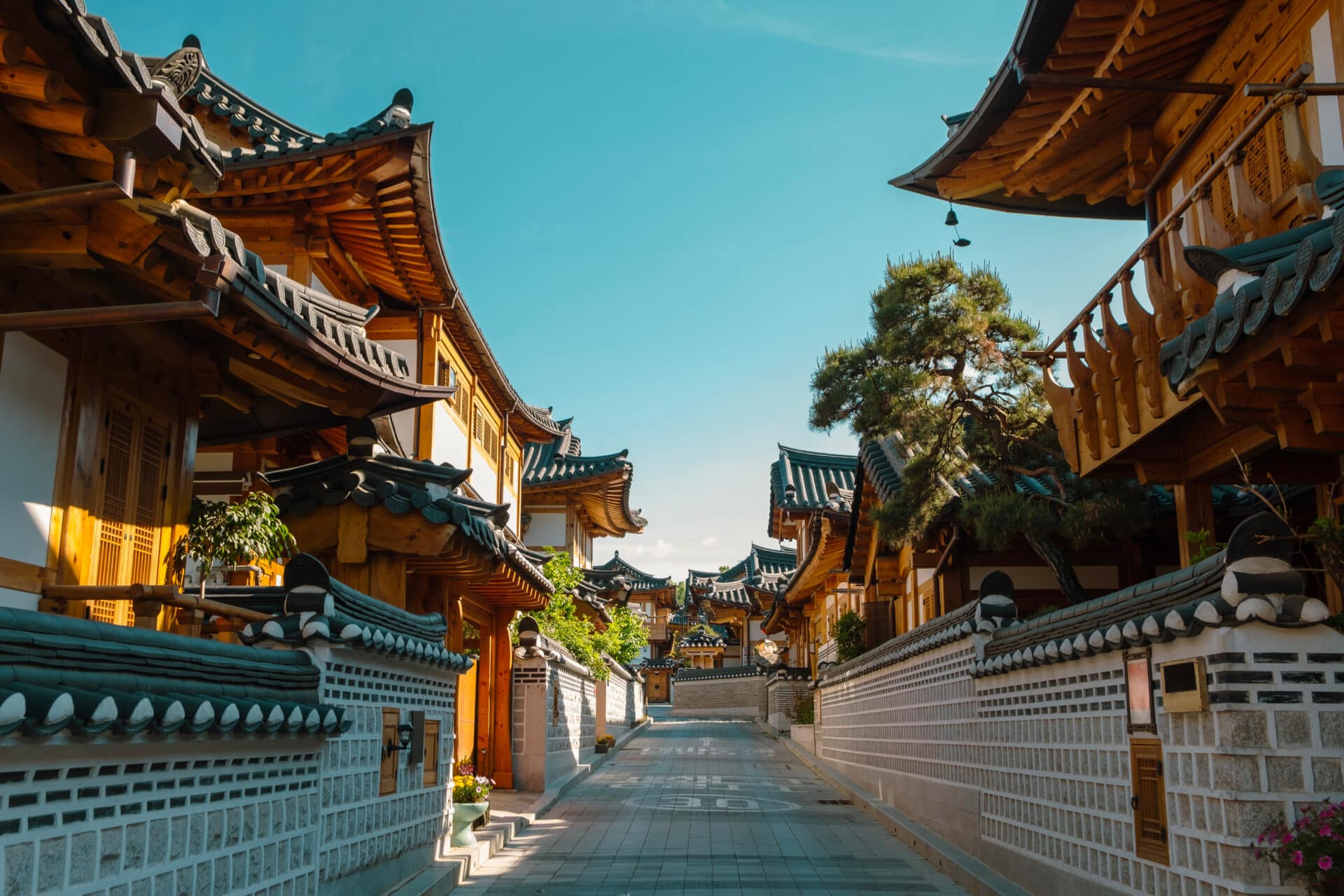
- Korean society is hierarchical, with age, marital status, and seniority playing an important role in everyday interactions.
For example, the elderly have a higher social standing. So, it’s common to offer them your seat, let them be served first, and address them politely, even if you don’t know them personally.
This level of respect comes from Confucian traditions, which are the foundation of Korean culture. It has a major influence on every part of life in Korea, especially in the way people interact with each other in the workplace, classroom, and at home.
- You’re considered a year older in Korea.
Until recently, South Koreans were technically one or two years older than the rest of the world because babies were considered one year old at birth. However, in June 2023, the government officially switched to the international age system for all judicial and administrative matters.
- Korean culture also values the art of nunchi, which is the ability to “read the room”.
Nunchi involves recognising and understanding subtle social cues to determine what people might be thinking or feeling at any given moment.
This skill is highly appreciated in South Korea as it allows you to sense other people’s expectations and anticipate their moods, making it easier to navigate social settings and build relationships.
Read more: Things To Know About South Korean Classroom Culture
Fascinating food facts about South Korea
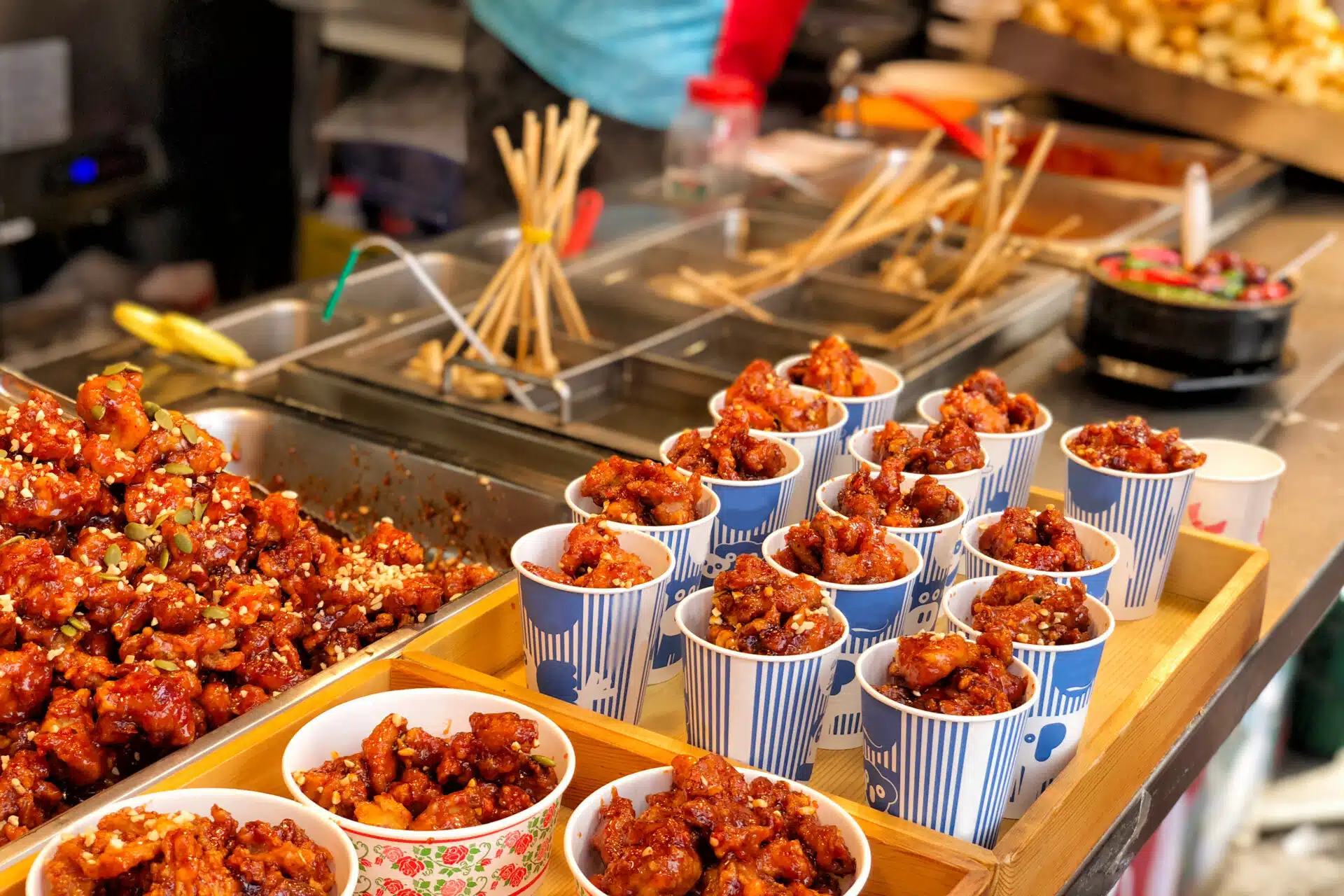
Korean cuisine is widely known for being incredibly flavourful (and often spicy).
Interestingly, chilli peppers are a relatively new addition.
Portuguese traders brought the chilli pepper to South Korea in the 16th century. Since then, it has become an essential ingredient in local dishes and traditional folk medicine.
- In Korean culture, food is more than nourishment. It is an opportunity to connect with others and build a sense of community.
A prime example of this is the tradition of banchan, where a variety of small side dishes are placed in the centre of the table for everyone to share, instead of serving individual portions.
These dishes can include a wide variety of foods, from vegetables to meat to seafood. Of course, a staple among them is kimchi, a traditional Korean side dish made from salted and fermented vegetables.
Another popular mealtime tradition is the Korean barbecue, where diners cook meats together at the table. Rather than simply eating, everyone is actively involved in preparing and sharing the meal.
So, whether you’re sharing banchan or grilling meat together, always remember that mealtime in South Korea is as much about community as it is about food.
Tech & innovation facts
South Korea is one of the most technologically advanced countries in the world, which should come as no surprise. Both Samsung and LG started in South Korea, and they produce everything from smartphones and TVs to home appliances.
South Korea has incredibly fast internet speeds and high-tech infrastructure, so technology is an essential part of daily life, from cashless payments to smart homes.
- While life in South Korea feels futuristic already, the government is still investing in the technological sector. Their aim is to advance areas like robotics, artificial intelligence, biotechnology, and education, so that they can remain a leader in innovation.
After all, one of their main exports is electronics, so they need to ensure that their workforce is still able to meet the global demand for new technology.
- South Korea is home to Songdo, the world’s first purpose-built “Smart City.”
Located near Incheon, it was designed with sensors to monitor everything from energy use to traffic flow.
Read more: Essential Apps For Teachers In South Korea
Language & communication facts
- Korean culture has many superstitions.
For example, it’s bad luck to write someone’s name in red ink.
But there’s another superstition that many visitors notice when they arrive in South Korea.
Western cultures typically associate the number thirteen with bad luck, but the number four is widely avoided in South Korea. This is because its pronunciation sounds very similar to the word for death in the Korean language.
So, to prevent attracting misfortune, the number four is often skipped in buildings or replaced with the letter “F” in elevators and floor numbers.
Most East Asian countries share this superstition because their languages were influenced by Chinese, including Korean.
- Blood types are the new star signs.
Don’t be surprised if someone asks for your blood type on a first date! In South Korea, many believe blood types determine your personality. For example, Type A’s are seen as shy and perfectionists, while Type B’s are considered passionate but unpredictable. It’s so popular that there are even songs and movies based on the “romance compatibility” of different blood types.
- Interestingly, the Korean writing system is still relatively modern.
Previously, traditional Chinese characters were used in official documents and literature, meaning that only those with an extensive education were able to read them.
It was only in 1443 that Hangul, the Korean alphabet, was introduced to increase literacy and to make these texts more easily accessible to everyone.
Even today, Hangul is considered one of the easiest writing systems to learn.
Historical facts that shape modern Korea
North and South Korea used to form a single country, but tensions started to rise between the two regions towards the end of World War II.
These political differences eventually caused the outbreak of the Korean War in 1950.
- When the war ended in 1953, the country was permanently divided into the North and South Korea we know today.
Despite the destruction caused by conflict, South Korea experienced rapid economic growth in the years that followed.
This period of transformation became known as the ‘Miracle on the Han River’ and led to South Korea becoming a fully developed nation.


Everyday life in South Korea: Quirky & fun facts
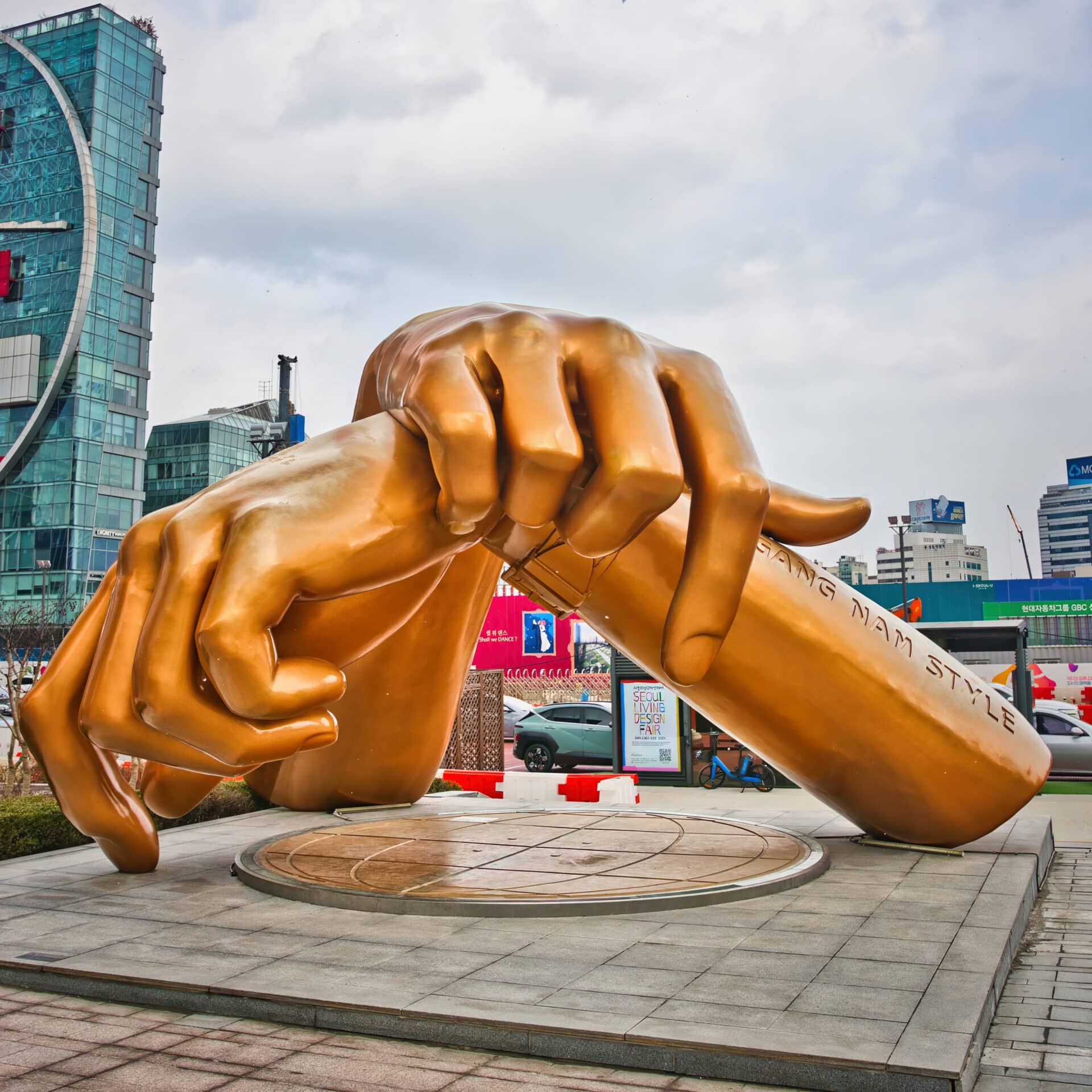
- One of the most noticeable features in South Korea is the abundance of 24-hour convenience stores.
These small shops are a place to buy snacks, ready-made meals, toiletries, and essential tech accessories at any time of the day. But for many, these stores are also a place to relax, study, or grab a quick meal.
- South Korea’s delivery culture (called baedal) is next-level.
You can order almost anything, from McDonald’s to a full sashimi platter, and have it delivered to a specific picnic blanket at a park or a bench by the Han River. Because the GPS infrastructure is so precise, delivery drivers will find you in the middle of a crowd, and they’ll often come back later to pick up the empty reusable dishes!
- Another unique aspect of Korean culture is themed cafés.
There are cafés dedicated to animals, cartoons, books, or even specific aesthetics, so every coffee break is an opportunity to try something new.
- Since they’re at the forefront of everything tech-related, it’s no surprise that social media trends play a big role in daily life in South Korea.
So, it’s normal to see friends or couples wearing matching outfits, using photobooths, or participating in viral trends in public.
Nature & geography facts
- South Korea has a diverse natural landscape, too.
South Korea is a hiker’s paradise, since there’s an abundance of scenic mountain trails, national parks, and coastal views on offer.
With so many activities outdoors, you’re probably wondering when the best time to visit South Korea is.
The best answer is year-round, as each season offers a completely different experience.
For example, you could:
- See the cherry blossoms bloom at the Yeouido Spring Flower Festival in spring.
- Relax on Gwangalli beach in summer.
- Hike Hallasan (South Korea’s tallest mountain) in autumn.
- Go skiing or to Gwanghwamun Square Market in winter.
How are you meant to choose only one?!
Pop culture & entertainment facts
K-pop has gained massive popularity in recent years, with groups like BTS and Blackpink dominating the charts around the world.
- But Korean pop culture is more than just music.
Korean television and film have also received global recognition recently thanks to Squid Game.
The series became a worldwide phenomenon after its release on Netflix and, to date, it’s one of the platform’s most-watched titles of all time.
Another major part of South Korea’s pop culture is Korean beauty products, commonly referred to as K-beauty.
Unlike other makeup products, which aim to hide flaws, K-beauty focuses on skincare and highlighting more natural beauty.
This approach has been widely embraced by younger generations around the world, and it now shapes many of the beauty trends we currently see.
So, whether it’s on stage, screen, or in the beauty industry, South Korea is setting trends and breaking records. And to be honest, we’re here for it!
- Plastic surgery is a common graduation gift
South Korea is often called the “Plastic Surgery Capital of the World,” but it’s not just for celebrities. It is so culturally normalised that many high school students receive double eyelid surgery or other cosmetic procedures as a graduation gift from their parents to help them feel more confident as they enter university or the workforce.
Practical facts for teachers & travellers
It’s clear that South Korea is an amazing place to visit. So, if you’re ready to set off, here’s some practical information to help you make the most of your time.
Getting around South Korea is pretty simple.
They have a reliable public transport system that you can access from anywhere, whether you’re in a major city or a remote area. There’s always a bus, subway, or high-speed train that you can catch to reach your next destination.
For those teaching English or travelling long-term, knowing a few basic Korean phrases can help you in a pinch.
Start by learning how to ask for directions, order food, and greet locals. These can go a long way in helping you navigate life in South Korea.
Read more: What It’s Like Teaching English In South Korea Without Speaking Korean
Embracing local customs is another great way to immerse yourself in Korean culture. Also, always remember that respect is highly valued, so it’s essential that you use polite language and show consideration for elders at all times.
Don’t forget the importance of smaller gestures, like removing your shoes indoors or offering items with both hands. Small acts like these can help you leave a positive impression and form good relationships with the locals.
With these tips in mind, you’ll be well on your way to having an unforgettable experience in South Korea!
💰 Did You Know? South Korean TEFL Jobs Often Include Free Housing!
With rent covered, a low cost of living, and tax-free bonus options, teaching English in South Korea is the ultimate way to travel and save money. All you need is a TEFL certificate.
Find the best TEFL course for you & get started!
Author Bio

Accreditation & Quality Assurance
The TEFL Academy was the world’s first TEFL course provider to receive official recognition from government regulated awarding bodies in both the USA and UK. This means when you graduate you’ll hold a globally recognised Level 3 (120hr) Certificate or Level 5 (168hr) Diploma, meaning you can find work anywhere and apply for jobs immediately.