China’s hectic work culture is legendary. The locals do clock some serious hours. So it’s natural for TEFL teachers heading over to wonder what that means for them.
But don’t let fears around overwork and burnout put you off. Many TEFL teachers come out the other side grateful for the experience and full of amazing stories (and photos) to prove it.
TTA alumna Inge experienced life in Shanghai, a fast-paced Tier 1 city. Who better to share the real story about teacher stress in China than someone who’s been there and done it?
Read more: Life In A Tier 1 City In China

TEFL teaching in China can be one of the most exciting and rewarding experiences, but it’s not without its challenges.
In my case, the first few days were the hardest. I didn’t know anyone, didn’t speak the language, and felt deeply separated from my life back home. But over time, things got easier.
What felt overwhelming at first slowly became manageable and even routine.
Here’s my honest, practical advice to help others cope with common stressors I faced while teaching in Shanghai.
Initial stress levels for TEFL teachers in China
The first few days can be extremely stressful.
Not knowing what to expect, being completely alone in a new environment, and feeling homesick make the experience intense.
Personally, I missed my family and friends and worried about settling into such a different culture.
Read more: How To Deal With Culture Shock
However, you quickly realise that you’re not alone.
Every foreign teacher you meet is or has been in the same boat at some point. People were incredibly kind and welcoming, and that support helped me find my footing.
There were also times when the job itself added pressure.
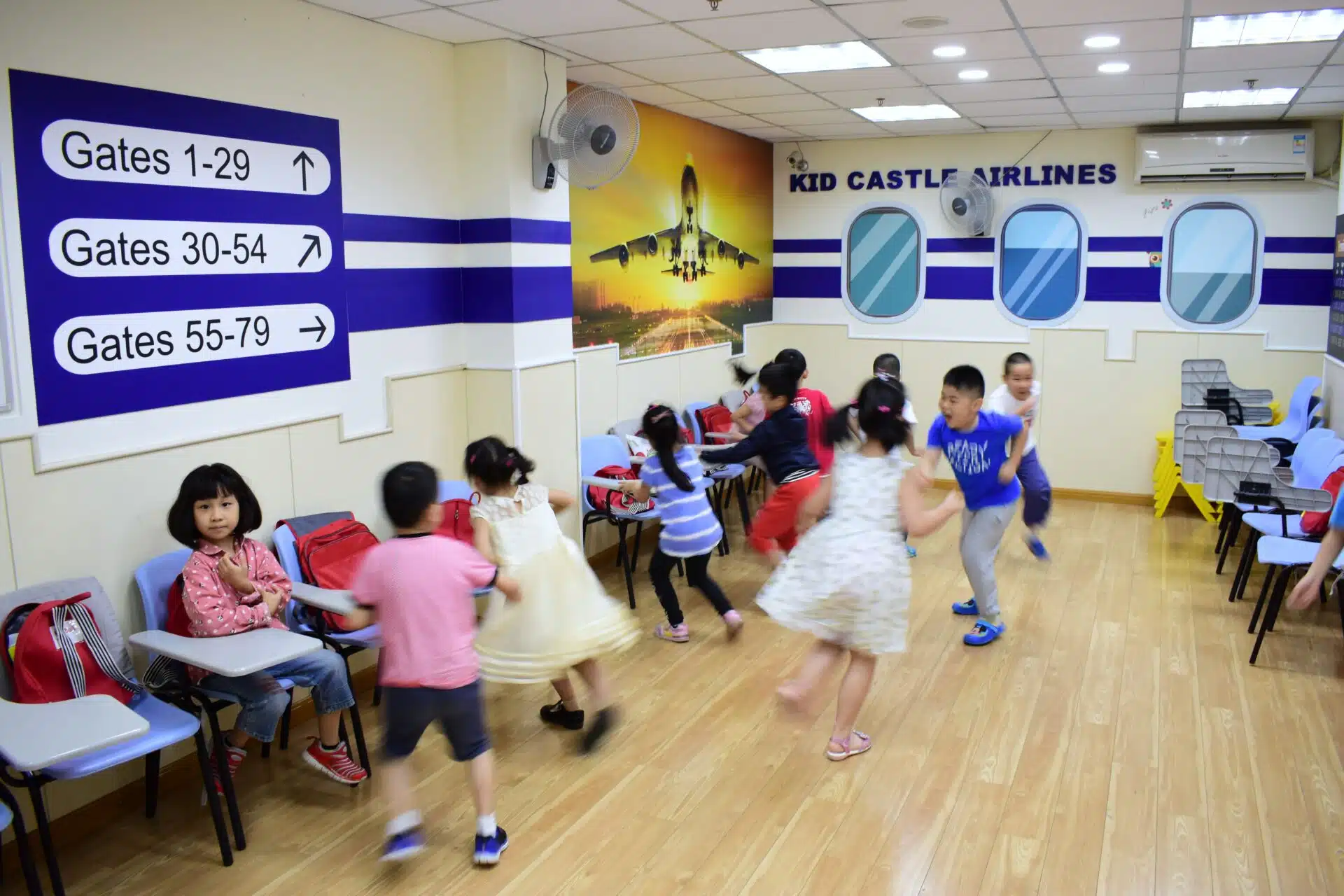
We had open days twice a year where parents could sit in and watch classes.
We also had regular evaluations, where a supervisor or colleague would observe teachers and give feedback. These moments could feel a little nerve-wracking, but, in reality, they were constructive. The focus was always on growth and quality, not catching you out in a mistake.
Common stressors TEFL teachers experience in China
Because I had done so much research beforehand, nothing came as a complete shock. But that doesn’t mean everything was easy.
I underestimated how hard homesickness would hit. Missing out on birthdays, milestones, or just everyday chats with loved ones back home was more emotional than I expected.
The pollution in Shanghai also caused health issues for me, which added to my stress.
Of course, I knew about the language barrier before going, but living through it was different. That said, translator apps were a lifesaver, and if you’re open to learning a few useful phrases, you adapt surprisingly fast.
Read more: How To Learn The Local Language
Cultural stress and adaptation
One of the most stressful moments I had happened on my very first night. The school had arranged a hotel, but the manager claimed not to have my booking. We struggled to understand each other, and I could tell he was getting frustrated with the back-and-forth through the translator app.
Eventually, he refused to let me check in, even when I offered to pay again. I had arrived late at night and ended up sitting outside on the steps until I got hold of someone from my school who could phone the hotel directly.
That moment really hit me.
It was the first time I felt truly vulnerable, and the language barrier played a big role. Thankfully, things improved quickly after that.
I occasionally misunderstood people’s tone or intentions. Locals might come across as blunt or disinterested at first, but most of the time it’s just a cultural difference in communication.
Once I stopped taking it personally, interactions became easier and even enjoyable.
Read more: How To Get Over The Language Barrier Without Learning The Language
Daily workload: What TEFL teachers actually do
In terms of TEFL teacher stress, the workload felt intense in the beginning. Lesson planning, adjusting to new classroom norms, and simply getting used to the daily routine could feel overwhelming. But like anything, the more you do it, the easier it becomes.
Over time, I found a rhythm and became more efficient.
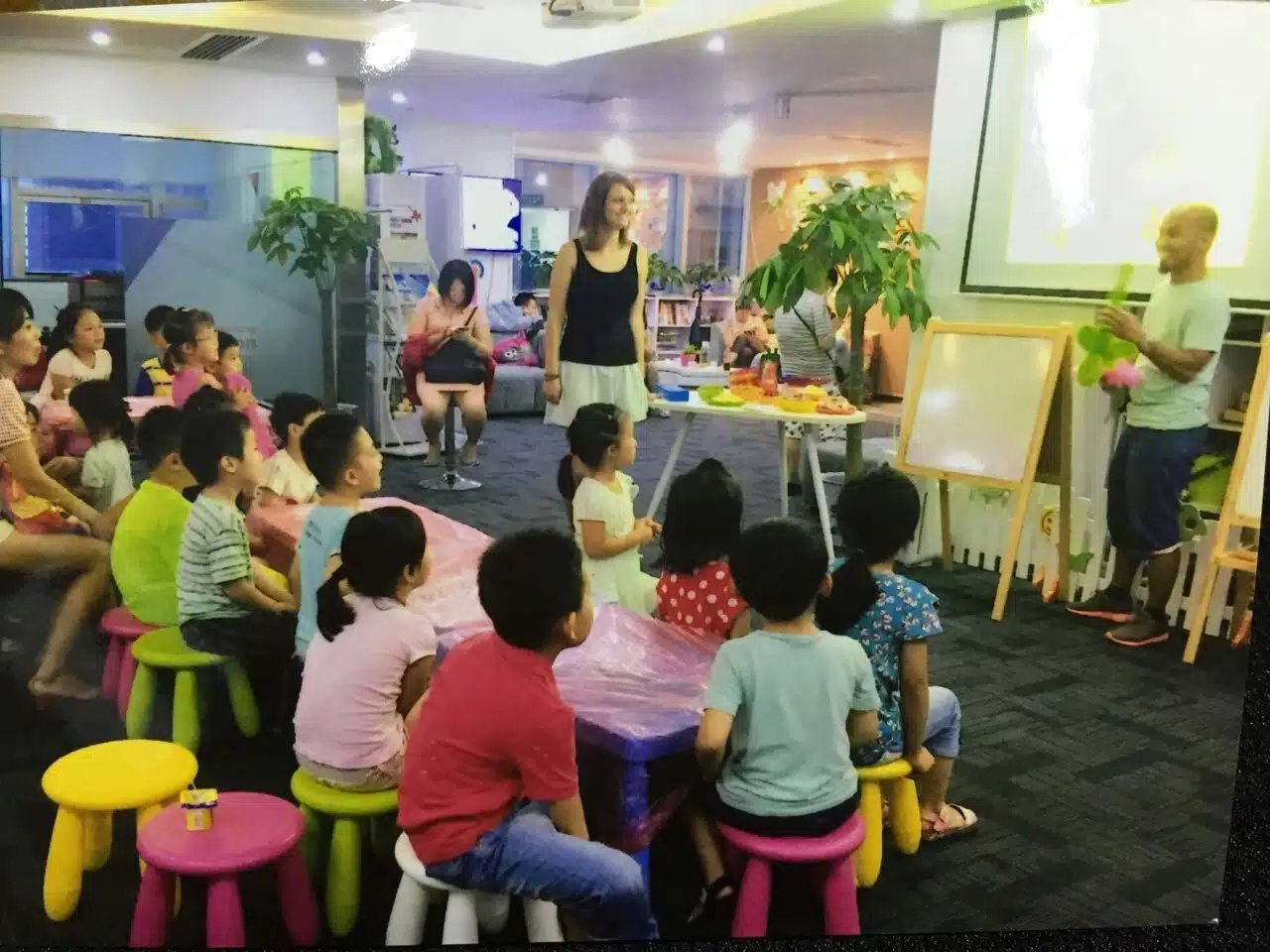
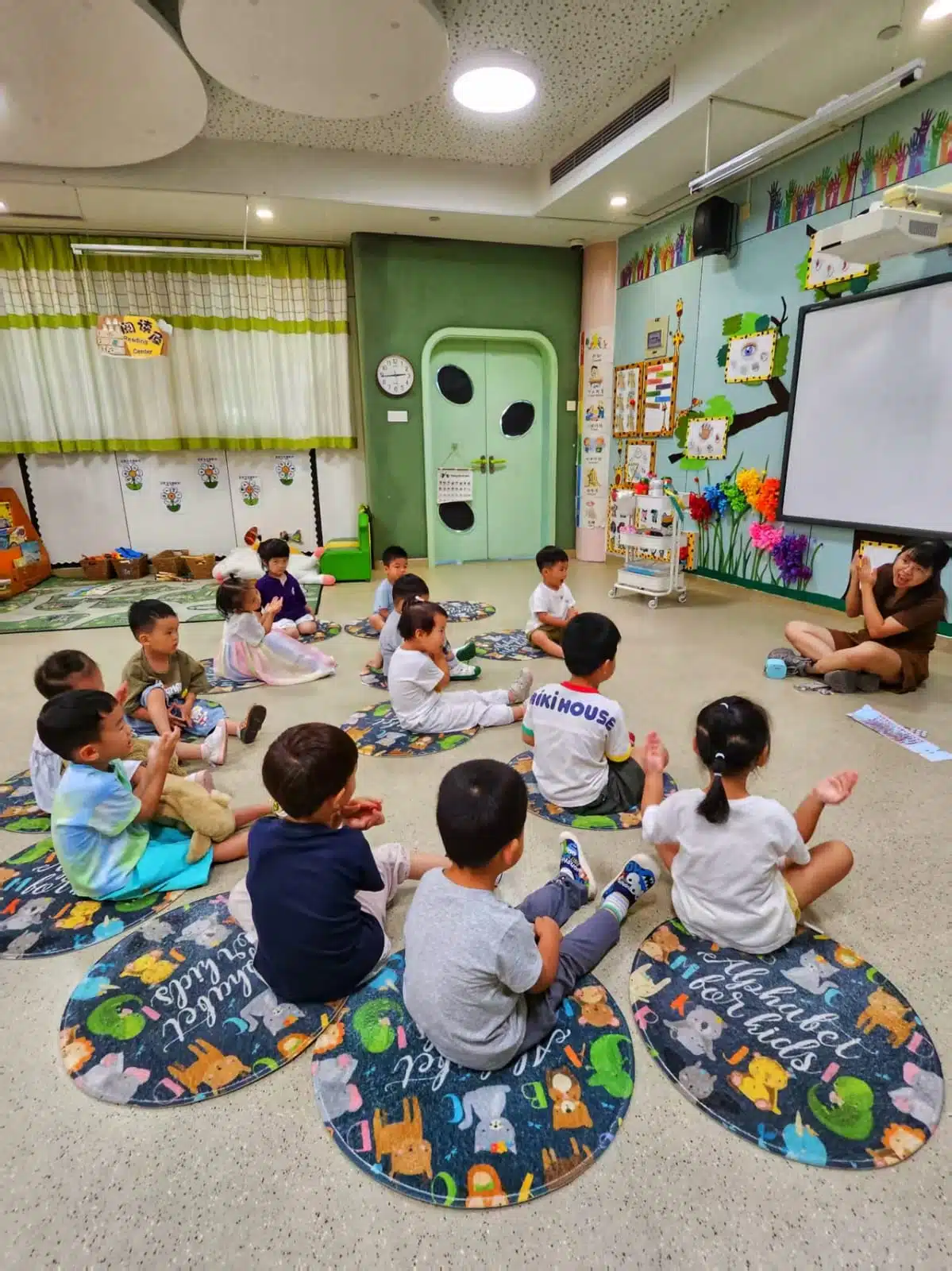
My experience at the training centre was a good starting point. There was plenty of structure, support, and training, which helped reduce some of the early pressure. We were allowed to shadow experienced teachers, which was incredibly helpful.
The bilingual school I moved to later had more flexibility in teaching style, which made some aspects less stressful, although there was less direct support.
Stress levels and your school
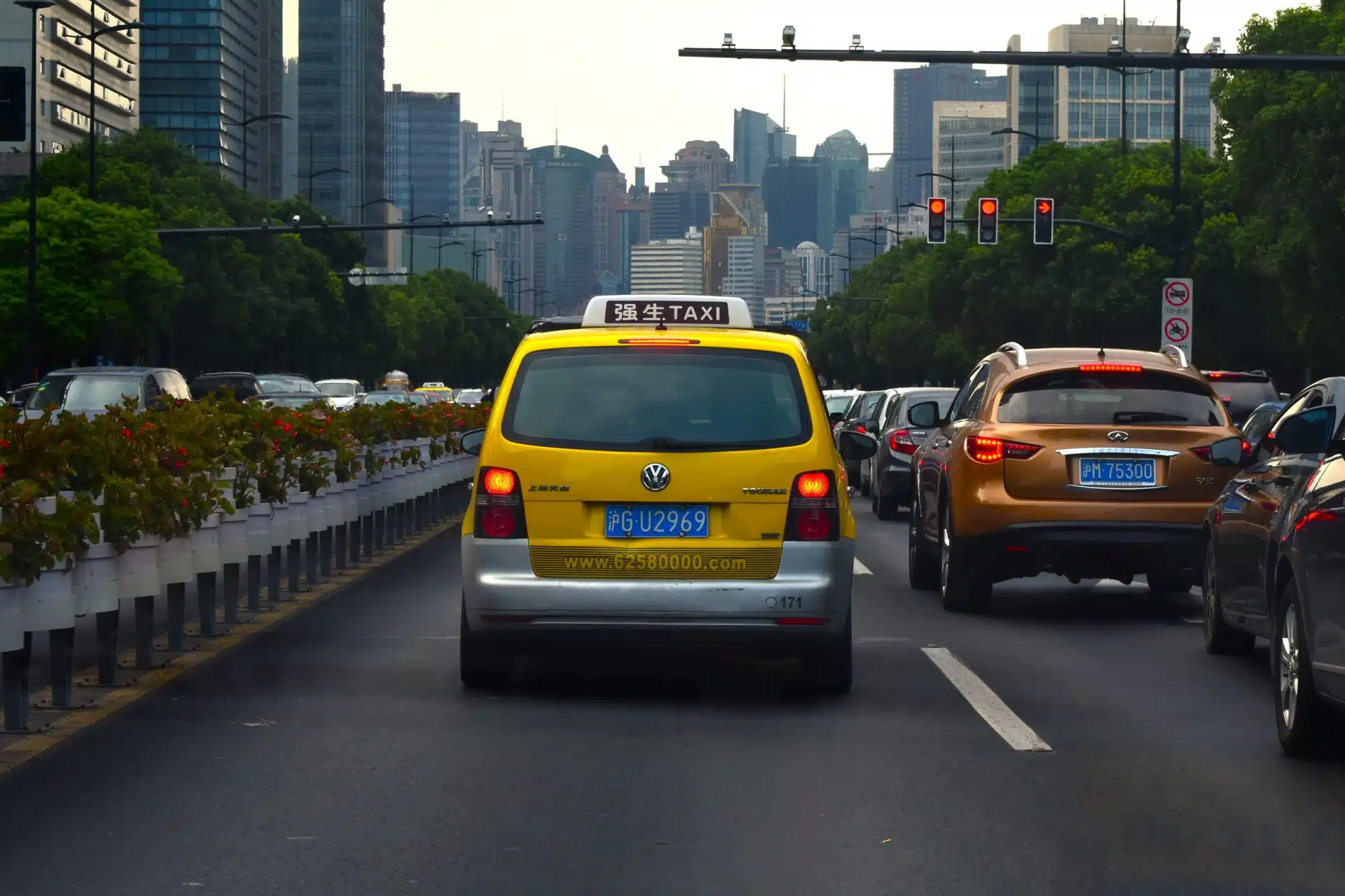
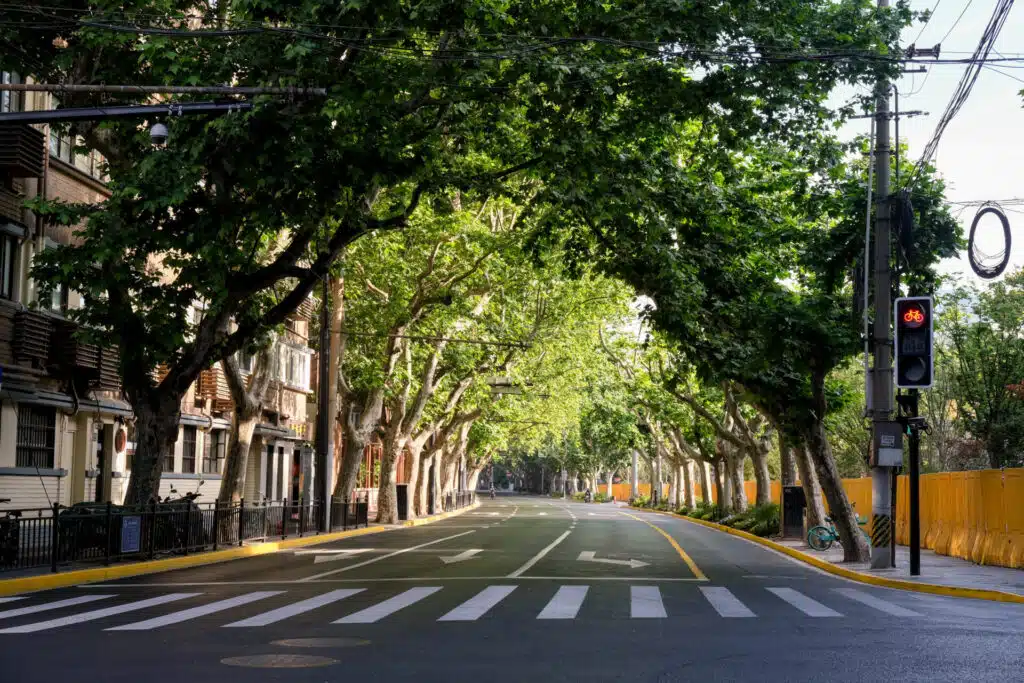
Shanghai is an incredible city, but it is big and fast-paced. At first, just navigating it was overwhelming.
I remember almost having a panic attack the first time I rented a bike and found myself in the middle of a sea of cars, mopeds, and cyclists. But over time, I got used to the chaos.
The metro system is efficient, and once you learn to use the app and follow the signs, it becomes second nature.
At work, there was a strong emphasis on hard work and performance. Workplace culture is different from what I was used to back home, but once I accepted that I was a guest in another culture, it became easier to adjust.
My training centre had a dedicated mentor and supervisor, which helped a lot in the beginning. I always had someone to ask questions or check in with. That kind of support made a big difference during those first few months.
However, once you settle in, expectations increase. Like most workplaces in China, there is a high standard, and people are not pampered. The focus is on doing the job well, and you are expected to keep up.
Read more: Three Cultural Considerations For TEFL Teachers
How to manage stress when teaching in China
One of the best things I did was to push myself to engage with challenges instead of avoiding them. It might sound counter-intuitive, but the sooner you tackle things like navigating the metro, trying to speak Chinese, or getting through your first lesson, the sooner they feel normal.
I also made time for myself.
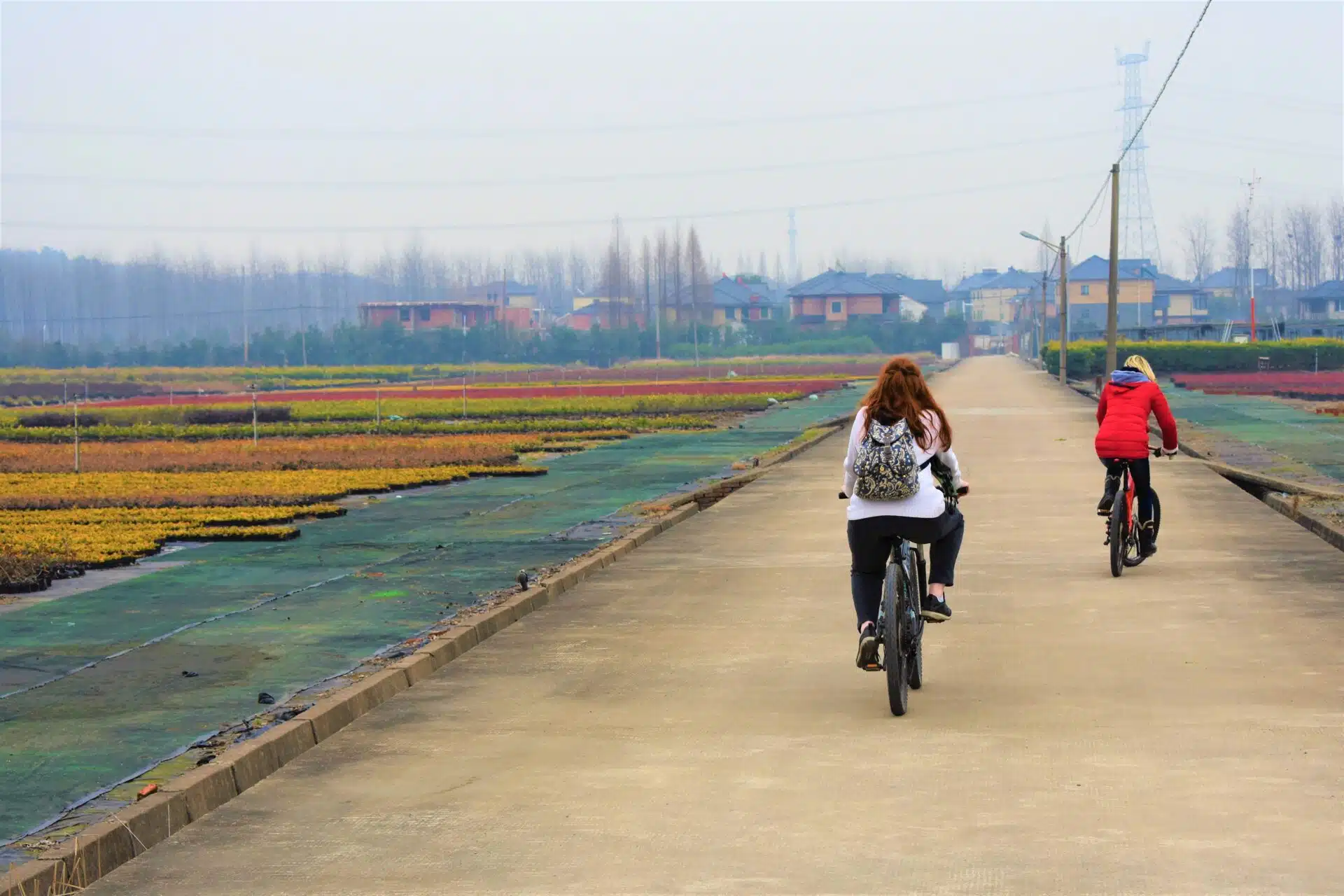
Long bike rides, meals with friends, and browsing bookstores helped me decompress. I reminded myself regularly that home was just a flight away, a thought that gave me comfort and confidence, making it easier to fully embrace the experience.
I knew that if things ever became unbearable, I could leave, and that gave me the courage to stay.
Whenever I felt the need for a breather, I also made an effort to get out of the city.
There are plenty of more peaceful, scenic destinations close to Shanghai where you can unwind and reset. Taking a short trip to somewhere quieter now and then really helped restore my sense of calm.
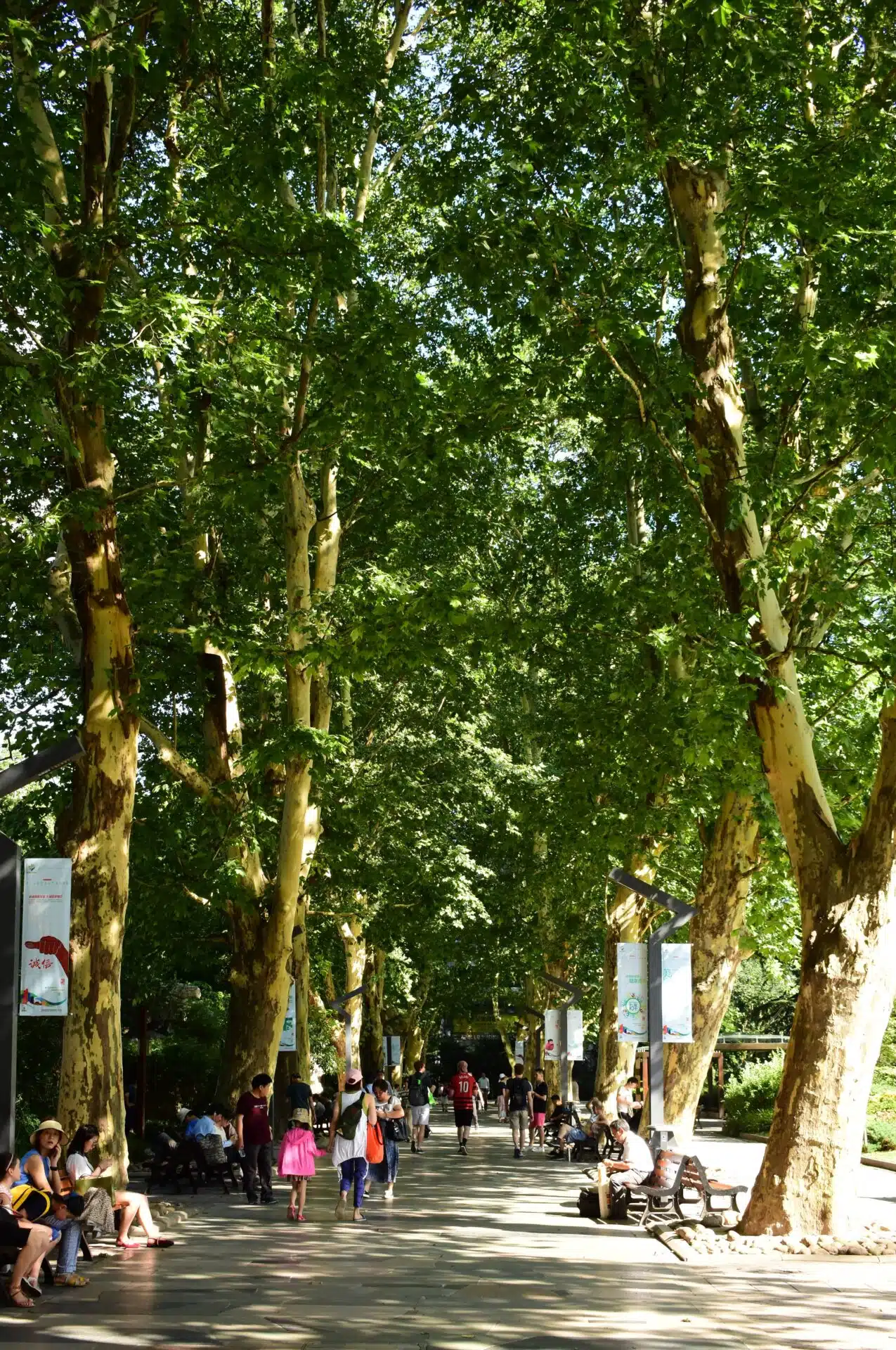
That said, there is also plenty of solace to be found in one of the many big parks around the city.
Read more: Teach English In China
Working conditions and stress in China
Especially at the bilingual school, there were times when management made promises they didn’t follow through on, such as offering health insurance or bonuses that never came.
Some teachers were earning noticeably more than others despite having the same role, and there was no real transparency. There were even stories of teachers being let go without warning, which created anxiety.
As a foreigner, you don’t have much legal recourse. That can feel unsettling. You learn to be cautious, to keep your options open, and to always read your contract carefully.
Read more: Leaving Or Ending A TEFL Contract: What You Need To Know
Tips for dealing with stress in China as a TEFL teacher
- Do your research.
- Choose your recruiter or school carefully.
- Speak to other teachers if possible.
- Look for reviews or recommendations online.
- Be open to building friendships with other foreign teachers. They often become like family and can be a huge source of support.
- Install a translation app and a VPN before you leave. Many Western services, especially Google-based ones, are blocked in China.
- Also, buy a prepaid SIM card at the airport. It will make your arrival much smoother.
- Most importantly, throw yourself in. Trying to avoid stressful situations does not work. Facing them head-on is what helps you grow, adapt, and eventually thrive.
Author Bio
Lauren is a Web Content Writer & Editor for The TEFL Academy with a background in media, film, and education, and a passion for language and learning. A University of Cape Town graduate, she holds a PGCE, is a licensed teacher, and is TEFL-qualified. She has taught English to learners of all ages and levels, both in South African and South Korean classrooms, as well as online. When she’s not writing, she’s likely deep into academic readings or enjoying a well-earned gym session.
Read
Lauren Johnstone's story →
 United States
US
United States
US










 November 18, 2025