 United States
US
United States
US







What Is The Cost Of Living In Spain? We Asked Our TEFL Teachers


 March 25, 2026


Table of Contents
- Introduction
- Salaries in Spain
- Cost of living
- Urban vs rural cost of living
- How to budget
We asked one of our TEFL teachers to tell us a bit more about where they live in Spain. From the size of the city to what it’s known for — and, of course, their favourite thing about it. Lauren has been living in Seville, Spain, for almost a year. This is what she had to say.
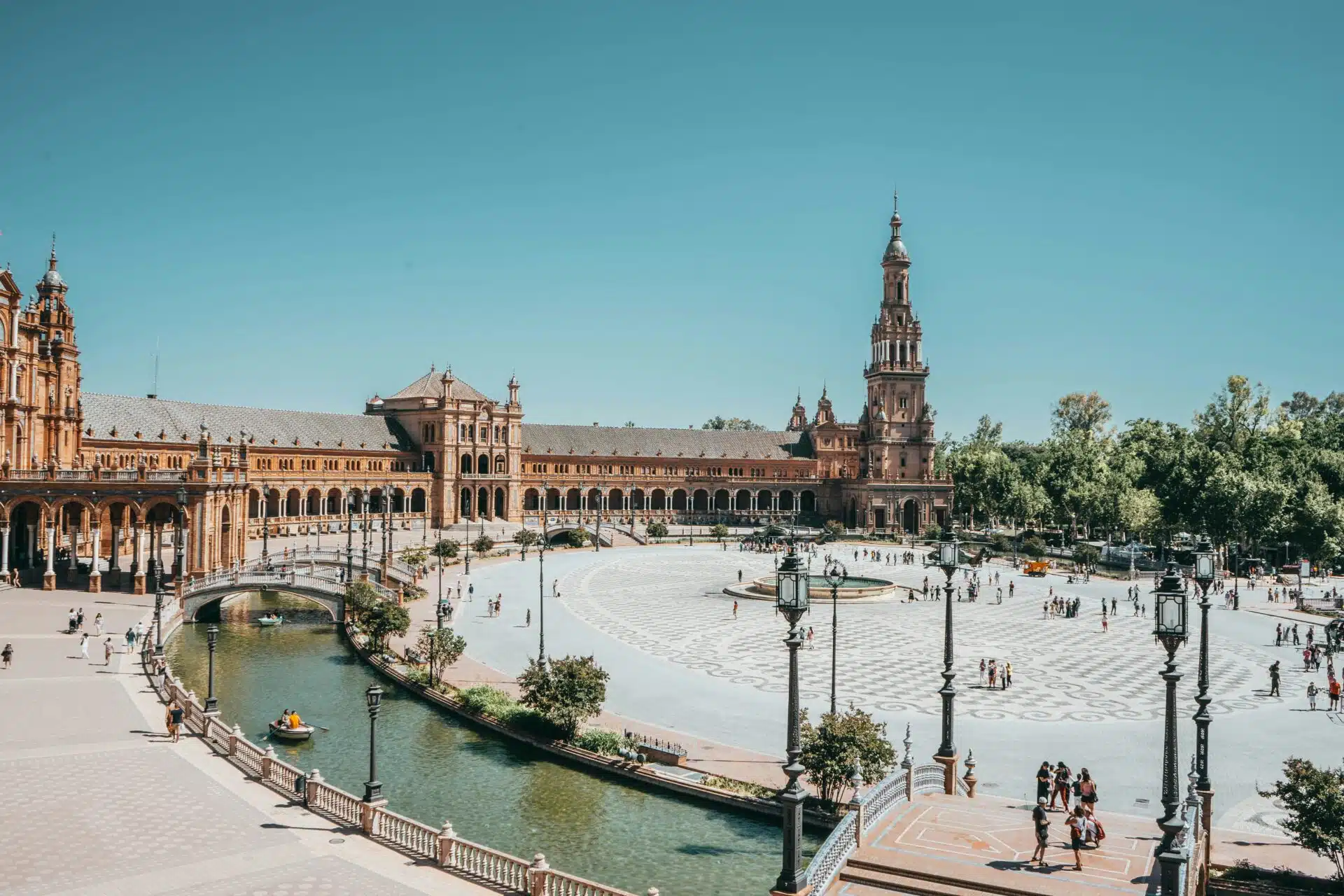
I am currently an auxiliar in Sevilla, a beautiful city in Andalusia in the southern region of Spain. Sevilla has a population of about 684,000 people, making it the perfect-sized city, in my opinion, as it has plenty to offer: people from all over the world, an array of cultural experiences, all without being overwhelming like some larger cities.
Seville is known as the birthplace of flamenco, a Spanish style of dancing that combines singing, dancing, and guitar-playing. It expresses powerful emotions and is very dear to the people of Seville. The city hosts many occasions, holidays, and the annual Feria de Sevilla, a week-long fair held annually at the beginning of May. Locals wear typical flamenco dresses called traje de gitanas, shawls called mantones, and flowers on top of their heads.
My favourite thing about living in Seville is the culture. Sevillanas are some of the most generous and caring people I have ever met. I admire the pride they hold for their community and traditions. Learning the language — including the Andalusian accent — trying local food, living with a host family, attending family events, and participating in their traditions has been one of the best experiences of my life.
Read more: What Is An Assistant Language Teacher (ALT) In Spain?
TEFL teacher salaries in Spain
My situation in Spain is unique because I live with a host family, so I don’t need to worry about grocery costs, monthly rent or utilities:
- The program I work for provides me with a monthly stipend of approximately €520 ($620).
- I make an extra €60 ($70) a month tutoring online,
- and receive €200 ($235) a month from content creation.
- That totals about €800 ($945) a month.
Because I don’t need to worry about monthly expenses due to my living situation, I’m fortunate that I’m able to use this money to pay for recreational activities, travel, meals, and transportation.
This salary is plenty to live on in Sevilla:
- The average meal costs about €15 ($17.50), including drinks.
- Metro and bus rides cost less than a euro.
- Travel can be expensive or cheap, depending on when and where you choose to go.
My friends here chose independent living and live in flats in the city centre, so their monthly salary from our program is a bit higher—between €800-900 ($945-$1,050) a month—to cover their monthly bills and groceries, which, from what I hear from them, is also enough for them to both live on and travel with.
In Sevilla specifically, €800 ($945) a month is sufficient to cover rent, utilities, groceries, leisure activities, and travel, depending on the destination. This price can vary in other cities like Madrid and Barcelona, where the cost of living is higher, so it’s important to consider this when thinking about moving to one of these cities.
Read More: TEFL Teacher Salaries In Spain
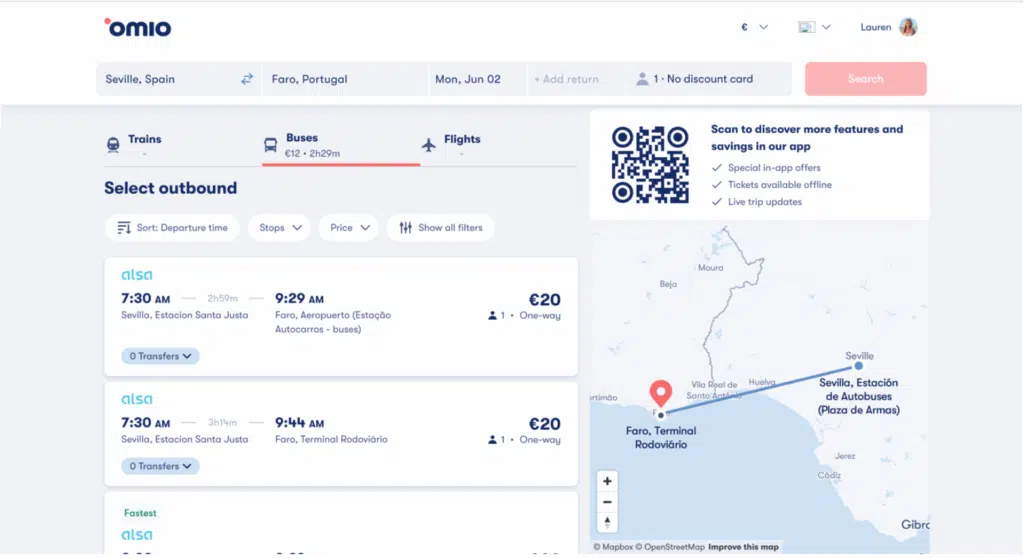
Examples of average train prices to nearby cities:


Cost of living in Spain for TEFL teachers
Housing
I live in a host family situation with a family in Sevilla who takes care of all my basic expenses, including meals and rent. Because of this, I don’t have to worry about housing expenses. However, I have friends who live in various places in the city centre, some in flats and some in shared homes, all of whom pay between €250-€350 ($295-$410) a month for rent, depending on how many people they live with.
You could expect to pay €250 ($295) a month to share a flat just outside the city centre, and between €300-€400 ($355-$470) a month to live in a shared flat in more central, popular areas.
Food & Groceries
Groceries in Spain are affordable, with the average person spending about €40-€50 ($47-$60) a week for one person for produce, meats, cheeses, etc. Here are some average prices for basic groceries:
- Milk: €1 ($1)
- Eggs: €2.50 ($3)
- Beer/Wine: €3 or €4 ($4-$5)
- Produce: €2 ($2)/type of fruit
- Coffee pods: €3 ($4)
- Meats: €5-€10 ($6-$12)
- Cheeses: €3-€7 ($4-$8)
- For the average restaurant in Sevilla, you can spend about €15-€20 ($18-$24) on a tapa, a main, and a drink.
- The average tapa costs about €4 ($5).
- The average plate costs between €8-€10 ($9-$12).
- The average glass of wine or beer costs about €2 ($2).
Of course, you can save on food spending as well, depending on how much you plan to eat and how many drinks/shared plates you want to get. On the frugal side, you can keep costs under €10 ($12) for meals. while still getting high-quality food and beer or wine.
For trendier or touristy places, the average cost of a meal is about €20 ($24), with plates being about €10-€12 ($12-$14), and drinks being €3-€4 ($4-$5) for wine and beer.

Transportation
- My primary mode of transportation is the metro line in Sevilla, which costs me only 1 cent when using my N26 debit card, which covers buses and trams in the city.
- Without this bank card, the cost of the metro is about 60 cents each way and bus fares range between €1-€2 ($1–$2), so transport is very affordable. It is also easy to use.
- Many people often pay for the Sevici bike subscription in Sevilla — €33 ($38) for the year — where you can grab a bicycle in the city and bike up to 30 minutes for free, saving time and money in the long run. It’s also a great way to exercise!
- When you want to travel to other cities by train, this can cost anywhere between €10-€50 ($12-$18) on average, depending on how far you want to go, how far in advance you buy your ticket, and your departure time.
- For example, a round-trip train ticket to cities 2–3 hours from Sevilla usually costs about €30-€40 ($35-$47). I tend to leave in the morningaround 10.00 am and return in the evening around 6.00 pm — either that day or the next day. I recommend booking tickets at least a week in advance to avoid price hikes or seats selling out, especially if you’re planning to travel over holiday weekends.
Utilities & Internet
- The average costs of utilities in Sevilla are about €60-€90 ($70-$105) a month, which is typically split between a few roommates.
- Friends of mine in the city pay about €15-€20 ($17-$25) a month for electricity, €10 ($12) for water, and less than €10 a month for internet.
During winter and spring, people usually only need to run the heating at night. However, during summer, people use the AC more often as temperatures in the south of Spain can get extremely hot. Because of this, electricity costs can vary greatly throughout the year, depending on your personal preferences and how much time you spend at home.
Phone plans in Spain overall are very affordable.
- You can get unlimited calls and texts, plus 10 GB or more of data a month for just €10-€20 ($12-$24).
Health Insurance & Taxes
- I paid for international health insurance for the whole year. It covers just about every health-related issue you can think of — 100% — and includes 24/7 telehealth access with English speakers, which is super handy if you have any questions or need help.
- My private health insurance costs about $300 for the year, which I highly recommend as it saves me from worry and stress when I’m sick.
- Coming from the US, the healthcare coverage, access, and quality of care are some of the most mind-blowing benefits of living in Spain. If you are already an EU citizen, then healthcare is free.
- As an “international student” in Spain, I pay Social Security Tax each month, which is about €11 ($13). However, the government provides a discount, so only 60 cents comes out of my monthly stipend to contribute to this tax.
Leisure & Entertainment
- In my free time, I usually have dinner and drinks with friends, which costs between €10-€12 ($12-$14) on average, depending on the meal, location, and activity. I spend about €60 ($70) a week on meals and drinks with friends.
- As for activities, sightseeing around Seville, local museums, the cathedral, and other monuments are either free or cost between €5-€10 ($6-$12).
- A flamenco show, a candlelight show, or light shows in the park cost around €30 ($35) each.
- I often travel twice a month and at weekends. A weekend trip to a nearby city will cost around €100-€150 ($120-$175) for two days. When taking the plane, it costs around €200 ($235), depending on how far in advance I book my flight, where I am staying in the city, etc.
- Also, beware of possible exchange rates when you are travelling to places like the UK or Ireland, where things cost a bit more.
Comparison of urban vs rural cost of living
The cost of living depends on where you live. In Sevilla, living costs are quite affordable because it’s smaller and less touristy, which makes it a great choice to settle down.
In bigger cities like Madrid and Barcelona, the average price for experiences, food, drinks, and activities increases quite a bit. There, the average price for food and drinks is probably about €20 ($24), with experiences costing around €40-€50 ($47-$60).
Rent is also far more expensive. People pay as much as €800-€1,000 ($945-$1,200) a month in these bigger cities. However, compared to more rural locations, the costs decrease significantly, but you may end up spending more on transport to visit nearby cities.
Read more: What Do You Need To Know About Moving To Spain?

How to budget & save as a TEFL teacher in Spain
Find out when the Spanish holidays and the puentes (long weekends) are, and book your train or flight tickets way ahead of time — 3 months ahead if possible. Travel during these peak times gets pricier because everyone’s scrambling for seats, so decide where you want to go early and lock in the best deals!
Read more: Top Festivals To Experience In Spain
- Take advantage of the free entertainment/activities — go to the local museums and sights that are free for residents, have picnics or walks through local parks and city centres, visit local beaches, etc.
- You will often run into free cultural events and performances when walking through most cities in Spain. I’ve been to free dance classes in the park, which is a great way to meet new people and experience something unique.
- As everyone knows, eating at home can save money.
- Most of the locals I know shop at secondhand stores — even online. The most popular one in Spain is Vinted, which has tons of trendy options that are more affordable than buying in the city. Most cities have local flea markets, especially on Saturday and Sunday mornings, where you can thrift some new clothes or items.
- At restaurants, get the menu del dia. It’s typically a three-course meal at a more affordable price than usual, and it’s a great way to try new local dishes!
Read More: Ways To Live And Work In Spain As A Foreigner
Gracias, Lauren! Living in Spain certainly sounds like a vibe! If those siestas and sangrias are calling your name, sign up for a TEFL course and take your first step towards Spain.
Author Bio
Table of Contents
- Introduction
- Salaries in Spain
- Cost of living
- Urban vs rural cost of living
- How to budget
We asked one of our TEFL teachers to tell us a bit more about where they live in Spain. From the size of the city to what it’s known for — and, of course, their favourite thing about it. Lauren has been living in Seville, Spain, for almost a year. This is what she had to say.
I am currently an auxiliar in Sevilla, a beautiful city in Andalusia in the southern region of Spain. Sevilla has a population of about 684,000 people, making it the perfect-sized city, in my opinion, as it has plenty to offer: people from all over the world, an array of cultural experiences, all without being overwhelming like some larger cities.
Seville is known as the birthplace of flamenco, a Spanish style of dancing that combines singing, dancing, and guitar-playing. It expresses powerful emotions and is very dear to the people of Seville. The city hosts many occasions, holidays, and the annual Feria de Sevilla, a week-long fair held annually at the beginning of May. Locals wear typical flamenco dresses called traje de gitanas, shawls called mantones, and flowers on top of their heads.
My favourite thing about living in Seville is the culture. Sevillanas are some of the most generous and caring people I have ever met. I admire the pride they hold for their community and traditions. Learning the language — including the Andalusian accent — trying local food, living with a host family, attending family events, and participating in their traditions has been one of the best experiences of my life.
Read more: What Is An Assistant Language Teacher (ALT) In Spain?
TEFL teacher salaries in Spain
My situation in Spain is unique because I live with a host family, so I don’t need to worry about grocery costs, monthly rent or utilities:
- The program I work for provides me with a monthly stipend of approximately €520 ($620).
- I make an extra €60 ($70) a month tutoring online,
- and receive €200 ($235) a month from content creation.
- That totals about €800 ($945) a month.
Because I don’t need to worry about monthly expenses due to my living situation, I’m fortunate that I’m able to use this money to pay for recreational activities, travel, meals, and transportation.
This salary is plenty to live on in Sevilla:
- The average meal costs about €15 ($17.50), including drinks.
- Metro and bus rides cost less than a euro.
- Travel can be expensive or cheap, depending on when and where you choose to go.
My friends here chose independent living and live in flats in the city centre, so their monthly salary from our program is a bit higher—between €800-900 ($945-$1,050) a month—to cover their monthly bills and groceries, which, from what I hear from them, is also enough for them to both live on and travel with.
In Sevilla specifically, €800 ($945) a month is sufficient to cover rent, utilities, groceries, leisure activities, and travel, depending on the destination. This price can vary in other cities like Madrid and Barcelona, where the cost of living is higher, so it’s important to consider this when thinking about moving to one of these cities.
Read More: TEFL Teacher Salaries In Spain
Examples of average train prices to nearby cities:
Cost of living in Spain for TEFL teachers
Housing
I live in a host family situation with a family in Sevilla who takes care of all my basic expenses, including meals and rent. Because of this, I don’t have to worry about housing expenses. However, I have friends who live in various places in the city centre, some in flats and some in shared homes, all of whom pay between €250-€350 ($295-$410) a month for rent, depending on how many people they live with.
You could expect to pay €250 ($295) a month to share a flat just outside the city centre, and between €300-€400 ($355-$470) a month to live in a shared flat in more central, popular areas.
Food & Groceries
Groceries in Spain are affordable, with the average person spending about €40-€50 ($47-$60) a week for one person for produce, meats, cheeses, etc. Here are some average prices for basic groceries:
- Milk: €1 ($1)
- Eggs: €2.50 ($3)
- Beer/Wine: €3 or €4 ($4-$5)
- Produce: €2 ($2)/type of fruit
- Coffee pods: €3 ($4)
- Meats: €5-€10 ($6-$12)
- Cheeses: €3-€7 ($4-$8)
- For the average restaurant in Sevilla, you can spend about €15-€20 ($18-$24) on a tapa, a main, and a drink.
- The average tapa costs about €4 ($5).
- The average plate costs between €8-€10 ($9-$12).
- The average glass of wine or beer costs about €2 ($2).
Of course, you can save on food spending as well, depending on how much you plan to eat and how many drinks/shared plates you want to get. On the frugal side, you can keep costs under €10 ($12) for meals. while still getting high-quality food and beer or wine.
For trendier or touristy places, the average cost of a meal is about €20 ($24), with plates being about €10-€12 ($12-$14), and drinks being €3-€4 ($4-$5) for wine and beer.
Transportation
- My primary mode of transportation is the metro line in Sevilla, which costs me only 1 cent when using my N26 debit card, which covers buses and trams in the city.
- Without this bank card, the cost of the metro is about 60 cents each way and bus fares range between €1-€2 ($1–$2), so transport is very affordable. It is also easy to use.
- Many people often pay for the Sevici bike subscription in Sevilla — €33 ($38) for the year — where you can grab a bicycle in the city and bike up to 30 minutes for free, saving time and money in the long run. It’s also a great way to exercise!
- When you want to travel to other cities by train, this can cost anywhere between €10-€50 ($12-$18) on average, depending on how far you want to go, how far in advance you buy your ticket, and your departure time.
- For example, a round-trip train ticket to cities 2–3 hours from Sevilla usually costs about €30-€40 ($35-$47). I tend to leave in the morningaround 10.00 am and return in the evening around 6.00 pm — either that day or the next day. I recommend booking tickets at least a week in advance to avoid price hikes or seats selling out, especially if you’re planning to travel over holiday weekends.
Utilities & Internet
- The average costs of utilities in Sevilla are about €60-€90 ($70-$105) a month, which is typically split between a few roommates.
- Friends of mine in the city pay about €15-€20 ($17-$25) a month for electricity, €10 ($12) for water, and less than €10 a month for internet.
During winter and spring, people usually only need to run the heating at night. However, during summer, people use the AC more often as temperatures in the south of Spain can get extremely hot. Because of this, electricity costs can vary greatly throughout the year, depending on your personal preferences and how much time you spend at home.
Phone plans in Spain overall are very affordable.
- You can get unlimited calls and texts, plus 10 GB or more of data a month for just €10-€20 ($12-$24).
Health Insurance & Taxes
- I paid for international health insurance for the whole year. It covers just about every health-related issue you can think of — 100% — and includes 24/7 telehealth access with English speakers, which is super handy if you have any questions or need help.
- My private health insurance costs about $300 for the year, which I highly recommend as it saves me from worry and stress when I’m sick.
- Coming from the US, the healthcare coverage, access, and quality of care are some of the most mind-blowing benefits of living in Spain. If you are already an EU citizen, then healthcare is free.
- As an “international student” in Spain, I pay Social Security Tax each month, which is about €11 ($13). However, the government provides a discount, so only 60 cents comes out of my monthly stipend to contribute to this tax.
Leisure & Entertainment
- In my free time, I usually have dinner and drinks with friends, which costs between €10-€12 ($12-$14) on average, depending on the meal, location, and activity. I spend about €60 ($70) a week on meals and drinks with friends.
- As for activities, sightseeing around Seville, local museums, the cathedral, and other monuments are either free or cost between €5-€10 ($6-$12).
- A flamenco show, a candlelight show, or light shows in the park cost around €30 ($35) each.
- I often travel twice a month and at weekends. A weekend trip to a nearby city will cost around €100-€150 ($120-$175) for two days. When taking the plane, it costs around €200 ($235), depending on how far in advance I book my flight, where I am staying in the city, etc.
- Also, beware of possible exchange rates when you are travelling to places like the UK or Ireland, where things cost a bit more.
Comparison of urban vs rural cost of living
The cost of living depends on where you live. In Sevilla, living costs are quite affordable because it’s smaller and less touristy, which makes it a great choice to settle down.
In bigger cities like Madrid and Barcelona, the average price for experiences, food, drinks, and activities increases quite a bit. There, the average price for food and drinks is probably about €20 ($24), with experiences costing around €40-€50 ($47-$60).
Rent is also far more expensive. People pay as much as €800-€1,000 ($945-$1,200) a month in these bigger cities. However, compared to more rural locations, the costs decrease significantly, but you may end up spending more on transport to visit nearby cities.
Read more: What Do You Need To Know About Moving To Spain?
How to budget & save as a TEFL teacher in Spain
Find out when the Spanish holidays and the puentes (long weekends) are, and book your train or flight tickets way ahead of time — 3 months ahead if possible. Travel during these peak times gets pricier because everyone’s scrambling for seats, so decide where you want to go early and lock in the best deals!
Read more: Top Festivals To Experience In Spain
- Take advantage of the free entertainment/activities — go to the local museums and sights that are free for residents, have picnics or walks through local parks and city centres, visit local beaches, etc.
- You will often run into free cultural events and performances when walking through most cities in Spain. I’ve been to free dance classes in the park, which is a great way to meet new people and experience something unique.
- As everyone knows, eating at home can save money.
- Most of the locals I know shop at secondhand stores — even online. The most popular one in Spain is Vinted, which has tons of trendy options that are more affordable than buying in the city. Most cities have local flea markets, especially on Saturday and Sunday mornings, where you can thrift some new clothes or items.
- At restaurants, get the menu del dia. It’s typically a three-course meal at a more affordable price than usual, and it’s a great way to try new local dishes!
Read More: Ways To Live And Work In Spain As A Foreigner
Gracias, Lauren! Living in Spain certainly sounds like a vibe! If those siestas and sangrias are calling your name, sign up for a TEFL course and take your first step towards Spain.
Author Bio