 United States
US
United States
US









What Nobody Tells You About Teaching In China As A Foreigner

 February 27, 2026


Table of Contents
- Introduction
- Expectations vs reality
- Daily challenges
- Cultural differences
- What to know before arriving
- Hidden costs
- Expat and social scenes
- Culture shock
- What you wish you'd known
- How it's shaped you
- Would you recommend China?
- Final thoughts
Teaching English in China isn’t always what the job boards promise. From culture shocks to navigating the Great Firewall to classroom expectations and daily challenges, here’s what you really need to know about teaching and living in China – beyond what the glossy brochures say.
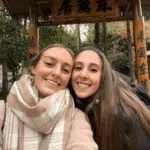
Hi! I’m Sonia, a 26-year-old South African English teacher currently living and working in Guangzhou, China. I have a Bachelor’s degree in Business Management, an Honours degree in Marketing Management, and a TEFL qualification.
Before moving abroad, I spent four years in private tutoring, which eventually led me to full-time teaching in South Korea, where I taught for one year. I’m now in my second year teaching Grade 2 students at an international IB primary school in China.
I chose to teach abroad because I wanted more than a desk job: I wanted to travel, experience new cultures, and challenge myself professionally and personally.
China has been one of the most surprising and rewarding experiences of my life, both in and out of the classroom. Beyond teaching, the quirks and conveniences of everyday life here make the experience unique.
Read more: How To Live & Work In China As A Foreigner

How do your expectations of China compare to the reality?
I get asked all the time why I chose China. Honestly, it started with pure word of mouth. I always knew I wanted to teach somewhere in Asia, but China wasn’t really on my radar until I was working in South Korea.
My hagwon job was pretty intense, and a co-worker kept telling me about how he used to teach in China and how much better the work-life balance was. That got me curious.
Read more: What Is A Hagwon? Unpacking The Secrets Of South Korea’s Popular Learning Centres
I started doing my own research, chatting to other ESL teachers who had lived here, and the more I heard, the more excited I became. I arrived with a few expectations about the work, the lifestyle and everyday life, but China ended up surprising me.
Before moving, I didn’t realise just how overwhelming China can be at first. I had to adjust to the language barrier, the massive cities and the fast-paced way of life. Still, the locals are genuinely some of the friendliest I’ve ever met. When I don’t understand a word, someone will gesture, translate, or simply smile.
My first few weeks felt like sensory overload: neon lights, crowds, high-speed trains, and delivery drivers everywhere.
But on the flip side, once you settle in, that intensity becomes part of what makes life here so exciting — sometimes random fireworks go off in the middle of the week!
Read more: How To Deal With Culture Shock
The efficiency and technology are on another level: you can get groceries delivered in minutes (by drone!), order anything anytime, pay with your phone everywhere, use your palm to pay for snacks at 7-Eleven, or hop in a driverless taxi.
In my first week in Guangzhou, my roommate and I discovered that our beds were way too hard. We ordered a mattress softener at 2.00am, fully expecting it to arrive in a few days — it showed up on our doorstep just 25 minutes later!
What’s a small daily challenge that took some getting used to?
One of the first things I had to adjust to was the VPN lifestyle. Google, Instagram, Facebook, YouTube, WhatsApp — all blocked.
Editor’s note: Many popular sites and apps are blocked in China due to government restrictions, a system known as the Great Firewall. Expats access these sites by using virtual private networks, known as VPNs.
Messaging my family on WhatsApp required a VPN. Connecting to one before uploading or switching servers if one is slow became part of my daily routine.
At first, it felt like an extra step, but now it’s automatic.
Read more: Navigating The Great Firewall For Teachers: VPNs In China That Work In 2026
Another challenge was learning the apps that run everything: delivery apps, WeChat, Alipay, and more.
In the first week, I accidentally placed wrong orders, and some of my deliveries ended up at the wrong address. Even small tasks like navigating the metro or scanning a QR code for a restaurant menu took some adjustment. Now, living in Guangzhou has become second nature.
Are there any cultural differences or unspoken rules?
Foreign teachers are generally treated with respect and curiosity. People often stare, ask questions, usually out of fascination rather than rudeness, and some try to practice their English.
Unspoken rules teachers should know:
- Respect hierarchy: Principals and senior staff hold significant authority.
- Expect indirect communication: If someone says maybe or we’ll see, it often means no, so don’t push too hard.
- Informal info flow: Important details may come through casual chats or WeChat messages rather than formal meetings.
- Patience pays off: Things eventually get done, just not always when you want them to!
Parents also have expectations, so punctuality, visible enthusiasm, and professionalism are key. Understanding these dynamics early makes teaching smoother and relationships stronger.

What should teachers know before coming here?
Many teachers don’t realise how different the day-to-day routine can be from what’s advertised. Extra duties, such as school festivals, holiday shows, or parent meetings, are common — not bad, just different.
Other things I wish I’d known:
- Air quality varies: Some days are perfect, others require masks.
- Noise is normal: Street vendors, construction, and people yelling on buses are just part of daily life.
- Work-life balance depends on your school: Some are relaxed; others are strict.
Expect surprises, but most are manageable once you embrace them with flexibility and humour.
Read more: Life In A Tier 1 City In China: Beijing
Is there a hidden cost that nobody talks about?

Yes — imported food and comfort items can be expensive.
Cheese, chocolate, breakfast cereal, or Western toiletries may cost two to three times what you’d pay at home. Teachers either adjust to local brands or budget for occasional treats — I made sure to pack my favourite snacks from back home.
Emotionally, living far from family and friends is harder than anticipated. Video calls help, but holidays and milestones can trigger homesickness.
On the plus side, this distance encourages independence and personal growth. In China, the many school holidays make it possible to visit home at least once a year, which helps a lot.
Read more: Is Teaching In China Stressful? Honest Insights For TEFL Teachers
How have you found the social or expat scene?
Guangzhou has a vibrant but transient expat scene. People move quickly, so friendships form fast but can disappear just as fast.
Locals are incredibly kind and welcoming. I even became friends with my estate agent, and she invites me over for dinner or karaoke! My landlord has also become a friend, and we exchange fruit on special holidays.
Tips for building community:
- Join expat groups on WeChat or Facebook.
- Attend language exchanges or hobby groups.
- Take weekend trips with co-workers or friends.
Over time, you build a reliable network, but life in China moves fast — and so do the people around you.
Read more: How To Find Your Community As A TEFL Teacher
Have you experienced culture shock?
Yes — culture shock and homesickness hit hard at times. Sometimes I miss the familiarity of home and reading labels in English.
What helps:
- Establishing a daily routine.
- Talking to other expats who “get it”.
- Short weekend trips or walks in the park.
- Reminding myself that every country has challenges.
Usually, the positives far outweigh the hard moments, and the hard moments make you grow stronger.
Read more: Self-Care And The TEFL Teacher: How To Avoid Teacher Burnout
Anything you wish you had known before moving to China?
Three words: patience, flexibility, humour.
Other practical tips:
- Learn basic Mandarin phrases.
- Get a good VPN for Google, YouTube, Instagram, etc.
- Download WeChat, Alipay, and delivery apps — life-changing.
- Embrace differences in school operations.
- Adjust expectations for food, transport, and social interactions.
These small insights reduce stress and make the transition smoother.
Read more: How To Learn The Local Language
How has living and teaching in China shaped you?
Living here has made me more adaptable, confident, and independent.
Teaching diverse classrooms has improved creativity and problem-solving, while interacting with different cultures has broadened my perspective. Every challenge, from language barriers to bureaucracy, has taught resilience.
Looking back, I see growth I wouldn’t have gained anywhere else.
Would you recommend China to TEFL teachers?
Yes, but with some caveats.
You’ll thrive if you’re:
- open-minded
- patient
- curious
- adaptable to cultural differences
- comfortable in busy, noisy cities
You might struggle if you:
- expect things to work the way they do at home
- get frustrated easily
- need constant emotional support nearby
- strongly dislike crowded, busy cities
For the right person, China offers professional development, cultural immersion, and travel opportunities. I’d absolutely do it all again.
Read more: Can I Teach English In China If I Don’t Speak Chinese? Yes!

Final thoughts
Teaching in China is a mix of highs and lows, but also exciting and challenging. It’s one of the most rewarding experiences you can have abroad and is ultimately transformative.
If you’re considering teaching in China, come with an open mind and embrace the surprises. Get ready for a year (or more!) that will change you in ways you didn’t expect.
Author Bio
Table of Contents
- Introduction
- Expectations vs reality
- Daily challenges
- Cultural differences
- What to know before arriving
- Hidden costs
- Expat and social scenes
- Culture shock
- What you wish you'd known
- How it's shaped you
- Would you recommend China?
- Final thoughts
Teaching English in China isn’t always what the job boards promise. From culture shocks to navigating the Great Firewall to classroom expectations and daily challenges, here’s what you really need to know about teaching and living in China – beyond what the glossy brochures say.
Hi! I’m Sonia, a 26-year-old South African English teacher currently living and working in Guangzhou, China. I have a Bachelor’s degree in Business Management, an Honours degree in Marketing Management, and a TEFL qualification.
Before moving abroad, I spent four years in private tutoring, which eventually led me to full-time teaching in South Korea, where I taught for one year. I’m now in my second year teaching Grade 2 students at an international IB primary school in China.
I chose to teach abroad because I wanted more than a desk job: I wanted to travel, experience new cultures, and challenge myself professionally and personally.
China has been one of the most surprising and rewarding experiences of my life, both in and out of the classroom. Beyond teaching, the quirks and conveniences of everyday life here make the experience unique.
Read more: How To Live & Work In China As A Foreigner
How do your expectations of China compare to the reality?
I get asked all the time why I chose China. Honestly, it started with pure word of mouth. I always knew I wanted to teach somewhere in Asia, but China wasn’t really on my radar until I was working in South Korea.
My hagwon job was pretty intense, and a co-worker kept telling me about how he used to teach in China and how much better the work-life balance was. That got me curious.
Read more: What Is A Hagwon? Unpacking The Secrets Of South Korea’s Popular Learning Centres
I started doing my own research, chatting to other ESL teachers who had lived here, and the more I heard, the more excited I became. I arrived with a few expectations about the work, the lifestyle and everyday life, but China ended up surprising me.
Before moving, I didn’t realise just how overwhelming China can be at first. I had to adjust to the language barrier, the massive cities and the fast-paced way of life. Still, the locals are genuinely some of the friendliest I’ve ever met. When I don’t understand a word, someone will gesture, translate, or simply smile.
My first few weeks felt like sensory overload: neon lights, crowds, high-speed trains, and delivery drivers everywhere.
But on the flip side, once you settle in, that intensity becomes part of what makes life here so exciting — sometimes random fireworks go off in the middle of the week!
Read more: How To Deal With Culture Shock
The efficiency and technology are on another level: you can get groceries delivered in minutes (by drone!), order anything anytime, pay with your phone everywhere, use your palm to pay for snacks at 7-Eleven, or hop in a driverless taxi.
In my first week in Guangzhou, my roommate and I discovered that our beds were way too hard. We ordered a mattress softener at 2.00am, fully expecting it to arrive in a few days — it showed up on our doorstep just 25 minutes later!
What’s a small daily challenge that took some getting used to?
One of the first things I had to adjust to was the VPN lifestyle. Google, Instagram, Facebook, YouTube, WhatsApp — all blocked.
Editor’s note: Many popular sites and apps are blocked in China due to government restrictions, a system known as the Great Firewall. Expats access these sites by using virtual private networks, known as VPNs.
Messaging my family on WhatsApp required a VPN. Connecting to one before uploading or switching servers if one is slow became part of my daily routine.
At first, it felt like an extra step, but now it’s automatic.
Read more: Navigating The Great Firewall For Teachers: VPNs In China That Work In 2026
Another challenge was learning the apps that run everything: delivery apps, WeChat, Alipay, and more.
In the first week, I accidentally placed wrong orders, and some of my deliveries ended up at the wrong address. Even small tasks like navigating the metro or scanning a QR code for a restaurant menu took some adjustment. Now, living in Guangzhou has become second nature.
Are there any cultural differences or unspoken rules?
Foreign teachers are generally treated with respect and curiosity. People often stare, ask questions, usually out of fascination rather than rudeness, and some try to practice their English.
Unspoken rules teachers should know:
- Respect hierarchy: Principals and senior staff hold significant authority.
- Expect indirect communication: If someone says maybe or we’ll see, it often means no, so don’t push too hard.
- Informal info flow: Important details may come through casual chats or WeChat messages rather than formal meetings.
- Patience pays off: Things eventually get done, just not always when you want them to!
Parents also have expectations, so punctuality, visible enthusiasm, and professionalism are key. Understanding these dynamics early makes teaching smoother and relationships stronger.
What should teachers know before coming here?
Many teachers don’t realise how different the day-to-day routine can be from what’s advertised. Extra duties, such as school festivals, holiday shows, or parent meetings, are common — not bad, just different.
Other things I wish I’d known:
- Air quality varies: Some days are perfect, others require masks.
- Noise is normal: Street vendors, construction, and people yelling on buses are just part of daily life.
- Work-life balance depends on your school: Some are relaxed; others are strict.
Expect surprises, but most are manageable once you embrace them with flexibility and humour.
Read more: Life In A Tier 1 City In China: Beijing
Is there a hidden cost that nobody talks about?
Yes — imported food and comfort items can be expensive.
Cheese, chocolate, breakfast cereal, or Western toiletries may cost two to three times what you’d pay at home. Teachers either adjust to local brands or budget for occasional treats — I made sure to pack my favourite snacks from back home.
Emotionally, living far from family and friends is harder than anticipated. Video calls help, but holidays and milestones can trigger homesickness.
On the plus side, this distance encourages independence and personal growth. In China, the many school holidays make it possible to visit home at least once a year, which helps a lot.
Read more: Is Teaching In China Stressful? Honest Insights For TEFL Teachers
How have you found the social or expat scene?
Guangzhou has a vibrant but transient expat scene. People move quickly, so friendships form fast but can disappear just as fast.
Locals are incredibly kind and welcoming. I even became friends with my estate agent, and she invites me over for dinner or karaoke! My landlord has also become a friend, and we exchange fruit on special holidays.
Tips for building community:
- Join expat groups on WeChat or Facebook.
- Attend language exchanges or hobby groups.
- Take weekend trips with co-workers or friends.
Over time, you build a reliable network, but life in China moves fast — and so do the people around you.
Read more: How To Find Your Community As A TEFL Teacher
Have you experienced culture shock?
Yes — culture shock and homesickness hit hard at times. Sometimes I miss the familiarity of home and reading labels in English.
What helps:
- Establishing a daily routine.
- Talking to other expats who “get it”.
- Short weekend trips or walks in the park.
- Reminding myself that every country has challenges.
Usually, the positives far outweigh the hard moments, and the hard moments make you grow stronger.
Read more: Self-Care And The TEFL Teacher: How To Avoid Teacher Burnout
Anything you wish you had known before moving to China?
Three words: patience, flexibility, humour.
Other practical tips:
- Learn basic Mandarin phrases.
- Get a good VPN for Google, YouTube, Instagram, etc.
- Download WeChat, Alipay, and delivery apps — life-changing.
- Embrace differences in school operations.
- Adjust expectations for food, transport, and social interactions.
These small insights reduce stress and make the transition smoother.
Read more: How To Learn The Local Language
How has living and teaching in China shaped you?
Living here has made me more adaptable, confident, and independent.
Teaching diverse classrooms has improved creativity and problem-solving, while interacting with different cultures has broadened my perspective. Every challenge, from language barriers to bureaucracy, has taught resilience.
Looking back, I see growth I wouldn’t have gained anywhere else.
Would you recommend China to TEFL teachers?
Yes, but with some caveats.
You’ll thrive if you’re:
- open-minded
- patient
- curious
- adaptable to cultural differences
- comfortable in busy, noisy cities
You might struggle if you:
- expect things to work the way they do at home
- get frustrated easily
- need constant emotional support nearby
- strongly dislike crowded, busy cities
For the right person, China offers professional development, cultural immersion, and travel opportunities. I’d absolutely do it all again.
Read more: Can I Teach English In China If I Don’t Speak Chinese? Yes!
Final thoughts
Teaching in China is a mix of highs and lows, but also exciting and challenging. It’s one of the most rewarding experiences you can have abroad and is ultimately transformative.
If you’re considering teaching in China, come with an open mind and embrace the surprises. Get ready for a year (or more!) that will change you in ways you didn’t expect.
Author Bio