 United States
US
United States
US










Teaching in Japan as a South African: Salary, Visa, Jobs & What to Expect



Last Updated
February 18, 2026


Table of Contents
- My 3-Year JET Programme
- TEFL Jobs for South Africans
- Visa requirements
- Daily life in Japan
- Salary vs cost of living in Japan
- Why choose Japan
- Tips for moving to Japan
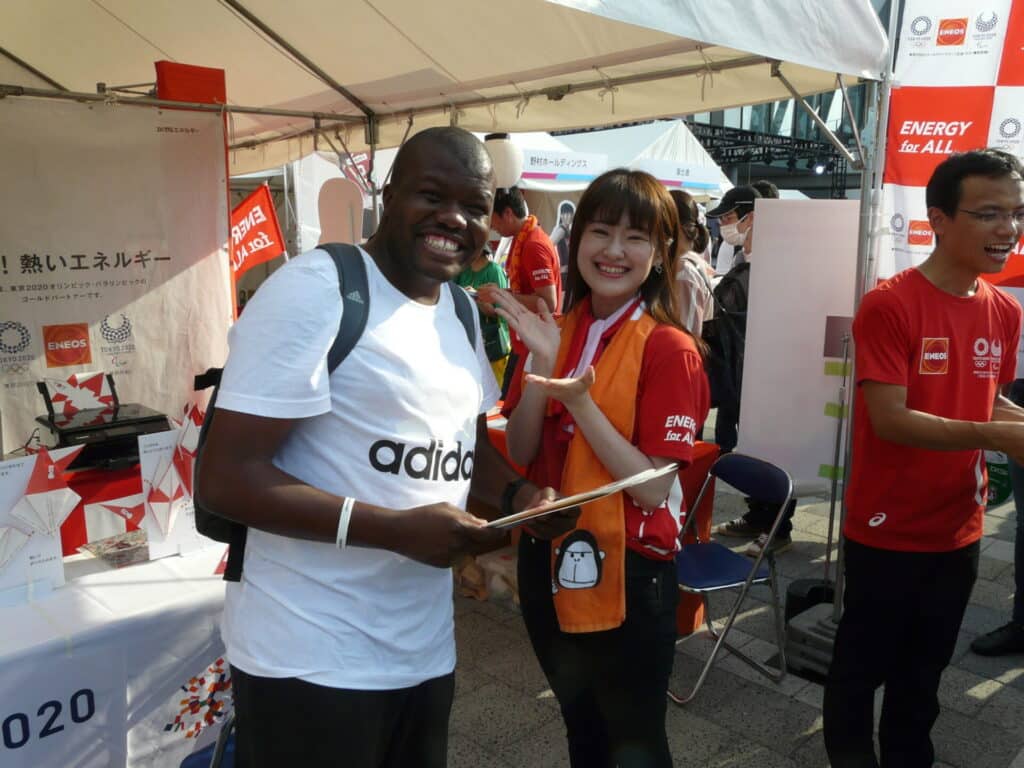
My name is Sithembiso Nkosi. I have three years’ experience teaching English on the JET Programme in Japan. I started teaching in Japan in April 2022. I have been in Japan for 3 years and five months now. I am officially in my 4th year on the JET programme.
What types of TEFL jobs in Japan are available for South Africans?
There are numerous teaching jobs you can find in Japan.
Public schools
The JET Programme is a government initiative which places TEFL teachers as Assistant Language Teachers in public schools around Japan. It’s one of the most reliable and respected ways for foreigners to teach in Japan.
Read more: 21 Pros And Cons Of The JET Programme
Besides JET, there are several other programmes run by local Boards of Education (BoEs) which also place teachers.
There are several dispatch companies that help teachers get into the Japanese school system. Interac is a popular one which places teachers at public elementary, junior high and senior high schools across Japan.
Read more: What Is Interac Japan?
Eikaiwas
Eikawas are private conversation schools. Popular eikaiwas are AEON, ECC, NOVA, Borderlink, and GABA. AEON is a language school with a competitive salary and a focus on developing its teachers professionally. NOVA offers both one-on-one lessons and small group lessons to students of various ages and proficiency levels. NOVA offers test preparation courses for the TOEIC and TOEFL exams.
Read more: Inside The Eikaiwa: Revealing The Unfiltered Truth
Visa requirements for South Africans teaching in Japan
To teach legally in Japan, South Africans need an Instructor Visa, a Specialist in Humanities visa, or, if you’re highly qualified, a Professor visa. The process can take a few weeks, but it’s likely your employer will work with you through the process.
Once you get shortlisted for the JET Programme, it pretty much becomes a standard procedure that the embassy handles all the requirements for obtaining a visa. You need to submit your passport to the embassy at least three weeks before your departure to Japan, and they will process your visa within a week of getting your passport. All JET programme participants don’t need to pay to have their visa processed.
For other teaching jobs, your employer will apply for a Certificate of Eligibility (COE) on your behalf and send it to you. You then send your passport along with your COE and other paperwork to the embassy to apply for your visa.
What it’s really like living in Japan as a South African
Japan is a beautiful country. Living in Japan is easy.
Japan has world-class public transportation systems, especially in major metropolitan cities such as Tokyo, Osaka and Kyoto. The public transportation system is out of this world.
In Japan, people can walk late at night and not worry about safety.
Learning the language is quite challenging because you literally learn three language systems all at once with Katakana, Hiragana and Kanji.
The public health system is world class and the infrastructure in place throughout Japan is next-level. But navigating going to the hospital can be challenging if you don’t speak Japanese!
I did experience shock culture with the work ethic of the Japanese people. They work long hours and come to work even if they are feeling under the weather.
I miss seeing my family daily and eating at restaurants such as Spur, Ocean Basket and Steers.

Salary vs cost of living in Japan
We get paid pretty well in Japan.
As a 4th-year JET, the base salary is ¥ 360,000 ($2,300/ R39,500), and the take-home after taxes is ¥ 300,000 ($1,900/ R33,000).
I spend around ¥105,000 ($670/ R11,350) per month on rent, utilities and food. I average around ¥1,500 ($10/ R165) per day on meals. I send the remainder of the money back home through Wise. I send between ¥ 150,000 ($960/ R16,500) –¥ 170,000 ($1,100/ R18,500).
The standard of living in Japan is relatively high, and there has been a recent increase in the price of food, though we also did get a ¥24,000 ($155/ R2,600) increase across the board on the JET programme.
Read more: What Is The Cost Of Living For TEFL Teachers In Japan?
Why Japan over other TEFL destinations for South Africans?
I was torn between teaching English in Spain on the Conversaspain programme or on the JET Programme first.
I finally chose the JET Programme because the programme covered flights. Looking back, it was the best move because the Conversaspain Programme requires more start-up costs than JET, as you have to pay an agency fee for them to find you a placement alongside flights, first month’s rent and a key deposit. So the overall start-up costs in euros would have been more than I could afford.
I am grateful I chose Japan. There were 45 other ALTs selected from South Africa that came with us, so there is a whole community of Saffas already here, including ALTs from previous years on the programme.
I think Japan is a good destination for South Africans because the programmes in Japan are usually reliable and Japan is a very safe country.
The ESL salaries in Japan are competitive in Asia, and there are many sightseeing attractions which I think appeal to South Africans. You can hike Mt Fuji, go to Tokyo Disney, visit Osaka or even go to Fushimi Inari in Kyoto, which attracts millions of visitors each year.
Another hit tourist destination is Hiroshima, and the snow festival in Sapporo.

Tips for South Africans moving to Japan
- The sooner you start learning Japanese, the better the experience of Japan will be for you. Learning Japanese will help you with daily life, especially when going to the doctor, the supermarket or any place where you will be required to express yourself in Japanese.
- Build connections within the ALT community and within the local community. Japan can be a lonely place sometimes, so the more friends you have, the less likely you are to miss home.
- Finally, be willing to try new things. I had sashimi for the first time in Japan, and I absolutely love it now and can’t get enough of it.
Author Bio
Table of Contents
- My 3-Year JET Programme
- TEFL Jobs for South Africans
- Visa requirements
- Daily life in Japan
- Salary vs cost of living in Japan
- Why choose Japan
- Tips for moving to Japan
My name is Sithembiso Nkosi. I have three years’ experience teaching English on the JET Programme in Japan. I started teaching in Japan in April 2022. I have been in Japan for 3 years and five months now. I am officially in my 4th year on the JET programme.
What types of TEFL jobs in Japan are available for South Africans?
There are numerous teaching jobs you can find in Japan.
Public schools
The JET Programme is a government initiative which places TEFL teachers as Assistant Language Teachers in public schools around Japan. It’s one of the most reliable and respected ways for foreigners to teach in Japan.
Read more: 21 Pros And Cons Of The JET Programme
Besides JET, there are several other programmes run by local Boards of Education (BoEs) which also place teachers.
There are several dispatch companies that help teachers get into the Japanese school system. Interac is a popular one which places teachers at public elementary, junior high and senior high schools across Japan.
Read more: What Is Interac Japan?
Eikaiwas
Eikawas are private conversation schools. Popular eikaiwas are AEON, ECC, NOVA, Borderlink, and GABA. AEON is a language school with a competitive salary and a focus on developing its teachers professionally. NOVA offers both one-on-one lessons and small group lessons to students of various ages and proficiency levels. NOVA offers test preparation courses for the TOEIC and TOEFL exams.
Read more: Inside The Eikaiwa: Revealing The Unfiltered Truth
Visa requirements for South Africans teaching in Japan
To teach legally in Japan, South Africans need an Instructor Visa, a Specialist in Humanities visa, or, if you’re highly qualified, a Professor visa. The process can take a few weeks, but it’s likely your employer will work with you through the process.
Once you get shortlisted for the JET Programme, it pretty much becomes a standard procedure that the embassy handles all the requirements for obtaining a visa. You need to submit your passport to the embassy at least three weeks before your departure to Japan, and they will process your visa within a week of getting your passport. All JET programme participants don’t need to pay to have their visa processed.
For other teaching jobs, your employer will apply for a Certificate of Eligibility (COE) on your behalf and send it to you. You then send your passport along with your COE and other paperwork to the embassy to apply for your visa.
What it’s really like living in Japan as a South African
Japan is a beautiful country. Living in Japan is easy.
Japan has world-class public transportation systems, especially in major metropolitan cities such as Tokyo, Osaka and Kyoto. The public transportation system is out of this world.
In Japan, people can walk late at night and not worry about safety.
Learning the language is quite challenging because you literally learn three language systems all at once with Katakana, Hiragana and Kanji.
The public health system is world class and the infrastructure in place throughout Japan is next-level. But navigating going to the hospital can be challenging if you don’t speak Japanese!
I did experience shock culture with the work ethic of the Japanese people. They work long hours and come to work even if they are feeling under the weather.
I miss seeing my family daily and eating at restaurants such as Spur, Ocean Basket and Steers.
Salary vs cost of living in Japan
We get paid pretty well in Japan.
As a 4th-year JET, the base salary is ¥ 360,000 ($2,300/ R39,500), and the take-home after taxes is ¥ 300,000 ($1,900/ R33,000).
I spend around ¥105,000 ($670/ R11,350) per month on rent, utilities and food. I average around ¥1,500 ($10/ R165) per day on meals. I send the remainder of the money back home through Wise. I send between ¥ 150,000 ($960/ R16,500) –¥ 170,000 ($1,100/ R18,500).
The standard of living in Japan is relatively high, and there has been a recent increase in the price of food, though we also did get a ¥24,000 ($155/ R2,600) increase across the board on the JET programme.
Read more: What Is The Cost Of Living For TEFL Teachers In Japan?
Why Japan over other TEFL destinations for South Africans?
I was torn between teaching English in Spain on the Conversaspain programme or on the JET Programme first.
I finally chose the JET Programme because the programme covered flights. Looking back, it was the best move because the Conversaspain Programme requires more start-up costs than JET, as you have to pay an agency fee for them to find you a placement alongside flights, first month’s rent and a key deposit. So the overall start-up costs in euros would have been more than I could afford.
I am grateful I chose Japan. There were 45 other ALTs selected from South Africa that came with us, so there is a whole community of Saffas already here, including ALTs from previous years on the programme.
I think Japan is a good destination for South Africans because the programmes in Japan are usually reliable and Japan is a very safe country.
The ESL salaries in Japan are competitive in Asia, and there are many sightseeing attractions which I think appeal to South Africans. You can hike Mt Fuji, go to Tokyo Disney, visit Osaka or even go to Fushimi Inari in Kyoto, which attracts millions of visitors each year.
Another hit tourist destination is Hiroshima, and the snow festival in Sapporo.
Tips for South Africans moving to Japan
- The sooner you start learning Japanese, the better the experience of Japan will be for you. Learning Japanese will help you with daily life, especially when going to the doctor, the supermarket or any place where you will be required to express yourself in Japanese.
- Build connections within the ALT community and within the local community. Japan can be a lonely place sometimes, so the more friends you have, the less likely you are to miss home.
- Finally, be willing to try new things. I had sashimi for the first time in Japan, and I absolutely love it now and can’t get enough of it.
Author Bio