United States
US



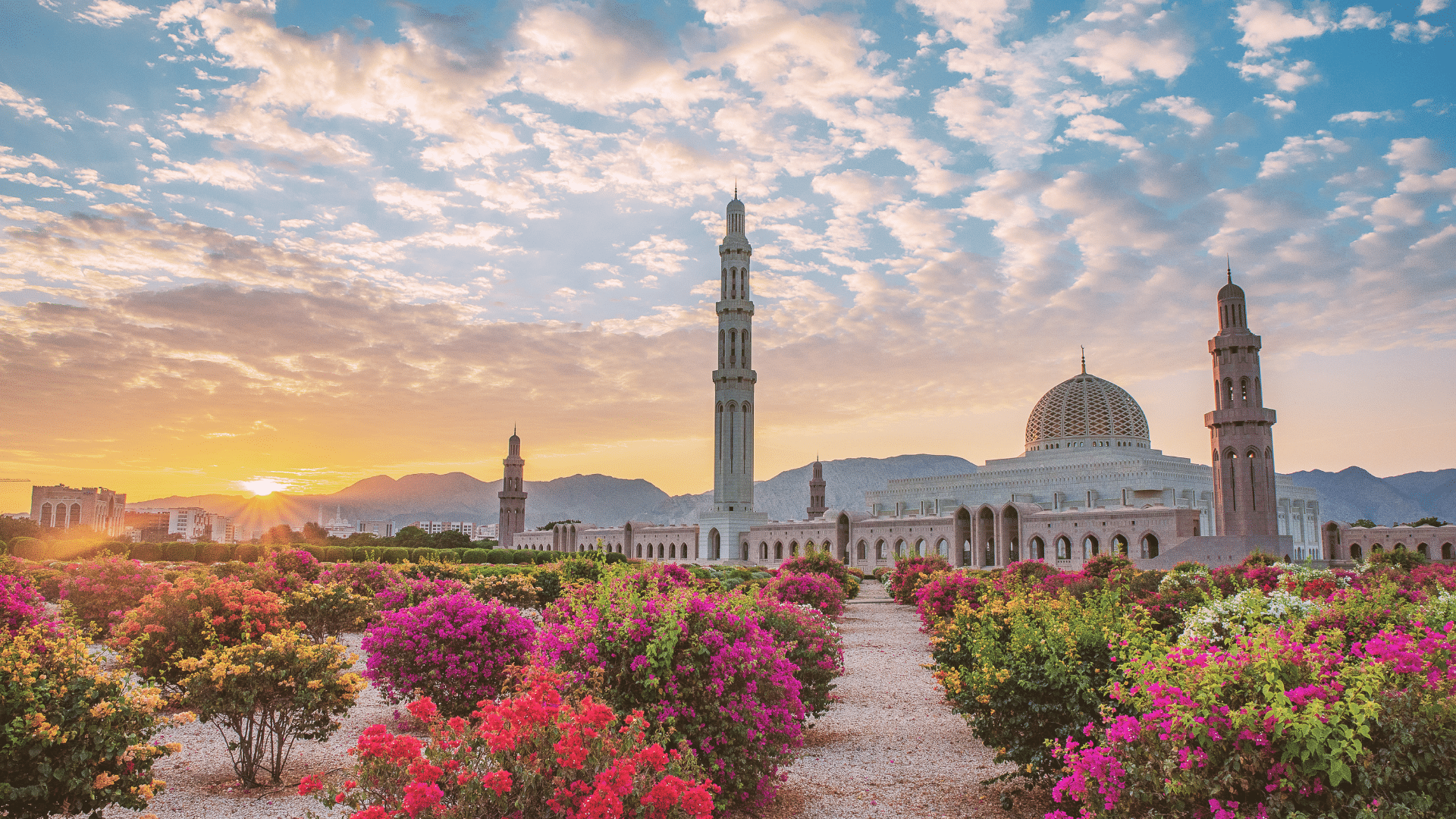
What It's Really Like Teaching English In Oman: A Teacher's Experience



Last Updated
October 19, 2026


Table of Contents
- Introduction
- Meet the Author
- Middle East expectations
- Challenges living and working
- Cultural differences
- What teachers should know
- Cost of living in Oman
- Social and expat scene
- Culture shock
- What you wish you'd known
- How has Oman shaped you?
- Would you recommend it?
- Final thoughts
Teaching English in Oman is rewarding, but it’s also an experience that demands patience, cultural awareness, and plenty of adaptability. Ashleigh, a TEFL-certified teacher with a Master’s degree in Education and more than three decades of experience in the classroom, has lived and taught in Oman along with her husband and three children.
In this post, Ashleigh explains what she wished she’d known before moving – including the heat, bureaucracy, cultural differences, family life, and all the weird and wonderful realities that come with teaching abroad!
Teaching in Oman: Key takeaways
- Expect a big adjustment: The heat, bureaucracy, and cultural differences can all take some getting used to.
- Respect local customs: Dress, prayer times, Ramadan, and social etiquette are all important parts of daily life.
- Prepare practically: Have all your important documents and permits organised before you fly out.
- Family life is rewarding: However, accommodation and schooling need to be considered carefully.
- Be adaptable: Experiences from our alumni show that patience and cultural curiosity are just as important as your teaching skills.
- Don’t expect home: Living in the Middle East involves getting acclimatised to a whole new way of life.
Meet the Author
Hi there! I’m Ashleigh, a TEFL-certified teacher with Master’s degree in Education and over 30 years of experience teaching English to students ranging from as young as three to corporate learners of Business English. I have taught students their first words in English and refined the language of B1 students to enable them to write the IELTS exam. I’ve had the privilege of working in various settings, from bustling urban classrooms to quieter rural schools, as well as online and corporate environments.
My journey into teaching abroad began with a desire for adventure and cultural immersion. I decided to start by exploring the Middle East, drawn to its rich history, diverse cultures, and unique teaching opportunities.
Did the Middle East live up to your expectations?
Before moving to the Middle East, I envisioned a region steeped in tradition, with a blend of modernity and ancient culture. I imagined vibrant markets, stunning landscapes, desert sands with camels, and warm hospitality. I listened to the fantastic national anthems and local music, researched their traditions and festivals and even tried to learn the basics of Arabic.
However, upon arrival, I faced a few surprises. I think the first thing that hit me when we landed was the heat! As I stepped out of the aeroplane, my glasses misted up, and I was drenched in sweat. Heat management soon became one of my life skills.
Another surprise was discovering that you really don’t need an alarm clock. The muezzin’s call to prayer starts early in the morning, long before you might think the day should begin, and before you know it, the whole family is awake.
One moment that shifted my perspective was my first encounter with the local education system. I expected a rigid structure, but I found a surprising openness to innovative teaching methods. Students were intrigued by my inventiveness and the novelty of my activities, as well as my immersive teaching approach. The warmth and friendliness of the locals also exceeded my expectations, making the transition smoother than I had anticipated.
Read more: Immersion Learning Explained
What are the biggest challenges living and working in Oman?
One small daily challenge that took me a while to adapt to was navigating the local traffic. A surprise for me was discovering that, like most countries around the world, driving here takes place on the right-hand side of the road. Coming from a country where driving is on the left, this required a significant adjustment!
Initially, navigating the chaotic roads and huge 8-lane circles with traffic lights while driving was overwhelming. I had to learn the nuances of driving here, including understanding the aggressive driving styles and the unspoken rules of the road, which include never gesturing in road rage. This is perceived as a huge insult and is not taken lightly.
Being in the Middle East, I discovered that gasoline is cheaper per litre than water, making car ownership affordable. Soon, driving became second nature, and I even grew to appreciate the thrill of the daily commute!
What are the cultural differences teachers should be aware of?
In my experience, locals generally view foreign English teachers with respect and curiosity. However, there are cultural nuances to be aware of.
Learning motivations
I did learn that the reasons for learning English could be quite different from what I might have assumed. In more senior settings, the focus was often on learning English for international communication rather than on transferring Western traditions or culture. In the classroom, however, my students were genuinely interested in culture and tradition, and there was a lovely sense of sharing both ways.
Dress code
It’s essential to be mindful of dress codes and keep your elbows and ankles covered. As a foreign woman, you are not required to cover your hair or wear an abaya, the black outerwear, but doing so may help you blend in more easily. I chose an elegant abaya decorated with embroidery and beadwork, along with a matching hijab, or headscarf.
Social etiquette
Be aware of social etiquette, especially in more conservative and rural areas. I felt welcomed by the community, but I quickly learned the importance of being respectful of local customs, such as extreme public modesty and understanding the significance of prayer times. During Ramadan, I refrained from eating or drinking in public during fasting hours out of respect for the religion and beliefs.
Safety
The sense of safety, in the absence of theft, reflected the high morals of the neighbourhood, where trust and community spirit seemed to permeate daily life. Adjusting to such a relaxed approach to personal property was refreshing and a little surprising, especially coming from a place where locking up is second nature. It was one of many small but meaningful ways in which living here challenged my assumptions and showed me a different pace and set of priorities, reinforcing how even the most ordinary routines can be shaped by the local culture and the warmth of its people.
I left a book in a taxi one day, and the driver returned to the same place at the same time every day until he found me and was able to return it. My husband once left his wallet in a souk. When we went back, it had been kept safe and was completely intact.

What should teachers know before moving to Oman?
I wish I had understood just how much adjustment would be required in ordinary everyday life.
I had researched Oman carefully before leaving South Africa. I had read about living in compounds, restrictions, dress codes and the expectations placed on women. In fact, some of the information I had found made Oman sound considerably more restrictive than I eventually experienced it. Discovering that was a huge relief.
The practical side was another matter.
One common issue I ran into when moving to Oman was the bureaucratic process involved in securing work visas and residency permits. If I were doing it again, I would get as many permits and documents as possible sorted out before leaving.
The bureaucratic process can be quite the adventure — time-consuming and occasionally frustrating! You’ll find yourself hearing “Insha’Allah” more often than you might expect. While the direct translation is “if Allah wills,” you’ll soon discover that it generally translates to “maybe”. So, buckle up for a journey filled with patience and a dash of humour!
The Middle East is broadly a no-alcohol area, although some expats can obtain an alcohol licence if their employer sponsors it. Alcohol is available in the clubs and in places where foreigners are served, although it can be costly.
It’s crucial to have unflappability and stay organised. Additionally, understanding the local salary expectations and cost of living is vital. Chicken and rice are the standard fare and can be bought very reasonably. Street food is also available, except during Ramadan. There is a gastronomic experience that can fit any budget. My favourite was shish kebab with tzatziki on a street corner, watching football matches on the big screen with the crowd that had gathered to cheer. However, should you want more selectivity in your diet, be prepared to pay for it.
And remember, no pork. You can buy these forbidden, or haraam, items in speciality stores, but I found that I did fine without them.
Another activity to be wary of is dancing. This may come as a surprise to some, especially for teachers accustomed to using Total Physical Response (TPR) in their teaching methods. While TPR often incorporates movement and actions to enhance language learning, certain styles of dance and dancing in public in general (unless it’s a traditional folk dance) is disapproved of in certain Middle Eastern countries. Teachers should adjust their instructional methods to ensure that classroom activities respect local customs and regulations.
My advice is simple: research the culture, learn some of the language, don’t assume your way is the only way. Most of all, arrive prepared to laugh at yourself.
Read more: Why The Middle East Remains A Top Destination For TEFL Teachers
What is the cost of living for teachers in Oman?
I think the hidden cost is probably the patience you need.
Things don’t always happen when you expect them to, and if you’re someone who likes everything organised, scheduled and delivered on time, the experience can test you.
There are financial surprises, too. Basic food can be very reasonably priced, and I found that taxi drivers sometimes expected you to barter, but if you have your own car, petrol is incredibly cheap.
If you have children, you’ll need to consider school fees unless your employer includes them in your package. Remember, as a foreigner, you may have to enrol your children in an international school.
The emotional cost is harder to put a price on. You’re not simply changing jobs. You’re changing the way you dress, shop, drive, socialise and sometimes even plan your day.
There were times when I found that exhausting.
I found that I could not compare life in the Middle East with life at home. In the end, I wasn’t there to recreate home in another country. I was there to experience somewhere different.
How did you find the social or expat scene in Oman?
My expat social life was certainly varied! Generally, I found the expat scene was great fun. The British and Canadian crowd were an absolute hoot, and there always seemed to be a reason to have a party. I also found the Malaysian community incredibly friendly and welcoming, with plenty of opportunities for camping and exploring the desert.
My experience with Omani people was a little different. They could seem quite reserved or formal initially, but once you took the time to build a relationship, I found the welcome could be wonderfully warm. We were invited into homes, enjoyed henna parties and even went out for simple treats such as Baskin-Robbins.
I should make an important qualification here: much of my social experience was female-to-female. Socialising across the gender divide is considerably more complicated and can require much more circumspection.
There were plenty of opportunities to connect with people outside the expat bubble too — exploring the souks, sharing taxis, watching football or simply talking to people in the neighbourhood.
For me, the combination of expat friendships and local relationships gave me a good balance. I could have familiar company when I wanted it while still learning how people lived around me.
Did you experience culture shock?
Oh yes. There were definitely moments when I wondered what on earth we had done!
Our promised furnished accommodation didn’t materialise as expected, and we arrived to find ourselves in one hotel room — me, my husband and our three girls.
The heat could also be devastating. I remember children becoming limp in the heat and running from one air-conditioned shop to another. During the hottest part of the day, shops and businesses could close, which took some getting used to.
Then there were the little things. Before translation apps were readily available, I spent two trips trying to find sugar because I couldn’t understand the packaging. I couldn’t read Arabic, and something as simple as shopping suddenly became an adventure.
The roads were another challenge. Roundabouts, changing lanes and very different attitudes towards speed limits certainly kept me alert.
What helped me was remembering why we had gone. I had decided beforehand that this was one of the best educations I could offer my children: different lands, different lifestyles, different people and the opportunity to travel.
And, quite honestly, I had a contract to honour!
More importantly, my teaching hours with my young men were the highlight of my day. I was busy looking after my family, preparing lessons, exploring the country, meeting people from different nationalities and trying to learn a new language. There wasn’t much time left for mulling over difficult moments.
I also tend to laugh at the absurd. That helped enormously.
Anything you’d wish you had known before moving to Oman?
I wish I had understood just how much the everyday things would change.
I had done a lot of research, but there are some things you simply can’t understand until you experience them.
I would have bought the local currency before leaving rather than changing money twice and paying exchange fees twice. I would also have made sure I had a very comprehensive travel medicine kit. My youngest daughter contracted German measles (rubella) somewhere between leaving home and landing in Oman, so we arrived with a sick child. Finding an English-speaking doctor was certainly not how I had imagined spending our first few days.
I honestly thought that coming from Africa would have prepared me for the heat, but that is absolutely not true! We taught on days reaching 49ºC. We also taught after Hurricane Gonu had ripped its way through Oman, and those long dresses I wore were perpetually soaked to the knee.
I think I may also have learned more Arabic before arriving.
But perhaps the biggest thing I would tell my past self is:
Don’t assume that your way is the normal way.
Research the culture, ask questions, learn some of the language and be prepared to get things wrong. You will.
And that’s okay.
How has living and teaching in Oman shaped you?
Personally, I blossomed in Oman.
Starting again in a new country with a family was difficult at first, but once we settled into our routine, I really began to enjoy it.
Teaching young men who were themselves experiencing their first time away from home was probably the greatest professional reward. I was given the freedom to use my own strengths and develop additional skills with them, and we developed a wonderful classroom camaraderie, with all due respect!
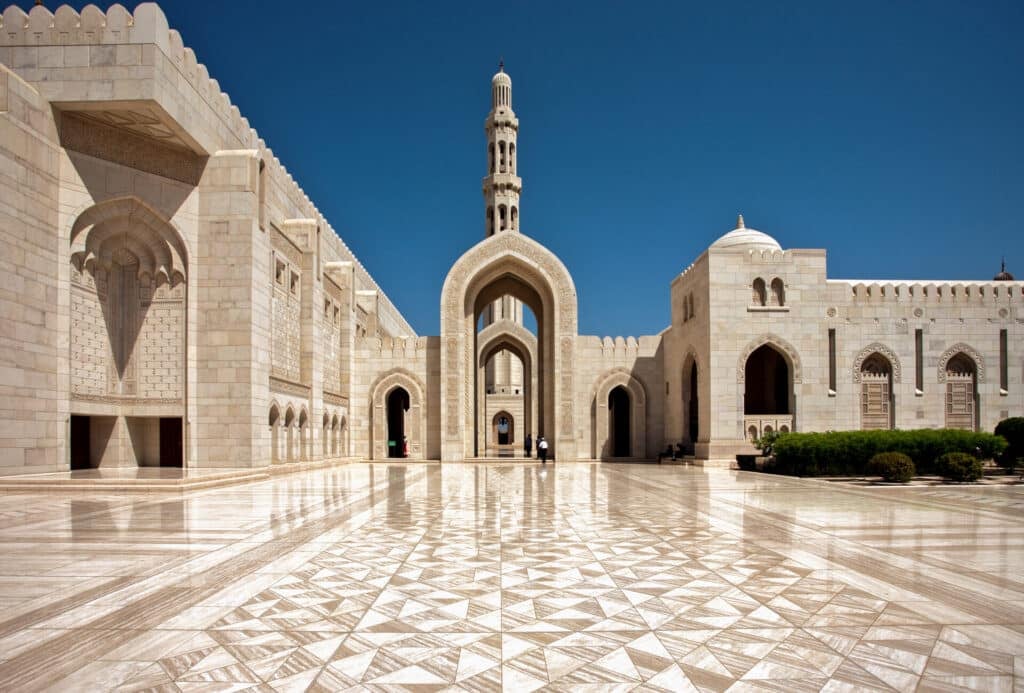
Some of my favourite memories happened outside the classroom: going out on a dhow, exploring a sunken shipwreck, visiting pink castles and, naturally, riding camels through the desert. It was fun watching beach football at sunset and letting my students teach my children how to get a coconut and crack it open.
They shared their culture with me, and I shared mine with them. That mutual exchange became one of the most rewarding parts of the whole experience.
It also changed the way I teach. I became much more aware that language doesn’t exist separately from culture. If you want to teach people effectively, you need to understand something about the world they live in.
And I learned something about myself too. I became more adaptable, more observant and much less bothered when things didn’t go according to plan.
I went to Oman expecting to teach English.
I came away having learned an enormous amount myself.
Read more: Best Places To Teach Abroad With A Family
Would you recommend teaching in the Middle East?
I would recommend the Oman I experienced, but I won’t pretend it is the right destination for everyone.
For a teacher, I think you need curiosity, patience and a willingness to laugh when things don’t go according to plan.
Most importantly, you need to know which parts of yourself you’re willing to adapt — and which parts you’re not.
Would I do it again?
Yes. Absolutely.
Final thoughts
If you’re considering teaching in the Middle East, go with your eyes open.
Don’t expect it to be like home. That’s rather the point.
I went to Oman expecting to teach English. I left with a much bigger understanding of how little any of us should assume about the way other people live. And perhaps that’s the best reason to teach abroad: not simply to teach, but to be prepared to learn.
Read more: Living And Teaching In The Middle East As A Woman
Author Bio
Table of Contents
- Introduction
- Meet the Author
- Middle East expectations
- Challenges living and working
- Cultural differences
- What teachers should know
- Cost of living in Oman
- Social and expat scene
- Culture shock
- What you wish you'd known
- How has Oman shaped you?
- Would you recommend it?
- Final thoughts
Teaching English in Oman is rewarding, but it’s also an experience that demands patience, cultural awareness, and plenty of adaptability. Ashleigh, a TEFL-certified teacher with a Master’s degree in Education and more than three decades of experience in the classroom, has lived and taught in Oman along with her husband and three children.
In this post, Ashleigh explains what she wished she’d known before moving – including the heat, bureaucracy, cultural differences, family life, and all the weird and wonderful realities that come with teaching abroad!
Teaching in Oman: Key takeaways
- Expect a big adjustment: The heat, bureaucracy, and cultural differences can all take some getting used to.
- Respect local customs: Dress, prayer times, Ramadan, and social etiquette are all important parts of daily life.
- Prepare practically: Have all your important documents and permits organised before you fly out.
- Family life is rewarding: However, accommodation and schooling need to be considered carefully.
- Be adaptable: Experiences from our alumni show that patience and cultural curiosity are just as important as your teaching skills.
- Don’t expect home: Living in the Middle East involves getting acclimatised to a whole new way of life.
Meet the Author
Hi there! I’m Ashleigh, a TEFL-certified teacher with Master’s degree in Education and over 30 years of experience teaching English to students ranging from as young as three to corporate learners of Business English. I have taught students their first words in English and refined the language of B1 students to enable them to write the IELTS exam. I’ve had the privilege of working in various settings, from bustling urban classrooms to quieter rural schools, as well as online and corporate environments.
My journey into teaching abroad began with a desire for adventure and cultural immersion. I decided to start by exploring the Middle East, drawn to its rich history, diverse cultures, and unique teaching opportunities.
Did the Middle East live up to your expectations?
Before moving to the Middle East, I envisioned a region steeped in tradition, with a blend of modernity and ancient culture. I imagined vibrant markets, stunning landscapes, desert sands with camels, and warm hospitality. I listened to the fantastic national anthems and local music, researched their traditions and festivals and even tried to learn the basics of Arabic.
However, upon arrival, I faced a few surprises. I think the first thing that hit me when we landed was the heat! As I stepped out of the aeroplane, my glasses misted up, and I was drenched in sweat. Heat management soon became one of my life skills.
Another surprise was discovering that you really don’t need an alarm clock. The muezzin’s call to prayer starts early in the morning, long before you might think the day should begin, and before you know it, the whole family is awake.
One moment that shifted my perspective was my first encounter with the local education system. I expected a rigid structure, but I found a surprising openness to innovative teaching methods. Students were intrigued by my inventiveness and the novelty of my activities, as well as my immersive teaching approach. The warmth and friendliness of the locals also exceeded my expectations, making the transition smoother than I had anticipated.
Read more: Immersion Learning Explained
What are the biggest challenges living and working in Oman?
One small daily challenge that took me a while to adapt to was navigating the local traffic. A surprise for me was discovering that, like most countries around the world, driving here takes place on the right-hand side of the road. Coming from a country where driving is on the left, this required a significant adjustment!
Initially, navigating the chaotic roads and huge 8-lane circles with traffic lights while driving was overwhelming. I had to learn the nuances of driving here, including understanding the aggressive driving styles and the unspoken rules of the road, which include never gesturing in road rage. This is perceived as a huge insult and is not taken lightly.
Being in the Middle East, I discovered that gasoline is cheaper per litre than water, making car ownership affordable. Soon, driving became second nature, and I even grew to appreciate the thrill of the daily commute!
What are the cultural differences teachers should be aware of?
In my experience, locals generally view foreign English teachers with respect and curiosity. However, there are cultural nuances to be aware of.
Learning motivations
I did learn that the reasons for learning English could be quite different from what I might have assumed. In more senior settings, the focus was often on learning English for international communication rather than on transferring Western traditions or culture. In the classroom, however, my students were genuinely interested in culture and tradition, and there was a lovely sense of sharing both ways.
Dress code
It’s essential to be mindful of dress codes and keep your elbows and ankles covered. As a foreign woman, you are not required to cover your hair or wear an abaya, the black outerwear, but doing so may help you blend in more easily. I chose an elegant abaya decorated with embroidery and beadwork, along with a matching hijab, or headscarf.
Social etiquette
Be aware of social etiquette, especially in more conservative and rural areas. I felt welcomed by the community, but I quickly learned the importance of being respectful of local customs, such as extreme public modesty and understanding the significance of prayer times. During Ramadan, I refrained from eating or drinking in public during fasting hours out of respect for the religion and beliefs.
Safety
The sense of safety, in the absence of theft, reflected the high morals of the neighbourhood, where trust and community spirit seemed to permeate daily life. Adjusting to such a relaxed approach to personal property was refreshing and a little surprising, especially coming from a place where locking up is second nature. It was one of many small but meaningful ways in which living here challenged my assumptions and showed me a different pace and set of priorities, reinforcing how even the most ordinary routines can be shaped by the local culture and the warmth of its people.
I left a book in a taxi one day, and the driver returned to the same place at the same time every day until he found me and was able to return it. My husband once left his wallet in a souk. When we went back, it had been kept safe and was completely intact.
What should teachers know before moving to Oman?
I wish I had understood just how much adjustment would be required in ordinary everyday life.
I had researched Oman carefully before leaving South Africa. I had read about living in compounds, restrictions, dress codes and the expectations placed on women. In fact, some of the information I had found made Oman sound considerably more restrictive than I eventually experienced it. Discovering that was a huge relief.
The practical side was another matter.
One common issue I ran into when moving to Oman was the bureaucratic process involved in securing work visas and residency permits. If I were doing it again, I would get as many permits and documents as possible sorted out before leaving.
The bureaucratic process can be quite the adventure — time-consuming and occasionally frustrating! You’ll find yourself hearing “Insha’Allah” more often than you might expect. While the direct translation is “if Allah wills,” you’ll soon discover that it generally translates to “maybe”. So, buckle up for a journey filled with patience and a dash of humour!
The Middle East is broadly a no-alcohol area, although some expats can obtain an alcohol licence if their employer sponsors it. Alcohol is available in the clubs and in places where foreigners are served, although it can be costly.
It’s crucial to have unflappability and stay organised. Additionally, understanding the local salary expectations and cost of living is vital. Chicken and rice are the standard fare and can be bought very reasonably. Street food is also available, except during Ramadan. There is a gastronomic experience that can fit any budget. My favourite was shish kebab with tzatziki on a street corner, watching football matches on the big screen with the crowd that had gathered to cheer. However, should you want more selectivity in your diet, be prepared to pay for it.
And remember, no pork. You can buy these forbidden, or haraam, items in speciality stores, but I found that I did fine without them.
Another activity to be wary of is dancing. This may come as a surprise to some, especially for teachers accustomed to using Total Physical Response (TPR) in their teaching methods. While TPR often incorporates movement and actions to enhance language learning, certain styles of dance and dancing in public in general (unless it’s a traditional folk dance) is disapproved of in certain Middle Eastern countries. Teachers should adjust their instructional methods to ensure that classroom activities respect local customs and regulations.
My advice is simple: research the culture, learn some of the language, don’t assume your way is the only way. Most of all, arrive prepared to laugh at yourself.
Read more: Why The Middle East Remains A Top Destination For TEFL Teachers
What is the cost of living for teachers in Oman?
I think the hidden cost is probably the patience you need.
Things don’t always happen when you expect them to, and if you’re someone who likes everything organised, scheduled and delivered on time, the experience can test you.
There are financial surprises, too. Basic food can be very reasonably priced, and I found that taxi drivers sometimes expected you to barter, but if you have your own car, petrol is incredibly cheap.
If you have children, you’ll need to consider school fees unless your employer includes them in your package. Remember, as a foreigner, you may have to enrol your children in an international school.
The emotional cost is harder to put a price on. You’re not simply changing jobs. You’re changing the way you dress, shop, drive, socialise and sometimes even plan your day.
There were times when I found that exhausting.
I found that I could not compare life in the Middle East with life at home. In the end, I wasn’t there to recreate home in another country. I was there to experience somewhere different.
How did you find the social or expat scene in Oman?
My expat social life was certainly varied! Generally, I found the expat scene was great fun. The British and Canadian crowd were an absolute hoot, and there always seemed to be a reason to have a party. I also found the Malaysian community incredibly friendly and welcoming, with plenty of opportunities for camping and exploring the desert.
My experience with Omani people was a little different. They could seem quite reserved or formal initially, but once you took the time to build a relationship, I found the welcome could be wonderfully warm. We were invited into homes, enjoyed henna parties and even went out for simple treats such as Baskin-Robbins.
I should make an important qualification here: much of my social experience was female-to-female. Socialising across the gender divide is considerably more complicated and can require much more circumspection.
There were plenty of opportunities to connect with people outside the expat bubble too — exploring the souks, sharing taxis, watching football or simply talking to people in the neighbourhood.
For me, the combination of expat friendships and local relationships gave me a good balance. I could have familiar company when I wanted it while still learning how people lived around me.
Did you experience culture shock?
Oh yes. There were definitely moments when I wondered what on earth we had done!
Our promised furnished accommodation didn’t materialise as expected, and we arrived to find ourselves in one hotel room — me, my husband and our three girls.
The heat could also be devastating. I remember children becoming limp in the heat and running from one air-conditioned shop to another. During the hottest part of the day, shops and businesses could close, which took some getting used to.
Then there were the little things. Before translation apps were readily available, I spent two trips trying to find sugar because I couldn’t understand the packaging. I couldn’t read Arabic, and something as simple as shopping suddenly became an adventure.
The roads were another challenge. Roundabouts, changing lanes and very different attitudes towards speed limits certainly kept me alert.
What helped me was remembering why we had gone. I had decided beforehand that this was one of the best educations I could offer my children: different lands, different lifestyles, different people and the opportunity to travel.
And, quite honestly, I had a contract to honour!
More importantly, my teaching hours with my young men were the highlight of my day. I was busy looking after my family, preparing lessons, exploring the country, meeting people from different nationalities and trying to learn a new language. There wasn’t much time left for mulling over difficult moments.
I also tend to laugh at the absurd. That helped enormously.
Anything you’d wish you had known before moving to Oman?
I wish I had understood just how much the everyday things would change.
I had done a lot of research, but there are some things you simply can’t understand until you experience them.
I would have bought the local currency before leaving rather than changing money twice and paying exchange fees twice. I would also have made sure I had a very comprehensive travel medicine kit. My youngest daughter contracted German measles (rubella) somewhere between leaving home and landing in Oman, so we arrived with a sick child. Finding an English-speaking doctor was certainly not how I had imagined spending our first few days.
I honestly thought that coming from Africa would have prepared me for the heat, but that is absolutely not true! We taught on days reaching 49ºC. We also taught after Hurricane Gonu had ripped its way through Oman, and those long dresses I wore were perpetually soaked to the knee.
I think I may also have learned more Arabic before arriving.
But perhaps the biggest thing I would tell my past self is:
Don’t assume that your way is the normal way.
Research the culture, ask questions, learn some of the language and be prepared to get things wrong. You will.
And that’s okay.
How has living and teaching in Oman shaped you?
Personally, I blossomed in Oman.
Starting again in a new country with a family was difficult at first, but once we settled into our routine, I really began to enjoy it.
Teaching young men who were themselves experiencing their first time away from home was probably the greatest professional reward. I was given the freedom to use my own strengths and develop additional skills with them, and we developed a wonderful classroom camaraderie, with all due respect!
Some of my favourite memories happened outside the classroom: going out on a dhow, exploring a sunken shipwreck, visiting pink castles and, naturally, riding camels through the desert. It was fun watching beach football at sunset and letting my students teach my children how to get a coconut and crack it open.
They shared their culture with me, and I shared mine with them. That mutual exchange became one of the most rewarding parts of the whole experience.
It also changed the way I teach. I became much more aware that language doesn’t exist separately from culture. If you want to teach people effectively, you need to understand something about the world they live in.
And I learned something about myself too. I became more adaptable, more observant and much less bothered when things didn’t go according to plan.
I went to Oman expecting to teach English.
I came away having learned an enormous amount myself.
Read more: Best Places To Teach Abroad With A Family
Would you recommend teaching in the Middle East?
I would recommend the Oman I experienced, but I won’t pretend it is the right destination for everyone.
For a teacher, I think you need curiosity, patience and a willingness to laugh when things don’t go according to plan.
Most importantly, you need to know which parts of yourself you’re willing to adapt — and which parts you’re not.
Would I do it again?
Yes. Absolutely.
Final thoughts
If you’re considering teaching in the Middle East, go with your eyes open.
Don’t expect it to be like home. That’s rather the point.
I went to Oman expecting to teach English. I left with a much bigger understanding of how little any of us should assume about the way other people live. And perhaps that’s the best reason to teach abroad: not simply to teach, but to be prepared to learn.
Read more: Living And Teaching In The Middle East As A Woman
Author Bio