 United States
US
United States
US









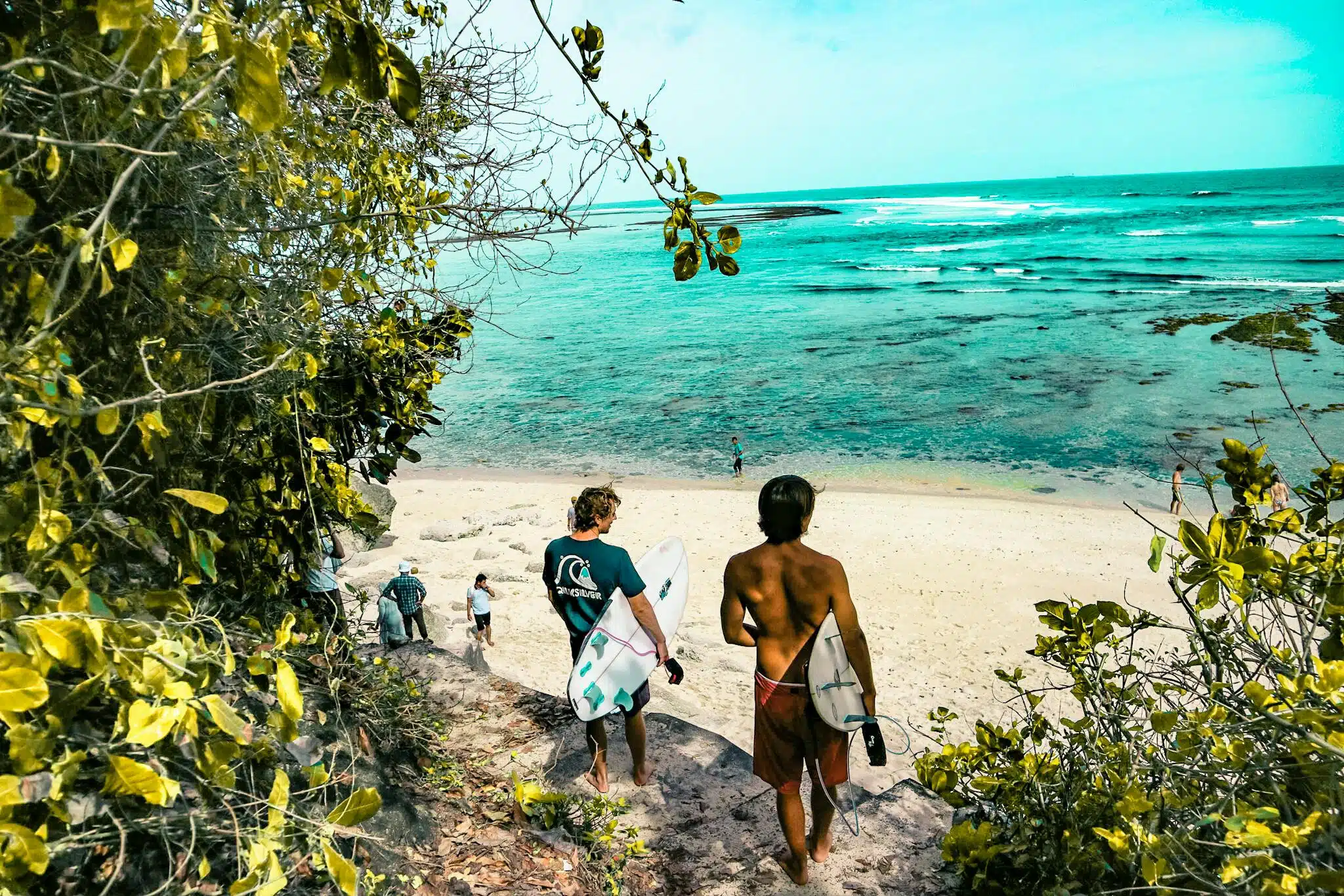
What Is The Cost Of Living In Bali: We Asked Our TEFL Teachers


 December 11, 2025


Table of Contents
- Introduction
- TEFL teacher salaries in Bali
- Total monthly cost of living in Bali
- Housing
- Food & groceries
- Transportation
- Utilities & internet
- Health Insurance & taxes
- Leisure & entertainment costs
- Urban vs rural cost of living
- How much do I need per month?
- How much do teachers earn?
- How to budget & save in Bali
- Final thoughts
If you’re dreaming of swapping your morning commute for scooter rides past rice paddies and your packed lunch for nasi goreng on the beach, Bali might be calling your name.
Bali has long been a hotspot for TEFL teachers, digital nomads, and remote workers looking for a slower pace of life (without giving up too many comforts).
Is Bali cheap to live in? But is it still as affordable as everyone says?
After teaching online and living in Bali on and off for the past six years, I’ve got a pretty good sense of what it actually costs to live here as a TEFL teacher.
From housing and transport to daily coffees and yoga classes, read on for a real breakdown of what you can expect to spend living and working in a tropical paradise.

TEFL teacher salaries in Bali
Most of us teaching in Bali do it online, whether it’s freelancing, private students, or through a platform. It’s a great place to be based if you’re earning in USD, GBP, or EUR, thanks to the lower cost of living.
Some teachers earn around $500/month part-time, while others bring in $2,000+ with regular students or higher-paying clients.
It all depends on your hours, setup, and experience.
There are also in-person teaching roles at local language centres or international schools, but they tend to pay less, usually between Rp 10–20 million (rupiah) a month ($600 – $1,300 USD). These jobs also tend to be more structured, so they’re less common among TEFL travellers looking for flexibility.
A lot of people mix and match, teaching online, freelancing, or even dipping into savings, while enjoying a slower pace of life. With Bali’s lower cost of living, you don’t need to earn loads to live comfortably here.
Read more: Teach English Online: Everything You Need To Know
Total monthly cost of living in Bali
Right now, I’m based in Uluwatu, a clifftop gem on the southern tip of Bali. It’s best known for its dramatic beaches, surf breaks, wellness cafés, and a growing expat crowd. It’s also one of the more expensive parts of the island.
That said, Bali is diverse. Whether you’re drawn to the hustle and bustle of Canggu, the jungle calm of Ubud, or quieter towns like Sanur or Amed, what you spend each month will vary. I’ll give price comparisons throughout so you can gauge what suits your budget and lifestyle.
Housing
Accommodation in Bali ranges from basic budget homestays to private luxury villas.
To give you a better idea of costs, I currently pay Rp 8.5 million a month ($530) for a private en-suite room with a separate entrance in Uluwatu (one of the pricier areas in Bali). It includes access to a shared kitchen, lounge, laundry, and a weekly cleaning service.
One of my favourite things about living in Uluwatu? Beyond the beautiful views? The community. Uluwatu is full of people doing interesting things – creatives, teachers, remote workers – and it’s a great place to make like-minded friends.
If you’re staying somewhere more inland or less touristy (like parts of Ubud, North Canggu, or north of Seminyak), you’ll likely pay quite a bit less for similar amenities – sometimes 30–50% cheaper than the south coast.
Here’s a rough breakdown of long-term accommodation prices around the island:
- Budget homestay room (basic, local-style): Rp 3–5 million a month ($185–$310)
- Private room in a shared villa (with kitchen/pool access): Rp 5–8 million a month ($310–$500)
- 1-bedroom private villa (often with pool): Rp 8–15 million a month ($500–$930)
My top tip: If you’re staying long-term, negotiate your rent directly or look through Facebook/WhatsApp groups for better deals than Airbnb. And if you’re open to inland or quieter areas, you’ll often find places for 30–50% less.

Food & groceries
Bali is a foodie’s dream! But how much you spend really depends on your lifestyle and how often you eat out. You can really choose your own adventure here.
Personally, I like to cook breakfast at home and eat out for lunch and dinner. I try to balance it: local food for budget days, western spots when I feel like a treat.
Here’s what I typically spend:
- Local meals (like nasi campur or mie goreng): around Rp 35,000 ($2.20 USD)
- Western meals (smoothie bowls, salads, burgers, etc): anywhere from Rp 60,000 – 120,000 ($4–$7.50)
- Coffee: Rp 30,000–60,000 ($2–$3.50)
Honestly, most people eat out, and I totally get why. It’s easy, affordable, and the café culture is pretty addictive. But if you’re someone who enjoys cooking, grocery prices vary:
- Fresh fruit and veg from local markets: super cheap and great quality
- Imported goods (plant-based milks, pasta sauce, hummus, chocolate): can add up quickly
- Mid-range grocery shop (at places like Pepito or Popular): around Rp 500,000 – 800,000 a week ($30–$50), depending on your habits
If you’re on a tight budget, sticking to warungs (local eateries) and buying produce from markets will go a long way. But if you’re used to Western food or have dietary preferences, it’s worth factoring in slightly higher food costs, especially in areas like Uluwatu, Canggu, or Seminyak.
Transportation
Scooters are the main (and certainly the most fun) way to get around Bali. You have the option of driving your own scooter or hopping on a scooter taxi to get around. Cars are also available, and a nice option for when it’s raining.
I rent a Honda Vario for Rp 1.3 million a month ($80), which is a pretty standard rate in popular areas like Uluwatu or Canggu. In more local or quieter parts of Bali, you might pay slightly less.
Petrol is cheap: a full tank costs around Rp 45,000 ($2.80) and lasts a week or two, depending on how much you ride.
If you’re not comfortable riding a scooter (totally fair, traffic can be a lot at first), Grab and Gojek are your best friends. These apps work like Uber and offer motorbike taxis or cars:
- Short scooter rides: Rp 10,000–30,000 ($0.60–$2)
- Longer car rides (e.g. airport to Canggu): Rp 150,000–300,000 ($9–$18)
Top tip: If you’re staying long-term, learning to ride a scooter gives you a lot more freedom. Always wear a helmet, take it slow, and don’t worry… everyone feels a bit wobbly at first.

Utilities & internet
Good news! Utilities in Bali are usually very affordable, and most monthly rentals include them in the price (especially if you’re staying in a guesthouse or co-living space).
Your accommodation will likely include electricity, water, weekly cleaning, wifi, and laundry facilities.
If utilities aren’t included (for example, at a private villa), here’s a rough idea of costs:
- Electricity: Rp 300,000–800,000 a month ($18 – $50), depending on AC usage
- Wi-Fi (standalone): Rp 300,000–500,000 a month ($18–$30) for decent fibre
- Water: Often minimal or included
- Drinking water: Most people buy large refillable gallons (~Rp 20,000 /$1.25 each)
As for internet, I’ve had a solid experience working online from both cafés and home. My accommodation has reliable wifi, and I also use a Telkomsel eSIM, which costs around Rp 200,000 /month ($12), which gives me plenty of data. The signal is strong across most areas in Bali.
Good to know: Always test the wifi speed before committing to a long-term stay if you’re teaching online. Most hosts will let you run a quick speed test.
If you prefer a more structured work environment, co-working spaces are a great option across Bali. Most offer high-speed internet, air conditioning, café access, and a community of remote workers. Expect to pay around Rp 1.5 to 3 million a month ($90–$180) for a membership, depending on the location and how often you plan to use the space.
Read more: Is Bali A Good Choice For Digital Nomads?
Health Insurance & taxes
If you’re teaching online while living in Bali, you’re typically considered a tourist or digital nomad, which means you’ll need to arrange your own health insurance. Look for international plans that cover outpatient care, emergencies, and any activities you’ll be doing (like riding a scooter or surfing).
As for taxes, most remote workers in Bali don’t pay Indonesian tax, but this depends on your visa type and how long you stay. It’s a good idea to check the tax laws in your home country and speak to a professional if you’re unsure.
In short: sort your own insurance, keep good records, and do your homework on residency rules.
Read more: Do I Have To Pay Tax When Teaching English Abroad
Leisure & entertainment costs
Bali offers endless ways to unwind, and how much you spend really depends on your lifestyle.
You can enjoy sunset beach hangs, scenic hikes, or local markets for next to nothing. A casual meal out might cost Rp 40k–80k ($2.50–$5), while drinks at a beach club or bar can range from Rp 100k–200k ($6–$12) per cocktail.
Fitness, wellness, and events can add up if you’re into that scene. For example, yoga classes are usually Rp 130k–170k ($8–$11), and weekend events or music nights vary widely depending on the venue.
The beauty of Bali is that it caters to every budget. Whether you’re into surf lessons, scuba diving, live DJs, or slow weekends exploring the island’s incredible nature, there’s always something to do to fit your lifestyle and budget.

Comparison of urban vs rural cost of living
Where you base yourself in Bali makes a big difference to your monthly spend.
More urban, tourist and expat-heavy areas like Canggu, Uluwatu, and Seminyak tend to be pricier, especially when it comes to accommodation, cafés, and wellness clubs/fitness studios. You’re paying for the convenience, community, and Western comforts.
Head inland to places like Ubud or smaller, lesser-known villages, and your money stretches much further. Rent drops by 30–50%, meals are cheaper, and you’ll likely find a slower, more local pace of life.
If you’re happy with simpler living and want to save, rural Bali is a great option. But if you’re after co-working spaces, social events, and oat milk lattes on demand, the coastal hubs are where it’s at – just be sure to budget accordingly.
How much do I need per month in Bali?
Most TEFL teachers in Bali spend between Rp 18 million ($1,100) and Rp30 million ($1,800) each month, depending on lifestyle, accommodation type, and whether you live in tourist hubs like Canggu or more affordable areas like Ubud.
How much do TEFL teachers earn in Bali?
There are a few language centres, local schools and international schools around Bali – like English1, for example – but these jobs are obviously in high demand. Salaries for TEFL teachers in these positions vary from Rp 8 million – Rp 30 million ($500 – $1,800).
International schools pay more, and experienced and highly-qualified teachers earn more.
However, the majority of TEFL teachers in Bali live on the island and work as digital nomads. The question of how much you can earn as a digital nomad depends on how much you want to work.
How to budget & save as a TEFL teacher in Bali
Living in Bali can be as affordable or as indulgent as you make it. If you’re earning a modest income from teaching online, here are a few ways to stretch it further, without missing out on the good stuff.
- Eat local when you can. Warungs (local eateries) serve delicious, filling meals for a fraction of what you’d pay at a Western café. A plate of nasi campur costs about Rp 35k (just over $2).
- Rent smart. Monthly rates are almost always cheaper than Airbnb. Look in Facebook or WhatsApp groups and be ready to negotiate.
- Skip the daily café habit. Those cappuccinos add up fast. Sometimes I find myself spending more on coffee than on meals! If you’re budgeting, try making coffee at home and saving cafés for when you’re working or meeting friends.
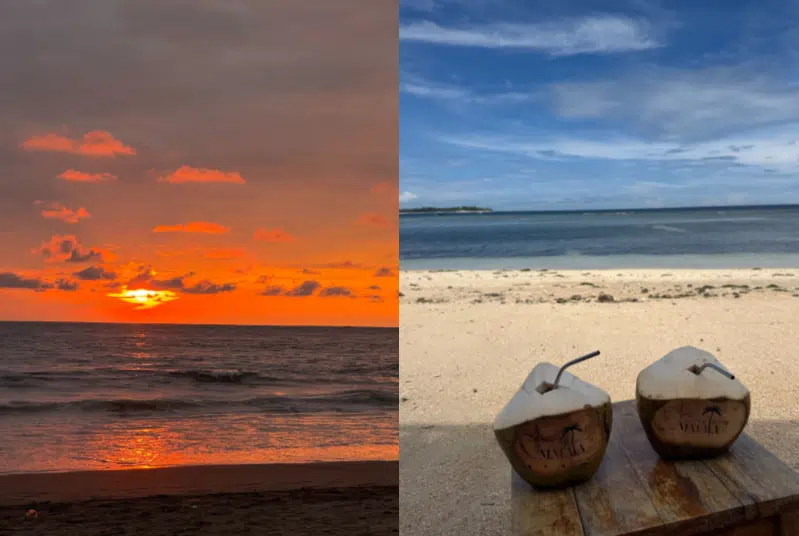
- Avoid tourist traps. Beach clubs, imported wine, and fancy brunch spots are fun, but not cheap. Balance these with free or more affordable (and arguably better) options – sunset swims, chasing waterfalls, coconuts on the beach, or walks through the rice terraces.
- Share transport. If you’re not comfortable riding a scooter yet, use ride-hailing apps like Grab or Gojek. When heading out of town in a car, try to split costs with a friend.
Being intentional with your spending goes a long way here. With a few tweaks, you can live really well, even on a part-time income.
Final thoughts
Bali really can be a dream base if you’re teaching online, but it’s not just sunshine and smoothies (though there’s plenty of that too!).
Like anywhere, it depends on how you set things up. If you’re smart about your spending and realistic about your income, it’s totally possible to live well without burning through your savings. You don’t need to be on a shoestring budget (unless you want to be), and there’s a lifestyle to suit pretty much every type of teacher.
Whether you’re here for a short stint or planning to stay longer, Bali has a way of drawing you in. And if you play it right, it’s one of the best places to do what they call “TEFL life”!
Read more: How Teaching English Online Can Help You Travel The World
Author Bio
Table of Contents
- Introduction
- TEFL teacher salaries in Bali
- Total monthly cost of living in Bali
- Housing
- Food & groceries
- Transportation
- Utilities & internet
- Health Insurance & taxes
- Leisure & entertainment costs
- Urban vs rural cost of living
- How much do I need per month?
- How much do teachers earn?
- How to budget & save in Bali
- Final thoughts
If you’re dreaming of swapping your morning commute for scooter rides past rice paddies and your packed lunch for nasi goreng on the beach, Bali might be calling your name.
Bali has long been a hotspot for TEFL teachers, digital nomads, and remote workers looking for a slower pace of life (without giving up too many comforts).
Is Bali cheap to live in? But is it still as affordable as everyone says?
After teaching online and living in Bali on and off for the past six years, I’ve got a pretty good sense of what it actually costs to live here as a TEFL teacher.
From housing and transport to daily coffees and yoga classes, read on for a real breakdown of what you can expect to spend living and working in a tropical paradise.
TEFL teacher salaries in Bali
Most of us teaching in Bali do it online, whether it’s freelancing, private students, or through a platform. It’s a great place to be based if you’re earning in USD, GBP, or EUR, thanks to the lower cost of living.
Some teachers earn around $500/month part-time, while others bring in $2,000+ with regular students or higher-paying clients.
It all depends on your hours, setup, and experience.
There are also in-person teaching roles at local language centres or international schools, but they tend to pay less, usually between Rp 10–20 million (rupiah) a month ($600 – $1,300 USD). These jobs also tend to be more structured, so they’re less common among TEFL travellers looking for flexibility.
A lot of people mix and match, teaching online, freelancing, or even dipping into savings, while enjoying a slower pace of life. With Bali’s lower cost of living, you don’t need to earn loads to live comfortably here.
Read more: Teach English Online: Everything You Need To Know
Total monthly cost of living in Bali
Right now, I’m based in Uluwatu, a clifftop gem on the southern tip of Bali. It’s best known for its dramatic beaches, surf breaks, wellness cafés, and a growing expat crowd. It’s also one of the more expensive parts of the island.
That said, Bali is diverse. Whether you’re drawn to the hustle and bustle of Canggu, the jungle calm of Ubud, or quieter towns like Sanur or Amed, what you spend each month will vary. I’ll give price comparisons throughout so you can gauge what suits your budget and lifestyle.
Housing
Accommodation in Bali ranges from basic budget homestays to private luxury villas.
To give you a better idea of costs, I currently pay Rp 8.5 million a month ($530) for a private en-suite room with a separate entrance in Uluwatu (one of the pricier areas in Bali). It includes access to a shared kitchen, lounge, laundry, and a weekly cleaning service.
One of my favourite things about living in Uluwatu? Beyond the beautiful views? The community. Uluwatu is full of people doing interesting things – creatives, teachers, remote workers – and it’s a great place to make like-minded friends.
If you’re staying somewhere more inland or less touristy (like parts of Ubud, North Canggu, or north of Seminyak), you’ll likely pay quite a bit less for similar amenities – sometimes 30–50% cheaper than the south coast.
Here’s a rough breakdown of long-term accommodation prices around the island:
- Budget homestay room (basic, local-style): Rp 3–5 million a month ($185–$310)
- Private room in a shared villa (with kitchen/pool access): Rp 5–8 million a month ($310–$500)
- 1-bedroom private villa (often with pool): Rp 8–15 million a month ($500–$930)
My top tip: If you’re staying long-term, negotiate your rent directly or look through Facebook/WhatsApp groups for better deals than Airbnb. And if you’re open to inland or quieter areas, you’ll often find places for 30–50% less.
Food & groceries
Bali is a foodie’s dream! But how much you spend really depends on your lifestyle and how often you eat out. You can really choose your own adventure here.
Personally, I like to cook breakfast at home and eat out for lunch and dinner. I try to balance it: local food for budget days, western spots when I feel like a treat.
Here’s what I typically spend:
- Local meals (like nasi campur or mie goreng): around Rp 35,000 ($2.20 USD)
- Western meals (smoothie bowls, salads, burgers, etc): anywhere from Rp 60,000 – 120,000 ($4–$7.50)
- Coffee: Rp 30,000–60,000 ($2–$3.50)
Honestly, most people eat out, and I totally get why. It’s easy, affordable, and the café culture is pretty addictive. But if you’re someone who enjoys cooking, grocery prices vary:
- Fresh fruit and veg from local markets: super cheap and great quality
- Imported goods (plant-based milks, pasta sauce, hummus, chocolate): can add up quickly
- Mid-range grocery shop (at places like Pepito or Popular): around Rp 500,000 – 800,000 a week ($30–$50), depending on your habits
If you’re on a tight budget, sticking to warungs (local eateries) and buying produce from markets will go a long way. But if you’re used to Western food or have dietary preferences, it’s worth factoring in slightly higher food costs, especially in areas like Uluwatu, Canggu, or Seminyak.
Transportation
Scooters are the main (and certainly the most fun) way to get around Bali. You have the option of driving your own scooter or hopping on a scooter taxi to get around. Cars are also available, and a nice option for when it’s raining.
I rent a Honda Vario for Rp 1.3 million a month ($80), which is a pretty standard rate in popular areas like Uluwatu or Canggu. In more local or quieter parts of Bali, you might pay slightly less.
Petrol is cheap: a full tank costs around Rp 45,000 ($2.80) and lasts a week or two, depending on how much you ride.
If you’re not comfortable riding a scooter (totally fair, traffic can be a lot at first), Grab and Gojek are your best friends. These apps work like Uber and offer motorbike taxis or cars:
- Short scooter rides: Rp 10,000–30,000 ($0.60–$2)
- Longer car rides (e.g. airport to Canggu): Rp 150,000–300,000 ($9–$18)
Top tip: If you’re staying long-term, learning to ride a scooter gives you a lot more freedom. Always wear a helmet, take it slow, and don’t worry… everyone feels a bit wobbly at first.
Utilities & internet
Good news! Utilities in Bali are usually very affordable, and most monthly rentals include them in the price (especially if you’re staying in a guesthouse or co-living space).
Your accommodation will likely include electricity, water, weekly cleaning, wifi, and laundry facilities.
If utilities aren’t included (for example, at a private villa), here’s a rough idea of costs:
- Electricity: Rp 300,000–800,000 a month ($18 – $50), depending on AC usage
- Wi-Fi (standalone): Rp 300,000–500,000 a month ($18–$30) for decent fibre
- Water: Often minimal or included
- Drinking water: Most people buy large refillable gallons (~Rp 20,000 /$1.25 each)
As for internet, I’ve had a solid experience working online from both cafés and home. My accommodation has reliable wifi, and I also use a Telkomsel eSIM, which costs around Rp 200,000 /month ($12), which gives me plenty of data. The signal is strong across most areas in Bali.
Good to know: Always test the wifi speed before committing to a long-term stay if you’re teaching online. Most hosts will let you run a quick speed test.
If you prefer a more structured work environment, co-working spaces are a great option across Bali. Most offer high-speed internet, air conditioning, café access, and a community of remote workers. Expect to pay around Rp 1.5 to 3 million a month ($90–$180) for a membership, depending on the location and how often you plan to use the space.
Read more: Is Bali A Good Choice For Digital Nomads?
Health Insurance & taxes
If you’re teaching online while living in Bali, you’re typically considered a tourist or digital nomad, which means you’ll need to arrange your own health insurance. Look for international plans that cover outpatient care, emergencies, and any activities you’ll be doing (like riding a scooter or surfing).
As for taxes, most remote workers in Bali don’t pay Indonesian tax, but this depends on your visa type and how long you stay. It’s a good idea to check the tax laws in your home country and speak to a professional if you’re unsure.
In short: sort your own insurance, keep good records, and do your homework on residency rules.
Read more: Do I Have To Pay Tax When Teaching English Abroad
Leisure & entertainment costs
Bali offers endless ways to unwind, and how much you spend really depends on your lifestyle.
You can enjoy sunset beach hangs, scenic hikes, or local markets for next to nothing. A casual meal out might cost Rp 40k–80k ($2.50–$5), while drinks at a beach club or bar can range from Rp 100k–200k ($6–$12) per cocktail.
Fitness, wellness, and events can add up if you’re into that scene. For example, yoga classes are usually Rp 130k–170k ($8–$11), and weekend events or music nights vary widely depending on the venue.
The beauty of Bali is that it caters to every budget. Whether you’re into surf lessons, scuba diving, live DJs, or slow weekends exploring the island’s incredible nature, there’s always something to do to fit your lifestyle and budget.
Comparison of urban vs rural cost of living
Where you base yourself in Bali makes a big difference to your monthly spend.
More urban, tourist and expat-heavy areas like Canggu, Uluwatu, and Seminyak tend to be pricier, especially when it comes to accommodation, cafés, and wellness clubs/fitness studios. You’re paying for the convenience, community, and Western comforts.
Head inland to places like Ubud or smaller, lesser-known villages, and your money stretches much further. Rent drops by 30–50%, meals are cheaper, and you’ll likely find a slower, more local pace of life.
If you’re happy with simpler living and want to save, rural Bali is a great option. But if you’re after co-working spaces, social events, and oat milk lattes on demand, the coastal hubs are where it’s at – just be sure to budget accordingly.
How much do I need per month in Bali?
Most TEFL teachers in Bali spend between Rp 18 million ($1,100) and Rp30 million ($1,800) each month, depending on lifestyle, accommodation type, and whether you live in tourist hubs like Canggu or more affordable areas like Ubud.
How much do TEFL teachers earn in Bali?
There are a few language centres, local schools and international schools around Bali – like English1, for example – but these jobs are obviously in high demand. Salaries for TEFL teachers in these positions vary from Rp 8 million – Rp 30 million ($500 – $1,800).
International schools pay more, and experienced and highly-qualified teachers earn more.
However, the majority of TEFL teachers in Bali live on the island and work as digital nomads. The question of how much you can earn as a digital nomad depends on how much you want to work.
How to budget & save as a TEFL teacher in Bali
Living in Bali can be as affordable or as indulgent as you make it. If you’re earning a modest income from teaching online, here are a few ways to stretch it further, without missing out on the good stuff.
- Eat local when you can. Warungs (local eateries) serve delicious, filling meals for a fraction of what you’d pay at a Western café. A plate of nasi campur costs about Rp 35k (just over $2).
- Rent smart. Monthly rates are almost always cheaper than Airbnb. Look in Facebook or WhatsApp groups and be ready to negotiate.
- Skip the daily café habit. Those cappuccinos add up fast. Sometimes I find myself spending more on coffee than on meals! If you’re budgeting, try making coffee at home and saving cafés for when you’re working or meeting friends.
- Avoid tourist traps. Beach clubs, imported wine, and fancy brunch spots are fun, but not cheap. Balance these with free or more affordable (and arguably better) options – sunset swims, chasing waterfalls, coconuts on the beach, or walks through the rice terraces.
- Share transport. If you’re not comfortable riding a scooter yet, use ride-hailing apps like Grab or Gojek. When heading out of town in a car, try to split costs with a friend.
Being intentional with your spending goes a long way here. With a few tweaks, you can live really well, even on a part-time income.
Final thoughts
Bali really can be a dream base if you’re teaching online, but it’s not just sunshine and smoothies (though there’s plenty of that too!).
Like anywhere, it depends on how you set things up. If you’re smart about your spending and realistic about your income, it’s totally possible to live well without burning through your savings. You don’t need to be on a shoestring budget (unless you want to be), and there’s a lifestyle to suit pretty much every type of teacher.
Whether you’re here for a short stint or planning to stay longer, Bali has a way of drawing you in. And if you play it right, it’s one of the best places to do what they call “TEFL life”!
Read more: How Teaching English Online Can Help You Travel The World
Author Bio