 United States
US
United States
US









Fun And Surprising Facts About Japan (That Go Beyond Anime And Sushi)
Join a global community of over 200,000 TEFL teachers working throughout the world! Enrol me!


Last Updated
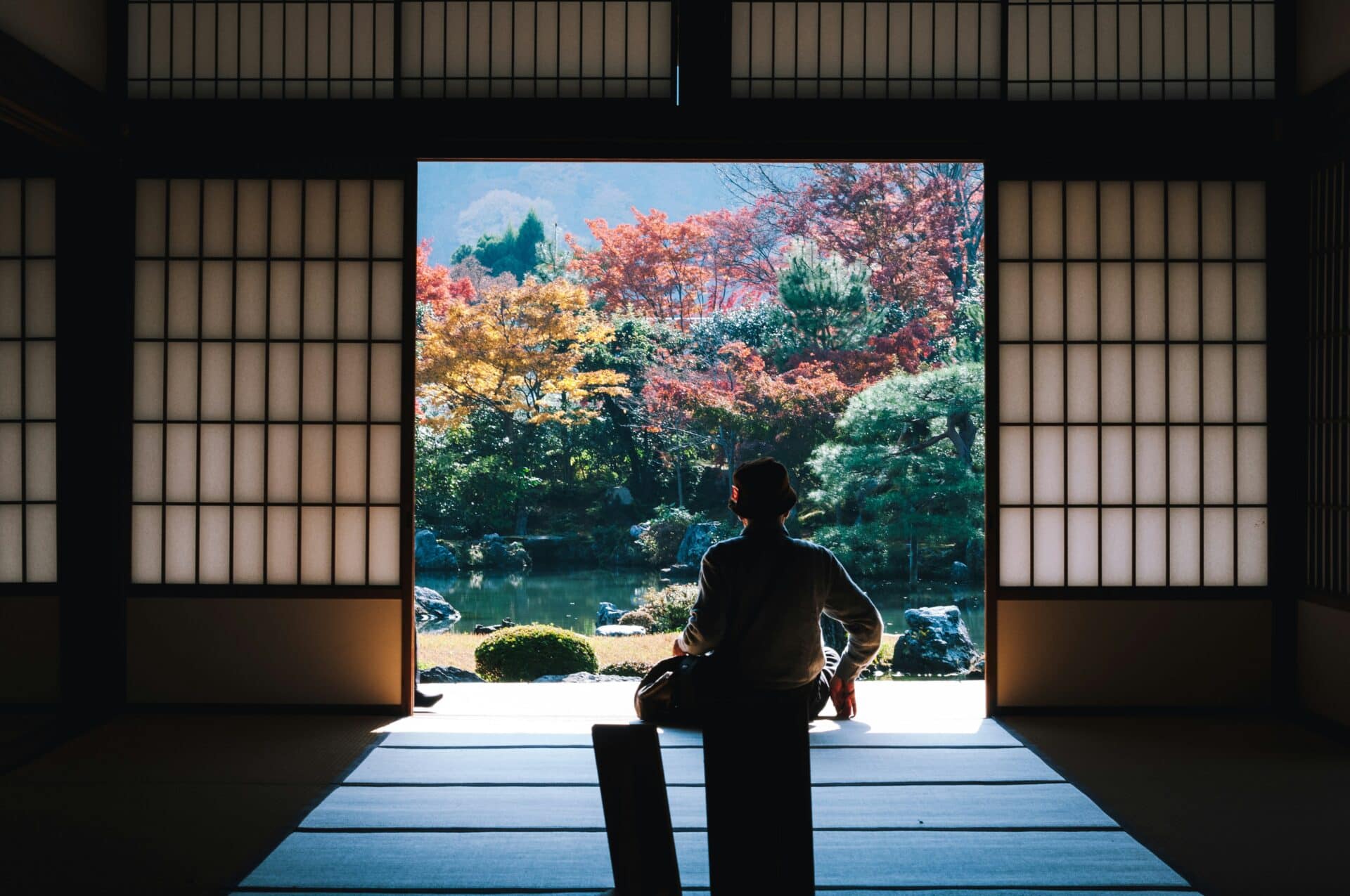
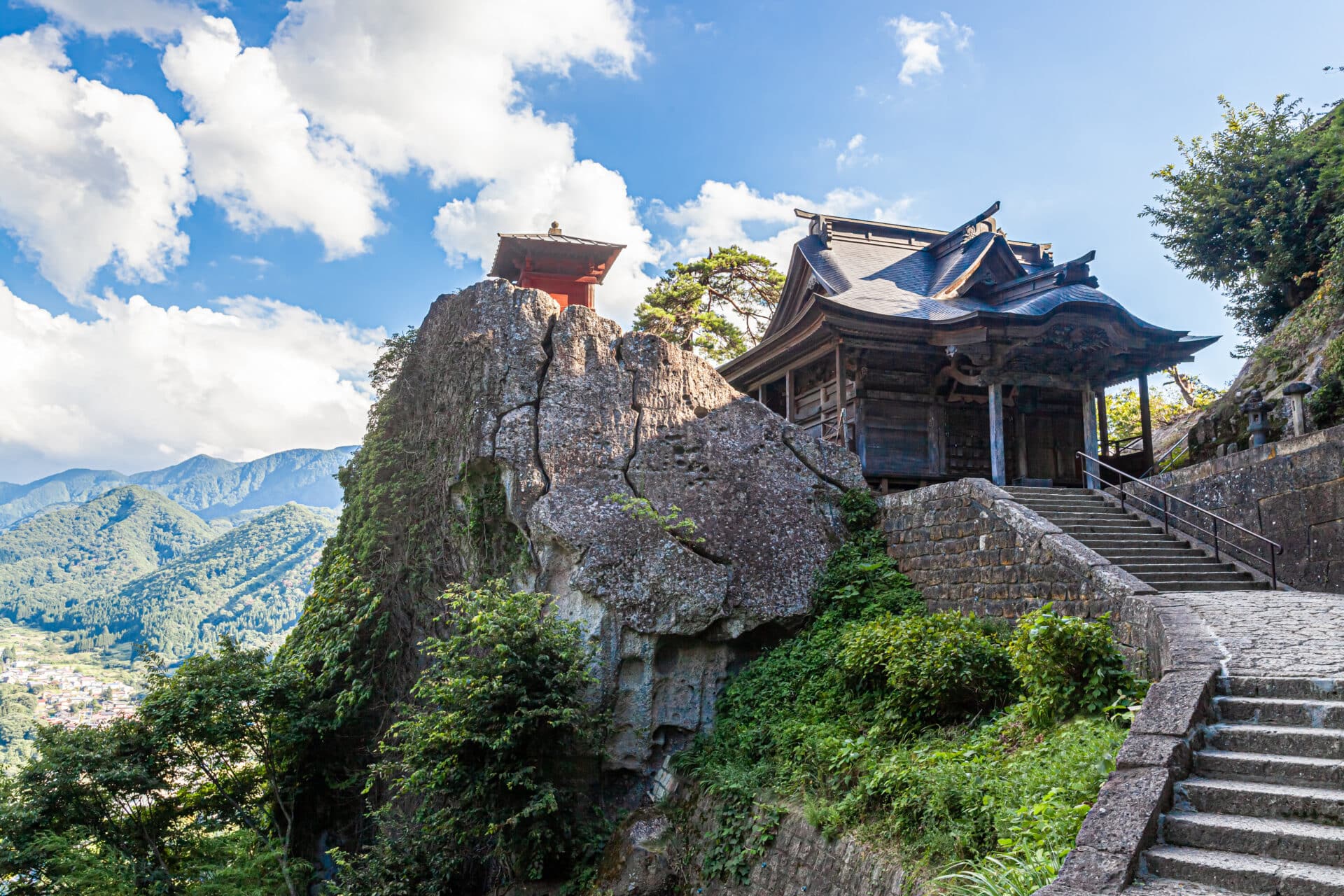
August 26, 2026Picture a place where ancient temples sit comfortably next to modern skyscrapers, where robot cafes exist alongside traditional tea houses, and where a train arriving just one minute late is considered unusual.
For most people, when we think about Japan, things like anime, sushi, cherry blossoms and automated -everything come to mind. But beyond these famous icons is a country full of fascinating customs and traditions, surprising contradictions and everyday experiences that often leave first-timers wondering Why doesn’t everywhere work like this?
It’s no surprise that Japan continues to attract travellers from around the world. For TEFL teachers, it’s also one of the most sought-after destinations to live and work, offering the chance to experience culture unlike any other, while building a rewarding career abroad. So, what makes Japan so special?
Let’s take a look at the traditions, food, culture, and quirks that make this extraordinary country one of the most captivating places on earth.
Read more: 4 Ways To Live And Work In Japan As A Foreigner
Fast facts about Japan
Before we get into the fun stuff, here are a few facts that paint a picture of modern Japan.
- Japan is an island nation in East Asia and is made up of more than 14 000 islands with more than 124 million people calling it home.
- Most people live on its four biggest islands: Honshu, Hokkaido, Kyushu and Shikoku.
- While Japanese is the official language, English is taught throughout the education system, creating thousands of opportunities each year for TEFL teachers.
But statistics only tell part of the story.
It’s the way people live, work, and interact that makes Japan truly unforgettable.
Japan’s culture & society: Where respect comes first
- If there’s one thing you’ll pick up almost immediately in Japan, it’s the respect people show each other.
Whether it’s bowing to greet someone, queuing patiently for a train or speaking quietly on public transport, everyday life is shaped by the idea of being considerate of each other.
- Something you’ll hear about often is omotenashi.
Directly translated as ‘hospitality’, it really goes beyond good customer service. You might notice it when a shop owner carefully wraps your purchase, or when a café manager walks you out to the door or when a hotel staff member greets you warmly as you enter or leave. These small gestures leave such a lasting impression on visitors.
- Another Japanese concept you’re bound to hear is ikigai.
Often described as ‘the reason for being’, for some it’s a fulfilling career, while for others, it’s family, hobbies or giving back to the community. This idea encourages people to find purpose in everyday life, simpler things.
- Respect also extends to the spaces people share.
A big surprise for many visitors is how clean Japan is. You won’t see many public bins, yet somehow, litter is rare. The leave-no-trace ethos includes taking your own rubbish home which is a simple habit, but one that says a great deal about the country’s heart.

More than sushi: Japan’s incredible food culture
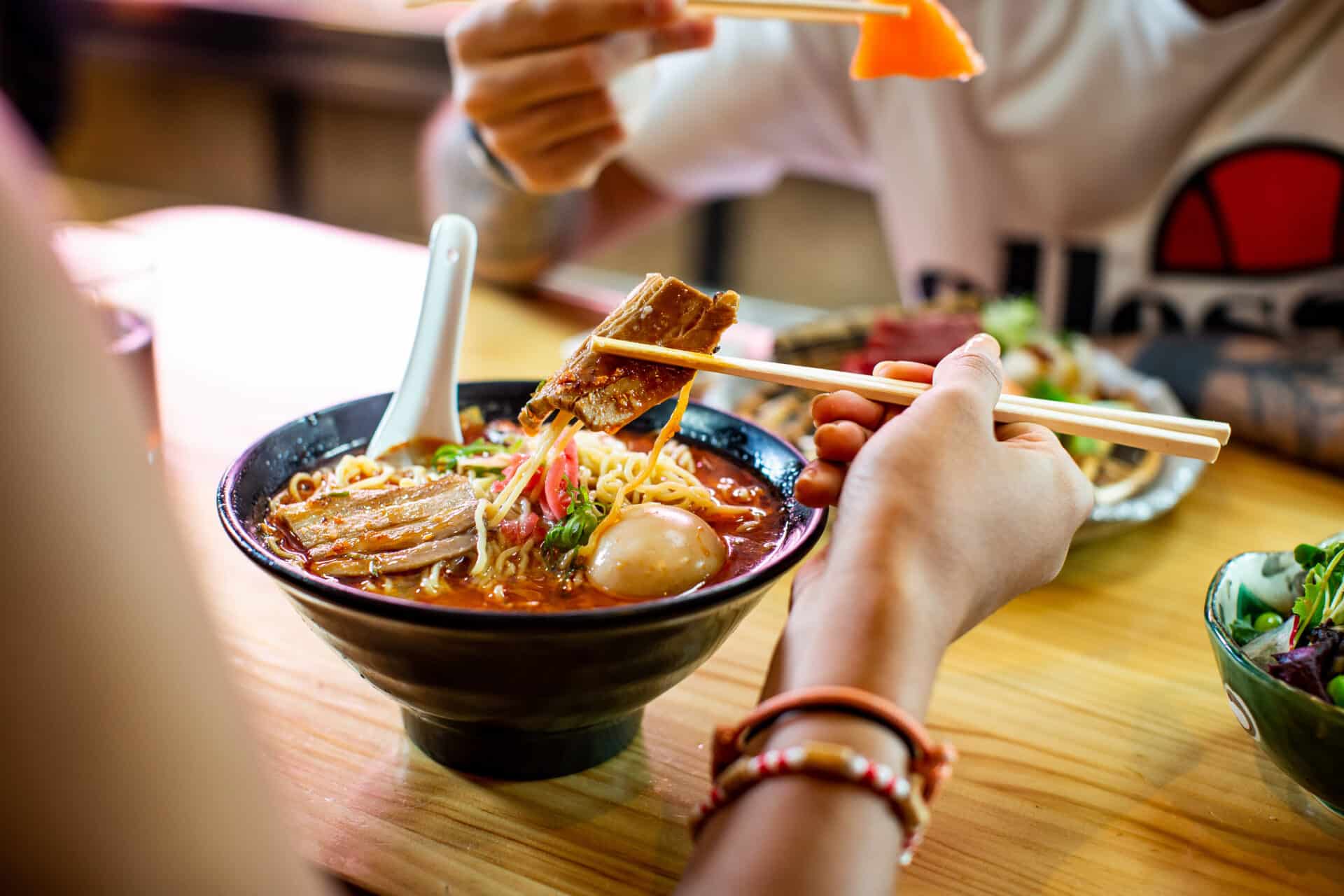
While many of us are not mad at the idea of eating sushi every day, if you think that’s the extent of Japanese food, you’re in for a pleasant surprise.
- Japan’s cuisine is wonderfully diverse with each region proudly serving up dishes that reflect the local history, environment, weather, and culture.
Whether it’s a comforting bowl of ramen, crispy tempura, savoury treats like okonomiyaki, or delicate soba noodles, there’s something for everyone, and fresh seasonal ingredients are enjoyed and, in fact, celebrated throughout the year.
- Food isn’t simply about eating.
Three concepts of Japanese food culture are notable: shun, konbini and vending machines.
Shun is all about eating certain foods at specific times of the year, not only because of seasonal availability but also because of how these foods benefited the body at those particular times – foods that could help the body adapt to temperature and humidity throughout the year.
In spring, slightly bitter young vegetables such as bamboo shoots and rape blossoms are eaten to help the body feel refreshed, whereas in winter, warming meals like oden and shabu-shabu, along with root vegetables such as daikon radish, help keep the body warm.
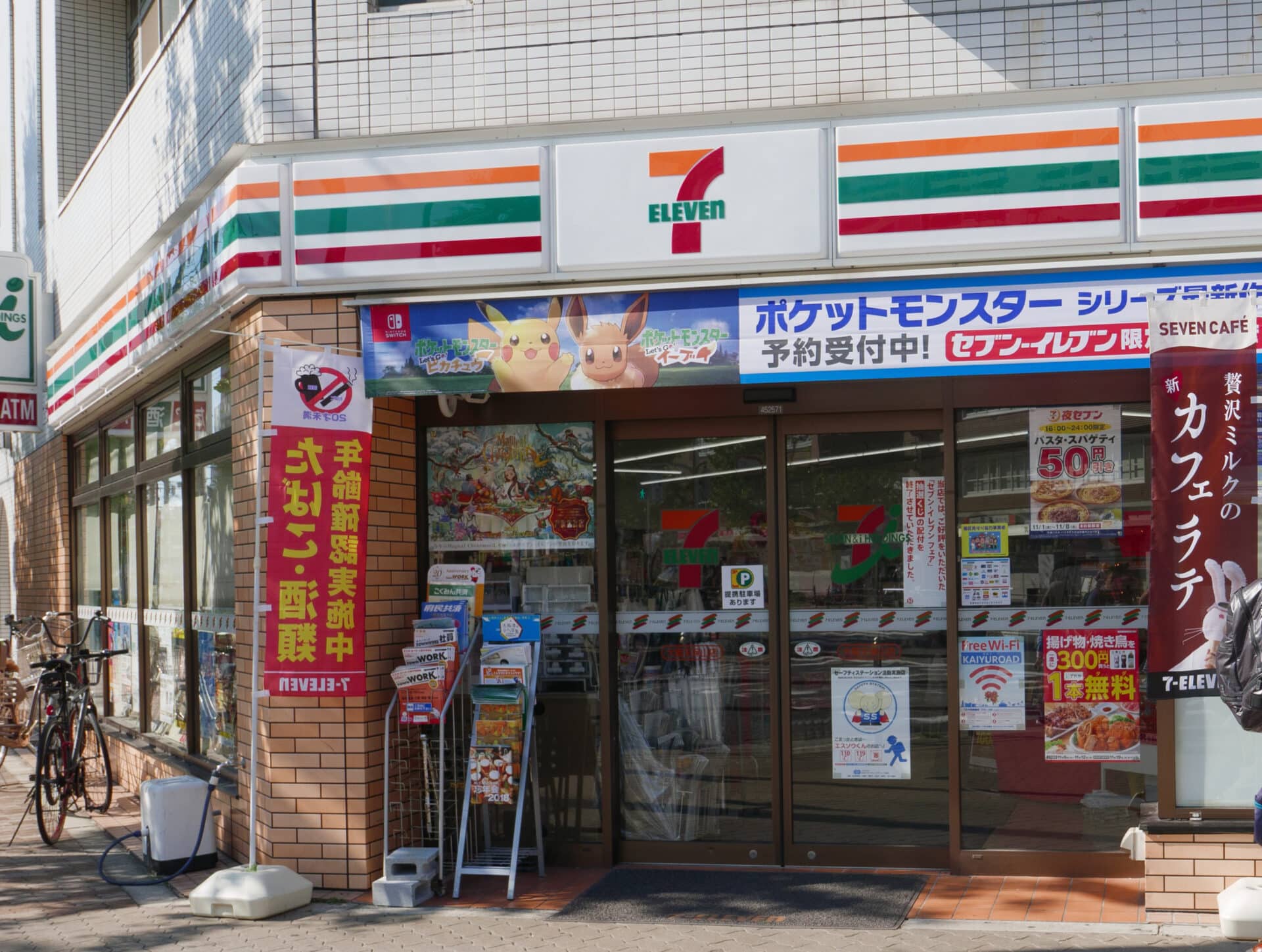
Konbini is short for convenience stores. These completely redefine what convenience means. Need a freshly prepared lunch? No problem. A quality cup of coffee? Easy. But it doesn’t stop at food. You can also pay your bills, buy concert tickets, send parcels and pick up toiletries all in one visit.
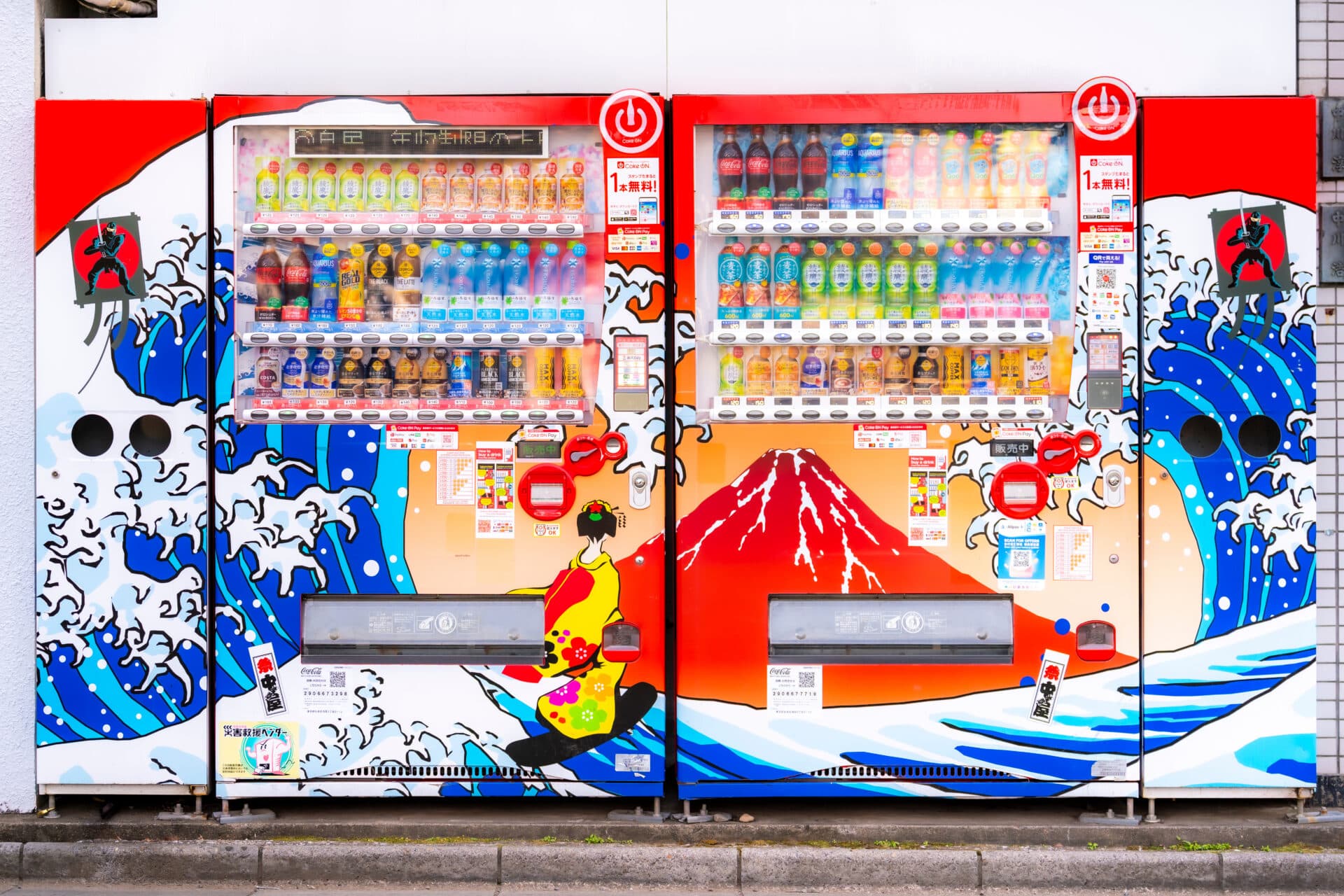
And, of course, we have to mention the vending machines.
These you’ll find almost everywhere, from busy streets to quieter rural villages. While many sell soft drinks and snacks, others offer more unconventional items like hot meals, fresh eggs, umbrellas, flowers and even batteries.
Like so many things in Japan, everyday convenience has been turned into an art form and a science- all in one, literally!
Tradition meets technology: Japan’s biggest contradiction
- Japan is often described as a country living in the future.
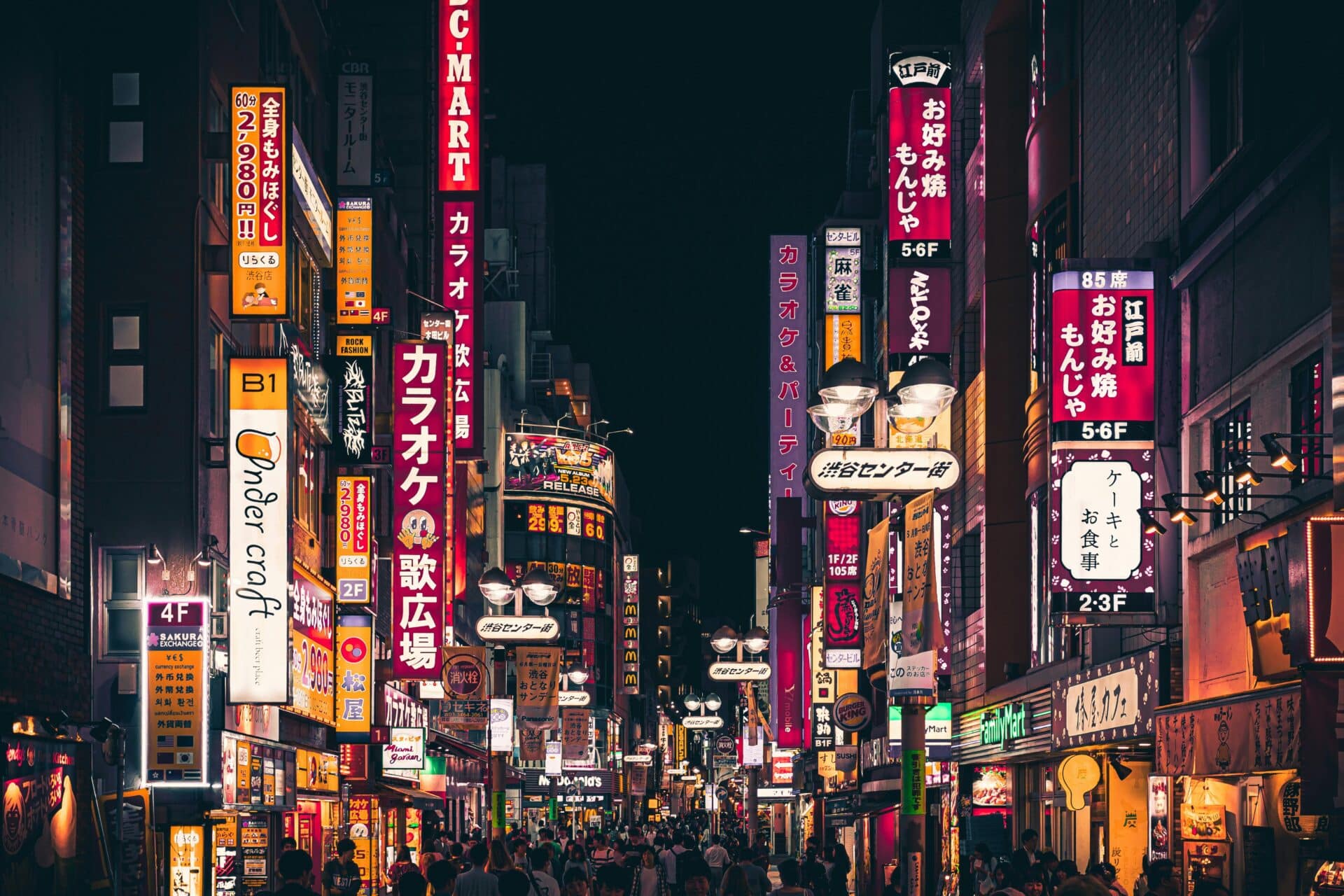
On any given day you might see high-speed bullet trains, robots, smart toilets with heated seats – innovation is included in everyday life, everywhere. Whether you’re a gaming enthusiast visiting the Akihabara gaming district (yes, there’s one of those), or simply enjoying the sci-fi experience of being welcomed to your hotel by a robot, most daily tasks have become simple, streamlined and automated.
But here’s the twist.
Despite all these technological advancements, Japan still relies on surprisingly traditional paperwork. Many official documents require a personal stamp, known as a hanko, instead of a handwritten signature. It’s not unusual to complete forms by hand, and fax machines are still used in some offices and businesses – yes, you read that right, fax machines.
It’s one of the things visitors often find most amusing. You can ride one of the fastest trains in the world to sign paperwork in person.
Somehow, it works.
Everyday life: the little things that make Japan unforgettable
Sometimes it’s the smallest details that leave the biggest impression.
- Public transport might be a bit different to what you’re used to.
During rush hour, trains can be incredibly busy, yet phone conversations are discouraged, people queue neatly on platforms, and passengers generally respect each other’s personal space.
- It’s customary to take off your shoes when you enter a house or room.
Yes, you may be expected to leave them at the door when entering homes, traditional accommodation, temples and some restaurants. Often, you’ll be given a pair of slippers to wear once inside.
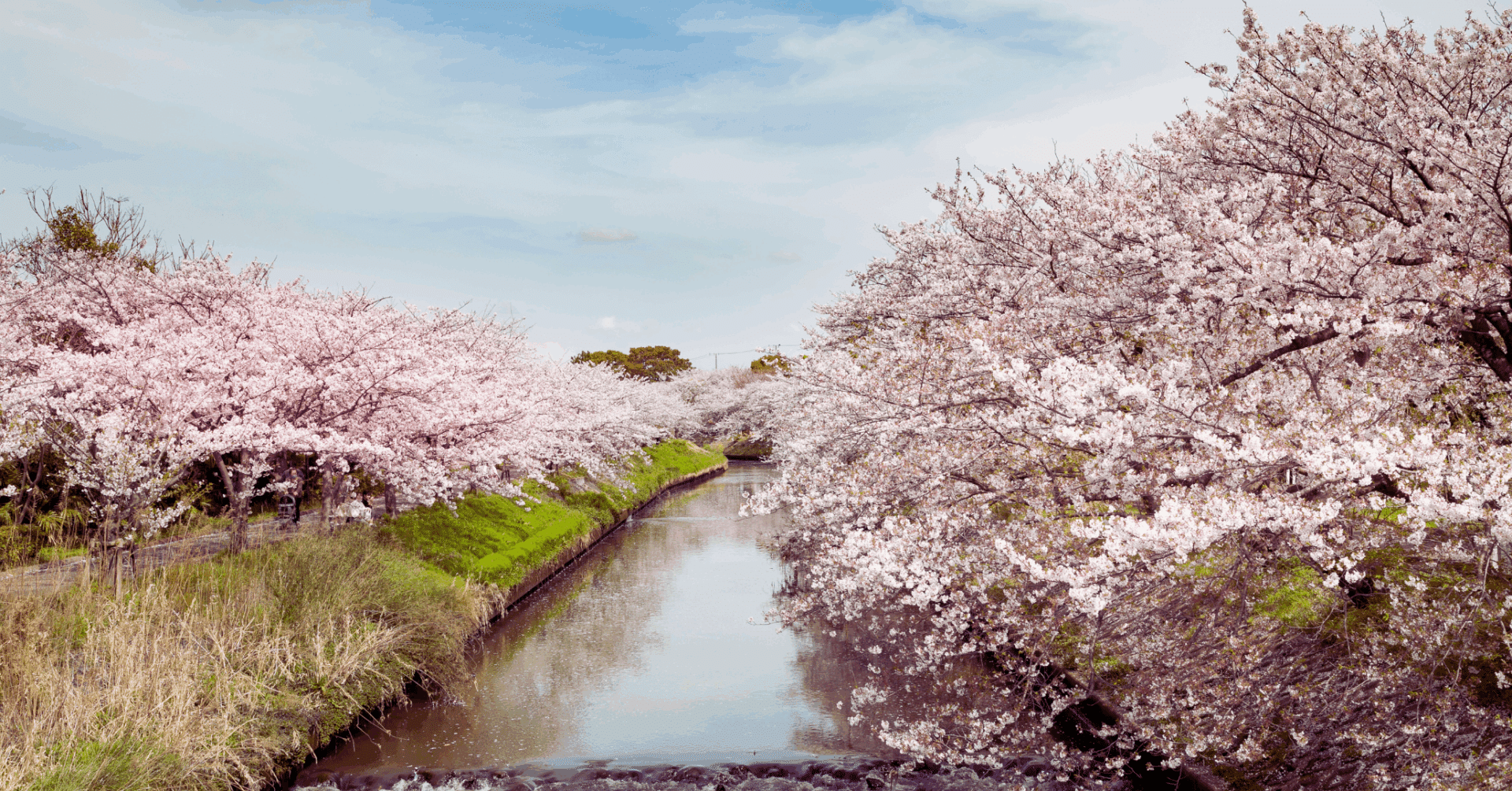
- Hanami is the tradition of gathering under the cherry blossom trees.
These gatherings during the flowering season serve as a reminder to appreciate life, simple pleasures and fleeting moments.
- Japan is famous for its themed cafés.
You’re a cat lover? Well then visit a cat café. You may be an anime enthusiast – there’s a café for you too! They’re a perfect example of Japan’s whimsical side and its ability to turn everyday experiences into something playful, fun and memorable.
A country that changes with the seasons
- Every season offers something unique.
Spring is known for its beautiful cherry blossoms, which turn parks, riverside walks, and castle grounds all shades of pink. In summer, colourful festivals, spectacular fireworks and busy street-food markets bring communities together, while autumn brings along its hues of red, orange and gold, making it a favourite time for hiking and sightseeing. In winter, northern Japan lures skiers, snowboarders and climbers to its icy peaks. There is literally a season for everyone – seasons that stay with you long after you’ve left.
Why Japan remains one of the top destinations for TEFL teachers
Japan offers plenty of opportunities to develop your teaching career while experiencing a rich and welcoming culture. With so much to explore and experience, it’s easy to see why Japan remains such a popular choice for English teachers.
Opportunities can be found in public schools, private language schools known as eikaiwa, and international schools, with many employers offering ongoing training and support for new teachers. Japanese students are often known for their admirable work ethic, their eagerness to learn and their respect for teachers and their peers. All this contributes to a rather beautiful classroom setting.
Outside the classroom, everyday life is just as rewarding.
One weekend might have you exploring an ancient temple in Kyoto. The next, you could be sampling street food in Osaka, or watching the sunrise from the shores of Okinawa. Convenient transport links make it surprisingly easy to access different parts of the country, even if you’re based in a busy city.
Worried about getting lost in translation? OK, learning a few survival Japanese phrases before you arrive is always worthwhile, but don’t worry if you’re not fluent. Making the effort is appreciated, and you’ll quickly discover that kindness and curiosity go a long way.
Read more: How To Learn The Local Language
Most importantly, arrive with an open mind.
Some customs may feel unfamiliar at first, but embracing them is all part of the experience. Before long, you’ll probably find yourself bowing without thinking, taking your shoes off automatically, and appreciating the quiet efficiency that makes everyday life in Japan run so smoothly.
Why Japan leaves such a lasting impression – and why you won’t want to leave!
Japan has a way of surprising people with its quiet moments in bustling cities, the kindness of strangers, the ancient traditions that continue to shape and influence modern life. But the biggest surprise is how effortless it all feels. Like they’ve been doing this for centuries almost!
So, whether you’re planning a holiday, dreaming about teaching English abroad, or simply curious to learn more about Japanese culture, one thing is certain: Japan is far more than anime and sushi.
Read more: TEFL Jobs In Japan: How To Get Hired
Author Bio

Accreditation & Quality Assurance
The TEFL Academy was the world’s first TEFL course provider to receive official recognition from government regulated awarding bodies in both the USA and UK. This means when you graduate you’ll hold a globally recognised Level 3 (120hr) Certificate or Level 5 (168hr) Diploma, meaning you can find work anywhere and apply for jobs immediately.