United States
US




How To Connect With Other Expats In China
Join a global community of over 200,000 TEFL teachers working throughout the world! Enrol me!



Last Updated
November 16, 2026TL;DR: To connect with other expats in China, start by asking coworkers and locals to add you to city-specific WeChat groups — the primary hub for foreigner meetups, pub quizzes, and event listings. Beyond your workplace, focus on recurring, hobby-based communities like running clubs, book swaps, or organisations such as Girls Gone International (GGI), which foster deeper friendships than one-off bar nights. Whether you live in a smaller city or a major hub like Beijing, follow a three-month approach: say yes to events in month one, narrow down your favourites in month two, and host your own casual coffee or activity group in month three.
Rebuilding your social life in a new country
When I moved to China in 2015 at 23, I had little to no expectations for what my social life would be like here. I arrived knowing a few people but still felt lonely, and 11 years later I’ve built a life and a community around me. Now that I look back on that first year in China 11 years ago, I realise how little I actually knew about building a social circle. This is a guide to help and hopefully offer a guide for teachers and expats in China who are worried about loneliness, isolation, or starting from scratch socially.
Read more: Why You Should Move To China To Teach English
What the expat community in China actually looks like
The expat community in China is not a single community.
The experience changes depending on what city you live in, your workplace, what you are interested in, and how social you are outside of work.
In many ways, it was easier to meet fellow foreigners when I lived in a smaller city compared to Beijing. You can make connections more quickly, but on, the other hand, you may have a smaller pool to make friends from.
When I moved to Beijing, it was a much larger city with a massive expat community, with a large variety of types of foreigners living there. Besides other TEFL teachers, there were diplomats, business owners, a massive student community, and tourists who were passing through. I found that Beijing offered more variety in social experiences.
In China, it doesn’t take long to notice that a lot of expat gatherings are centered around bars, drinking culture, and going out after work and on weekends, book clubs, workout groups, weekly food get-togethers, and music gatherings. And these aren’t only expats or only Chinese. Beijing was the first place I got to experience a lot of mixed cultural events.
Using apps and online communities
WeChat groups are the ultimate necessity for finding connection in a new city. My advice is, once you arrive in a city or even before, ask people to add you to groups, join broadly at first, and see what fits. It is also common to find out about other WeChat groups while in a different one.
It was after I moved to my second city in Dongguan that I was added to different WeChat groups to get included with different social groups in the city. One was for a weekly pub quiz at an Irish bar; another was just a general catch-all “Foreigners of Dongguan.” If I wanted to make friends, ask a question, or see if anyone was free to grab coffee, you could use that group. I was only there for a year and didn’t make use of them when I was there. But when I first moved to Beijing, I knew what groups to start asking about from co-workers and people I met.
To be honest, some of these groups serve a very specific purpose for a certain time in your life. For example, in the rental group or job groups, you can see listings and get connected with real estate agents or job recruiters. Sometimes you may notice that a group you’re looking for doesn’t exist yet. For example, this past year, my friend and I wanted to start a free English book swap, so my friend and I started a WeChat group to share event details. The group stayed active, and now we manage the group “Bookish Beijing,” which is a catch-all community for people to share, ask, and connect about book-related things in Beijing.
Read more: Navigating The Great Firewall For Teachers In China


Meeting people through work
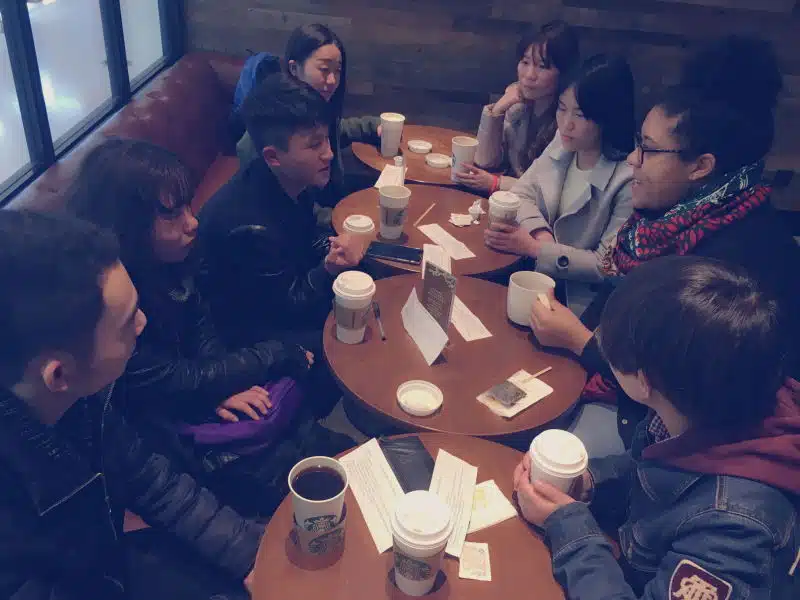
Co-workers are often your first built-in community, but that doesn’t mean they have to become your entire social life. My first friend groups in China were my co-workers. We had been introduced at school, organised dinners, and we all lived in the school-provided housing that was in the same building.
Some of them had been in China longer than I had and could answer a lot of my questions, and they introduced me to other foreigners outside of school. This was a fun group of people for me, but when I moved to Dongguan after two years and was building a whole new social circle, I quickly realised that I didn’t get along with these co-workers as seamlessly. It was fine for work, but I didn’t really want to spend my free time with them as well.
It can be easy to fall into a work bubble, and I think the best way to avoid it is to do things on your own. You may not instantly meet your next best friend, but you can socialise with new people and get a break from work talk and work life.
Read more: How To Live & Work In China As A Foreigner
Social hotspots and activities for expats
I have met people at expat-type events: bar crawls, Western holiday get-togethers, or someone’s massive birthday party, and those can be very fun. But those are not really environments to have easy conversations or get to know new people.
I think of myself as more of an introverted, shy person around people I don’t know, so I have had to learn through trial and error what situations I feel I can meet people in. Like a craft event I went to recently, where we learned how to make felting designs on sweaters.
I have friends who belong to running clubs and even community theatre groups. In larger cities in China, there tends to be a wider variety of types of events than what I experienced in smaller cities. But the great thing is, if you don’t see the community you’re looking for, you can start it yourself.
Joining hobby-based communities
Shared interests can lead to more sustainable friendships than simply bonding over being foreigners in the same city.
In the past few years, I have really gotten back into the hobby of reading, and I started sharing more about it when talking with people, and I was able to grow a strong friendship with another female expat when I realised we had a lot of similar reading habits. Being able to connect over a hobby rather than just both being expats, we were able to start a strong friendship.
I think recurring events can be better for finding friends than one-off events. Yes, you may meet people at an event, maybe exchange WeChat contacts, but it can sometimes be difficult to make an effort to meet up again on your own time.
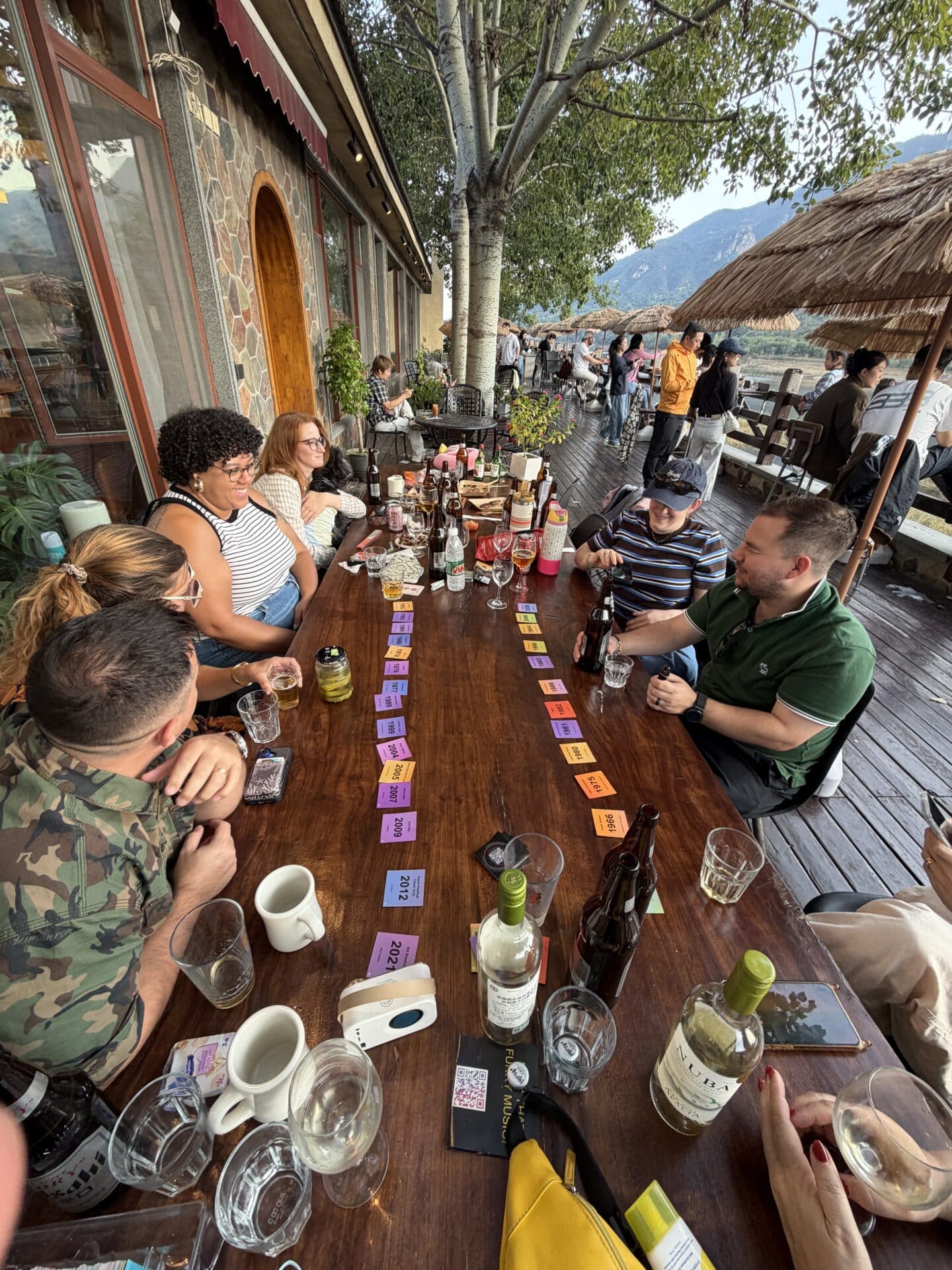
I joined a female expat community in the past year called GGI (Girls Gone International). They host lots of community-only events and get-togethers, and I’ve been able to meet people at the monthly book club, “Foodie Fridays,” and other monthly activities. It’s been really nice to have weekly low-stakes activities for me to join.
And each time, there are some of the same people but also a lot of different people who are there for the first time. So even if I go alone and don’t know anyone, I have a social outing where I can connect with others through the common interests that brought us there in the first place.
Connecting with locals vs. expats
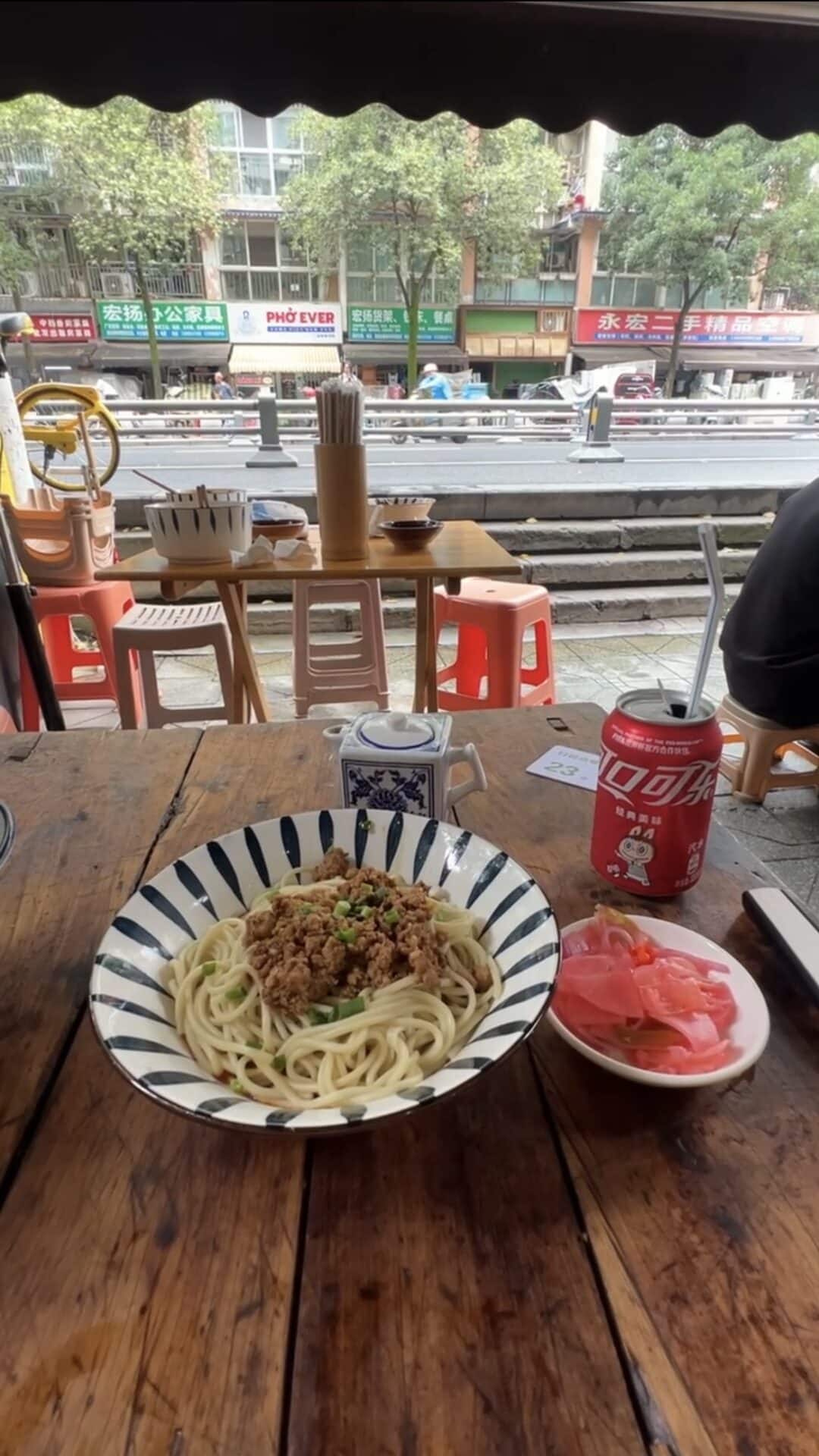
There is so much value in having both local Chinese and international expat friendships.
I think my initial experience in China was greatly impacted by my initial friendships being with local Chinese friends, and that definitely had the biggest impact on why I grew to love living here for so long. Local friendships give you context for life in China, while expat friendships give you people who understand the experience of living abroad. Although having fellow expat friends who understand the experience of living abroad is valuable, sometimes expat gatherings can start to feel like you’re talking in an echo chamber and mirroring each other in many ways.
Read more: Can You Teach In China Without Speaking Chinese?

Challenges when building a social circle in China
The hard truth about living abroad is that it often means repeatedly saying goodbye and starting over by making the effort to build new connections again.
I have definitely gone through my own shift in social circles. I went through a breakup, and my best friend moved away within a few months of each other, and I suddenly had to figure out who I was going to hang out with in all my free time.
It took me some time, but I think I had to start looking for social things to do again, almost as if I had just moved to the city. And I have met great new people and discovered so much that was going on in the city that I had no idea existed. The social activities are out there, and sometimes you go alone and leave feeling like you hung out with friends.
Top tips for settling in socially
- First month: Say yes to everything! (that you are comfortable with and that sparks your interest)
- Month two: Which of those groups or activities are worth returning to?
- Month three: Initiate something yourself—coffee, dinner, a recurring activity, or even your own smaller group chat.
My overall advice 11 years later: put yourself out there. Every expat around you is doing or has done the same thing, and I promise they are not judging you as much as you are judging yourself. Let go of your expectations: I was guilty of this for my first few years living here. I had a specific timeline; I had my own perceptions of what China was like and what life was like here. And all of that has gone out the window, and I am STILL surprised by what I’m surprised at every day here. Remember, Rome wasn’t built in a day, and community takes time but is very achievable. Because if even I could do it, a shy introvert who likes to stay in the house, you can do it too!
Read more: What Nobody Tells You About Teaching In China
Author Bio

Accreditation & Quality Assurance
The TEFL Academy was the world’s first TEFL course provider to receive official recognition from government regulated awarding bodies in both the USA and UK. This means when you graduate you’ll hold a globally recognised Level 3 (120hr) Certificate or Level 5 (168hr) Diploma, meaning you can find work anywhere and apply for jobs immediately.