United States
US


12 Surprising Facts About Thailand (Beyond Beaches & Pad Thai)
Join a global community of over 200,000 TEFL teachers working throughout the world! Enrol me!



Last Updated
October 26, 2026Thailand. The Land of Smiles (13 in total!), home of tropical beaches, buzzing cities, incredible food and, of course, plenty of pad thai.
But there’s far more to this fascinating place than beautiful beaches and holiday photos.
Thailand has become hugely popular for travellers, digital nomads, and, of course, TEFL teachers. We can only assume this is due to the affordable cost of living, deliciously warm climate, and relaxed lifestyle that so many yearn for.
So, take a trip with us and let’s have a closer look at why so many fall in love with the land of smiles.
Fast facts about Thailand
- Thailand is officially known as the Kingdom of Thailand and is located in mainland Southeast Asia. It was formerly known as Siam.
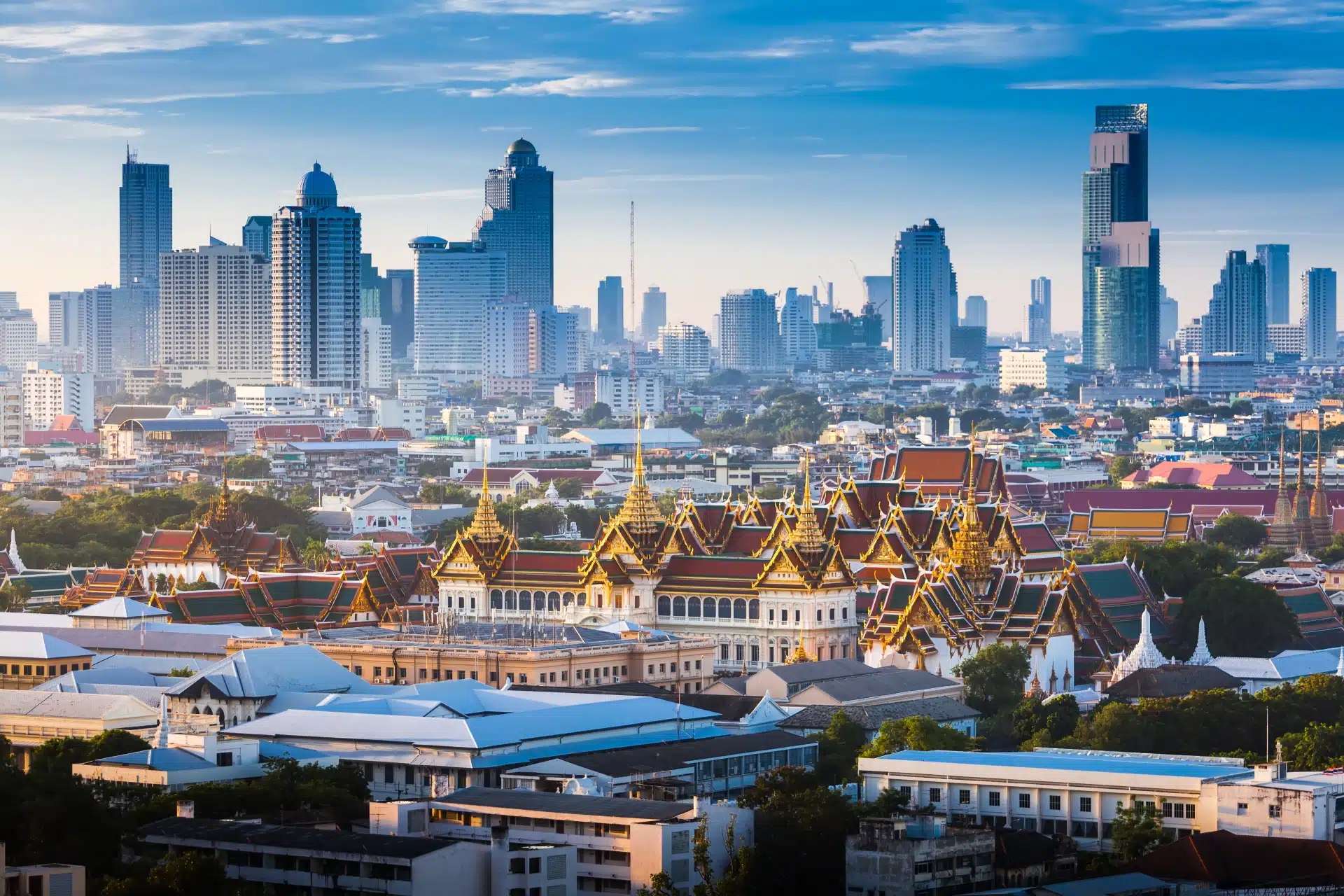
- The capital city is Bangkok, although locals commonly refer to it as Krung Thep, meaning “City of Angels”.
- While English is widely spoken in tourist areas, Thai is the official language.
- Thailand is known as the Land of Smiles.
Thai culture and society: Surprising facts
- Thai smiles can have 13 different meanings.
Thailand’s nickname, the Land of Smiles, might make you think that Thai people simply smile a lot. But a Thai smile doesn’t necessarily mean yin dee! (welcome!)
Each smile variation is connected to a different situation or feeling. These can include a polite smile, an apologetic smile, a smile that shows admiration and even a smile that says “I don’t agree with you!”
In other words, if a local smiles at you, don’t automatically assume it’s because they like you. The meaning of a smile can depend on the situation, the relationship you have with someone, and the social context. This is one of those little cultural lessons that can be particularly useful for anyone planning to live and work in Thailand.
Read more: Things To Know About Thai Classroom Culture
- Thailand has strict laws protecting the monarchy.
Thailand is a constitutional monarchy, and the royal family plays an important role in Thai culture and everyday life.
Making certain comments or being disrespectful towards members of the royal family can have serious legal consequences. So be careful about what you say, post or share in public and on social media.
It’s also important to show respect towards royal images and symbols. Because Thai banknotes and coins feature the face of the monarch, it’s illegal to step on money on the ground.
- Bangkok’s full name in Thai is the world’s longest place name.
You probably know Thailand’s capital as Bangkok.
Easy enough. But Bangkok’s full ceremonial name is a completely different, and a slightly lengthier story.
The city’s ceremonial name is 168 letters long, making it the world’s longest place name according to the Guinness World Records.
It begins:
Krungthep Mahanakhon Amon Rattanakosin…
And then it keeps going:
Mahinthara Yuthaya Mahadilok Phop Noppharat Ratchathani…
And going:
Burirom Udom Ratchaniwet Mahasathan Amon…
And going:
Phiman Awatan Sathit Sakkathattiya Witsanukam Prasit.
Thankfully, you don’t need to memorise it before booking your flight! Everyone uses Bangkok in English or Krung Thep in Thai.
Read more: Do You Need To Speak Thai To Teach English In Thailand?
- You’ll hear the national anthem twice a day.
In major cities, the Thai national anthem is played in public places twice a day, at 8am and 6pm. You are expected to stop what you are doing (even walking!) during the anthem.
- You shouldn’t touch someone’s head
In Thai culture, the head is considered the holiest part of the body. Consequently, it’s considered disrespectful to touch someone’s head. Similarly, the feet are thought of as the dirtiest part of the body, so you should never point your feet at someone – and be careful of how you sit in front of a Buddha.
Fun food facts: It’s not all pad thai (but we wouldn’t be mad)
- Street food ranks as high as restaurant food.
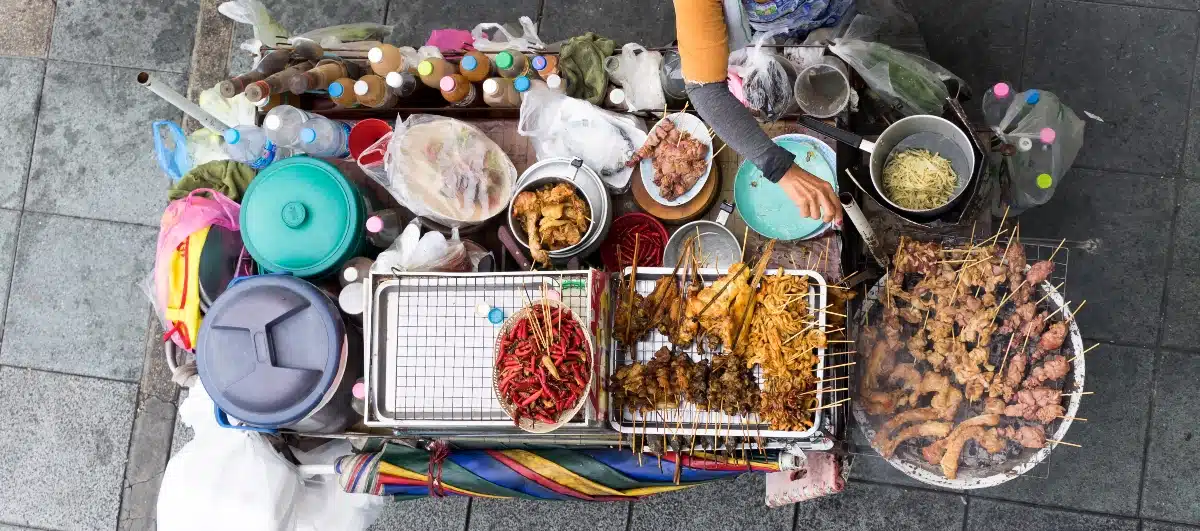
Thai food is famous around the world. From spicy curries, to fragrant soups, to mango sticky rice, food is a huge part of everyday life in Thailand. But your local menu back home is just the beginning. Street food is an occasion. You’ll find everything from grilled meat and noodles to fresh fruit and desserts being prepared and sold throughout cities and towns.
- Pad thai is a recent invention.
Though pad thai is now recognised and enjoyed all over the world, it has only recently been introduced to the Thai menu. In the 1930s, the Thai government encouraged the public to eat noodles instead of rice because of a devastating flood affecting rice paddies all over Thailand.
The distinctive pad thai recipe was created a few decades later in the 1960s, in response to a growing number of international (mostly US) tourists to the country.
- A popular fruit is so smelly it’s banned in public places.
The durian fruit has such a strong smell that it is banned from being eaten in public places and on public transport. It’s considered a delicacy but it’s definitely a love-it-or-hate-it taste.
Language & communication facts
- Saving face is a big deal
One thing you’ll see across the landscape is the importance Thai culture places on politeness, respect and social harmony.
This might feel quite different from what we’re used to back home. You’ll quickly learn that being overly confrontational or publicly embarrassing someone can be uncomfortable in Thai social situations, and for teachers, this is particularly useful to understand.
The way you communicate with students and colleagues isn’t simply about speaking English clearly. Understanding the local culture can make a big difference to how you build relationships and settle into your new environment.
Tourism and travel facts
- In the city of Lopburi, monkeys rule the roost.
If you thought Thai festivals were all about colourful celebrations, music and food, you’d be on track, but wait until you hear about Lopburi’s monkeys.
Lopburi, a city north of Bangkok, is famous for its large population of long-tailed macaques. These monkeys have become the city’s most recognisable citizens, particularly around historic sites such as Phra Kan Shrine and Phra Prang Sam Yot. The monkeys have become such an important part of Lopburi’s identity that the city is sometimes referred to as the Monkey City.
So important are these monkeys that the city now hosts the famous Monkey Festival, where food is laid out for its furry residents – a festival where monkeys are essentially invited to dine and we’re here for it!
But if you do decide to visit, perhaps keep a close eye on your snacks. These monkeys know what they’re doing.
- Thailand is one of the original TEFL destinations
The Land of Smiles has long been a popular starting point for people who want to teach English abroad and there is no mystery as to why this is. Thailand has a lot going for it: an interesting culture, warm weather, relatively affordable living costs and plenty to explore outside of work.
But here’s a quick reality check: teaching in Thailand is still a job, and it’s worth doing your research before accepting a position.
Find out about your working hours, salary, accommodation, holidays, visa requirements and what your employer will provide before you arrive.
And, of course, make sure you have the appropriate qualifications and work authorisation for the position you’re applying for.
Read more: How To Live And Work In Thailand As A Foreigner
A few things to remember before you go
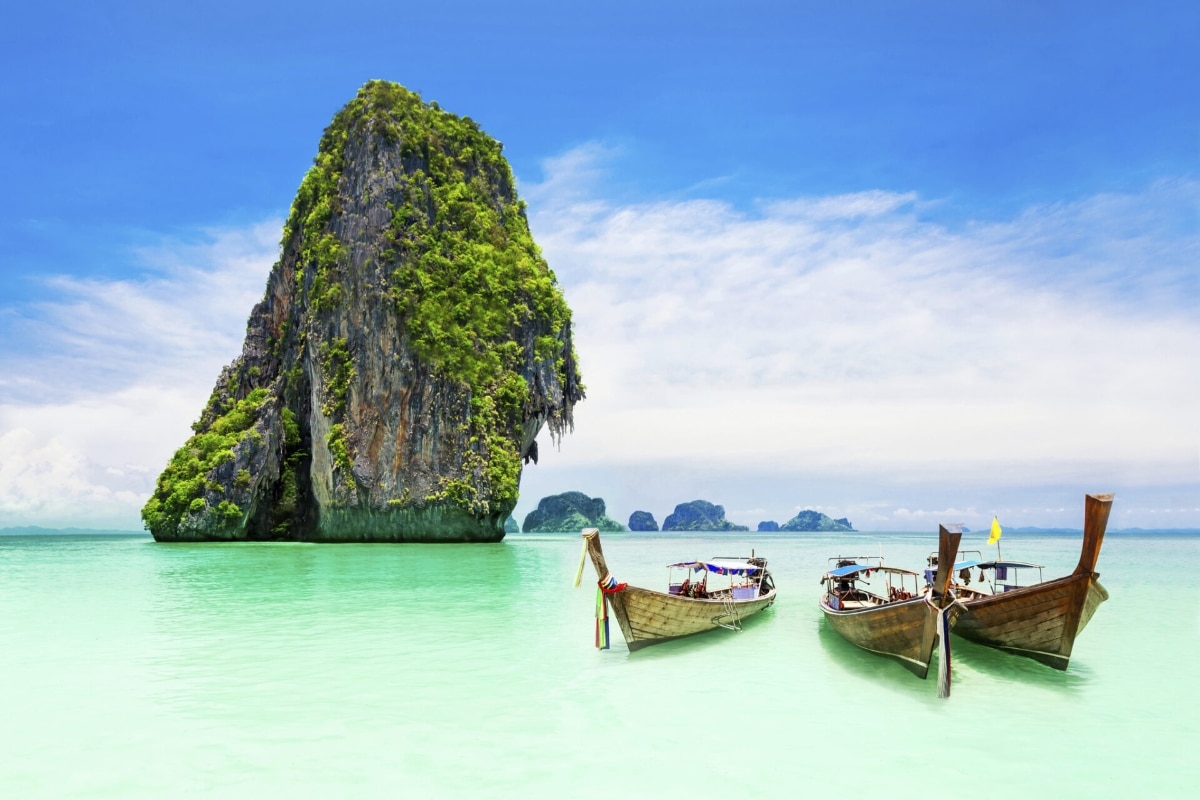
Thailand may be famous for its beaches, temples and sunshine, but spending time there means experiencing a culture that goes far beyond that screen saver on your laptop.
Learn a few words of Thai, be respectful of local customs, take your shoes off when required, keep an open mind and don’t assume that every smile means exactly the same thing.
And if you’re teaching English, remember that you’re not just moving to another country to teach. You’re becoming part of a new community. Take the time to learn how things work, try the local food, explore beyond the touristy spots and say Sawasdee to the whole experience!
And yes, by all means, enjoy the beaches too.
We’re not saying you have to work all the time!
Author Bio
Accreditation & Quality Assurance
The TEFL Academy was the world’s first TEFL course provider to receive official recognition from government regulated awarding bodies in both the USA and UK. This means when you graduate you’ll hold a globally recognised Level 3 (120hr) Certificate or Level 5 (168hr) Diploma, meaning you can find work anywhere and apply for jobs immediately.