 United States
US
United States
US









My name is Catherine from New Zealand, and I worked as a summer camp counsellor in Hakuba, Japan, from June to August 2024. I chose to work at the camp because it offered the opportunity to explore a different region of Japan and I had been curious about summer camps so I wanted to see what the experience was like for myself. It also involved working with children from diverse backgrounds, which would help my long-term goal of pursuing TEFL teaching abroad.
A Typical Day In The Life Of A TEFL Teacher At A Summer Camp In Japan
Join a global community of over 200,000 TEFL teachers working throughout the world! Enrol me!



Last Updated
July 14, 2026Summer camps in Japan blend intensive language learning and cultural immersion with unique outdoor adventures. TTA alum Catherine got a Japan summer camp job. Here she tells us all about it.

Read more: TEFL Jobs In Japan: How To Get Hired
English summer camps in Japan
In March 2024, I was already living in Niseko, Japan on a Working Holiday Visa. As the winter season was coming to an end, I began searching for summer work.
While looking online, I came across a summer camp counsellor position. The role appealed to me because I enjoy working with children and spending time outdoors, so I decided to apply. The recruitment process involved submitting a recorded video interview, and about a month later I received a job offer.
Although the camp operated in English, its primary focus was on outdoor activities rather than focussing on classroom teaching. Personally, this suited me well as it was a fun and engaging way to teach children, as they learned naturally through everyday communication. Alongside outdoor activities, we also organised indoor sessions such as arts and crafts, quizzes, and pizza-making, with all materials provided by the camp.
Camp sessions typically lasted either five or ten days. The children ranged in age from seven to sixteen years old, with new groups arriving every few weeks. The campers stayed overnight, so working hours varied quite a lot.
Most counsellors worked either morning shifts focused on outdoor activities or afternoon shifts doing indoor activities. Occasionally, staff worked full days over twelve hours, although breaks were provided throughout the day.
As with many seasonal jobs, weekend work, early starts, and late finishes were common.
Read more: 4 Ways To Live And Work In Japan As A Foreigner
The nitty-gritty
The camp did not sponsor Work Visas for summer camp counsellors, so most of us had a Working Holiday Visa. The only exceptions were a few Americans who were half Japanese so they already had working rights.
My pay was ¥1,350 ($8) an hour.
While I did not save a significant amount of money, it was enough to comfortably cover my living expenses. The cost of living in the area was relatively low, and staff accommodation was subsidised. We also received free meals while working, including good vegan and gluten-free options, which can sometimes be difficult to find in Japan.
I generally worked between 25 and 30 hours a week, which I found very manageable.
Most of my shifts were in the afternoon, meaning I often didn’t start work until 3:00 or 4:00 pm. During my free time, I would hang out with other counsellors, study Japanese, or go for a swim in the nearby river.
Read more: How Much Do TEFL Teachers In Japan Make?
A typical day
What is a typical day like for an English teacher at a summer camp in Japan?
Morning shifts started around 8:00 am. We would supervise breakfast and help the children prepare for the day’s activities. This often involved assisting with packing and ensuring everyone had the necessary equipment. We would drive the campers to locations such as lakes, hiking trails, or activity centres.
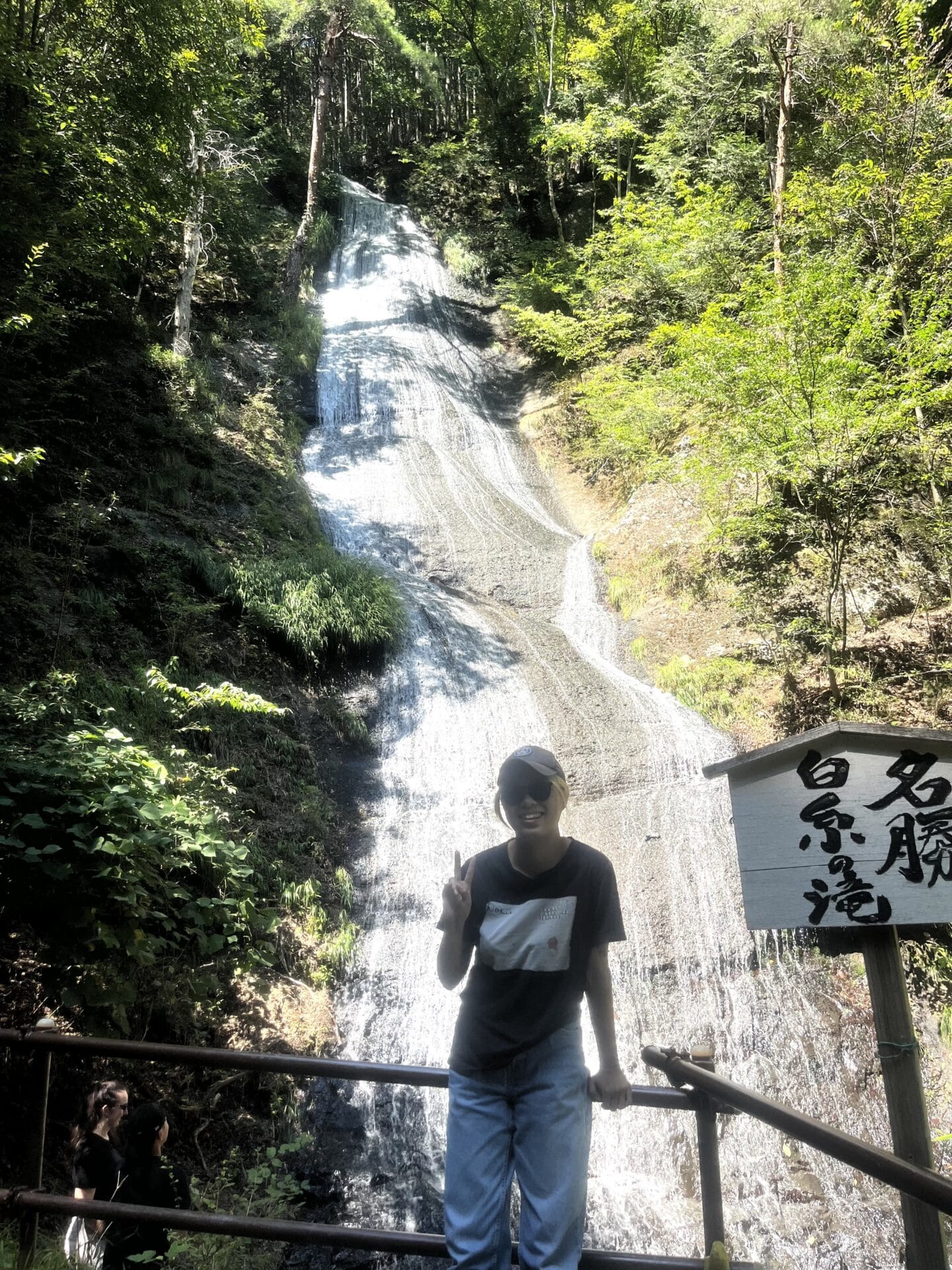
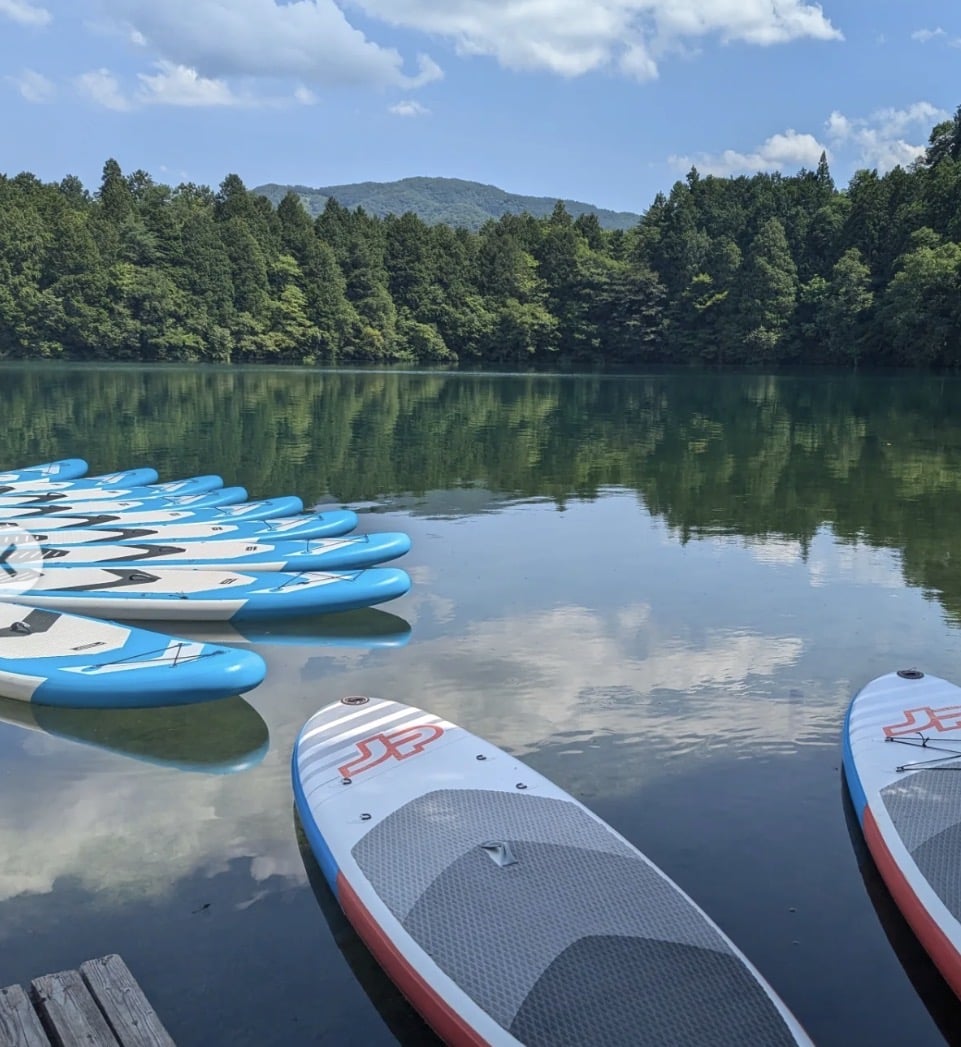
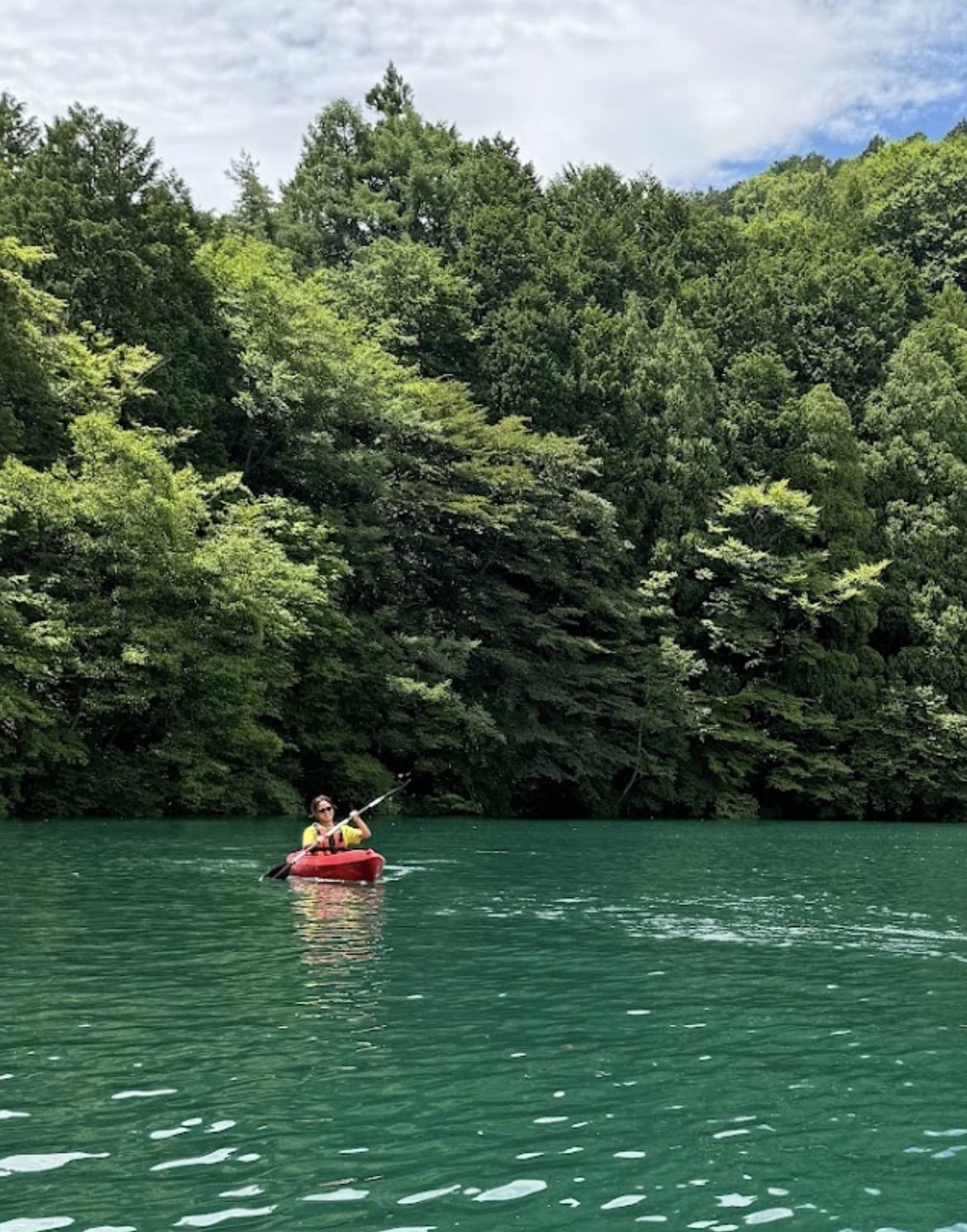
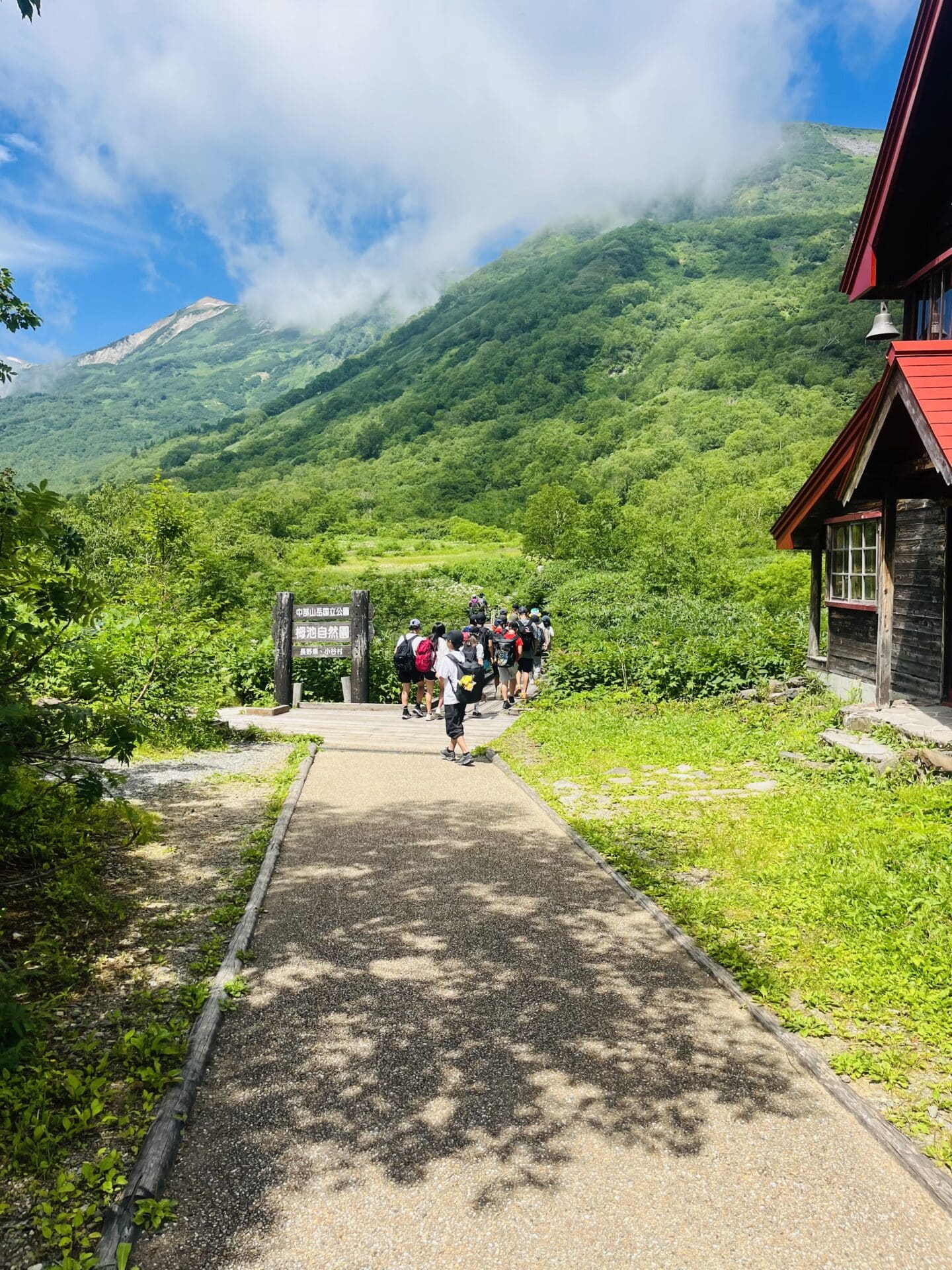
Specialist instructors typically led the activities, while camp counsellors focused on supervision and student support. During my time at the camp, I participated in a wide range of outdoor activities, including hiking, kayaking, and paddleboarding.
Morning shifts generally ended around 4:00 pm, when we took the kids back to the hotel and had a changeover with the afternoon team.
An afternoon shift usually began with driving to the camp hotel, where the children returned after a day of activities. We would give them with an afternoon snack and supervise them until dinner.
During this time, we organised games, sports, and arts and crafts activities.
After dinner, we would lead an evening activity such as a quiz night, filmmaking project, or guided forest walk. Around 9:00 pm, the children would prepare for bed, and we remained on site to supervise until our shift finished at 10:00 pm.
Tips for TEFL teachers interested in summer camps in Japan
For aspiring TEFL teachers, working at a summer camp in Japan can be an excellent entry point into the industry.
Many camps do not require extensive teaching experience or formal qualifications.
The camp I worked for employed many non-native English speakers, and some staff members were only eighteen years old. As these positions are seasonal, they are ideal for people who enjoy travelling and do not want to commit to a full-year teaching contract.
Read more: Working Abroad Opportunities: 5 Ways That Require No Experience
For those interested in staying in Japan long-term, some companies may offer visa sponsorship opportunities, although these are generally reserved for existing staff with experience.
There are many different types of summer camps throughout Japan.
Some place a strong emphasis on academics and English instruction, while others focus primarily on outdoor education and recreation. Contracts can range from a few weeks to the entire summer season.
My biggest piece of advice to secure a job is to ensure your working rights are sorted. Most employers only consider applicants who already have a work visa. Being physically located in Japan is also important as employers do not usually cover travel costs.
Since many camps are located in rural areas, having a driver’s licence is highly beneficial. I recommend getting an International Driving Permit before leaving your home country, as the process can be more complicated once you are in Japan.
For job opportunities, I recommend joining Facebook groups such as “Working Holiday Japan” and “English Teaching Jobs in Japan.” Another useful resource is the website GaijinPot, which regularly advertises seasonal and teaching-related positions throughout Japan.
Final thoughts
Looking back, I have very fond memories of my time working in Japan.
The summer camp job was quite relaxed, and provided plenty of opportunities to explore Nagano Prefecture. It was also an incredibly social environment and I was able to make friends with people from around the world such as Canada, Australia and Germany. Since most of us worked and lived together in a small town, we became really close and still keep in touch years later.
While I did not earn much financially, I gained valuable skills and experiences that have helped open doors to future teaching opportunities in the TEFL industry.
Is teaching English at a summer camp in Japan for you? Not sure if you’re cut out for a teaching job on a summer camp? Check out our blog post to discover five characteristics of summer camp teachers.
And don’t forget, a TEFL qualification is a sure way to get your CV noticed. Sign up today and you could be teaching on a summer camp in Japan in a few months!
Author Bio

Accreditation & Quality Assurance
The TEFL Academy was the world’s first TEFL course provider to receive official recognition from government regulated awarding bodies in both the USA and UK. This means when you graduate you’ll hold a globally recognised Level 3 (120hr) Certificate or Level 5 (168hr) Diploma, meaning you can find work anywhere and apply for jobs immediately.



$
$