 United States
US
United States
US









Teaching In Thailand As A Woman: What You Need To Know
Join a global community of over 200,000 TEFL teachers working throughout the world! Enrol me!


Last Updated
June 5, 2026Thinking about teaching English in Thailand as a woman? Read on to find out how a female TEFL teacher really felt living solo in Thailand – her tips, tricks and advice if you are planning it for yourself.
Hi! My name is Amelia and I’m a fully qualified teacher from the UK. Shortly after qualifying, I decided to do a TEFL qualification. I wanted to travel to Asia and I knew teaching offered the chance to teach anywhere.
So why not seize the opportunity and go to Thailand?
Read more: How To Live And Work In Thailand As A Foreigner
I was solo, female and doing my first TEFL job – what could possibly go wrong? Spoiler: nothing!
Thailand is well and truly a magical place with the kindest people. Teaching here for a month set me up for success. Not only did it look fabulous on my CV, it set me up for other TEFL jobs whenever and wherever in the world I wanted.
If you want to travel, make a difference, and have friends all over the world, this is the job for you.

Is Thailand safe for female teachers?
Is Thailand a safe place to live? Naturally, this was my and my parents’ biggest concern.
I was fortunate enough to travel around Asia for six months before using my TEFL qualification. This was ideal for me as it allowed me to explore the country.
It truly exceeded my expectations.
It was the most traveller-friendly place I’ve ever been. I don’t think I felt unsafe once! The Thai people are incredibly welcoming and kind – it’s known as the Land of Smiles for a reason. Plus, many speak a small amount of English which always puts you at ease.
As with any new country, familiarising yourself with key phrases in the local language and appreciating their culture goes a long way in connecting with the locals.
Editor’s note: In fact, Thailand is considered the third safest country in South East Asia, behing Singapore and Brunei. The Global Peace Index ranks Thailand 86th out of 163 countries, while Numbeo gives it a Safety Index of 63.4. The main safety concerns in Thailand relate to occasional political unrest (in certain parts of the country), road traffic accidents and petty crimes like pickpocketing and scams.
Workplace culture in Thai schools
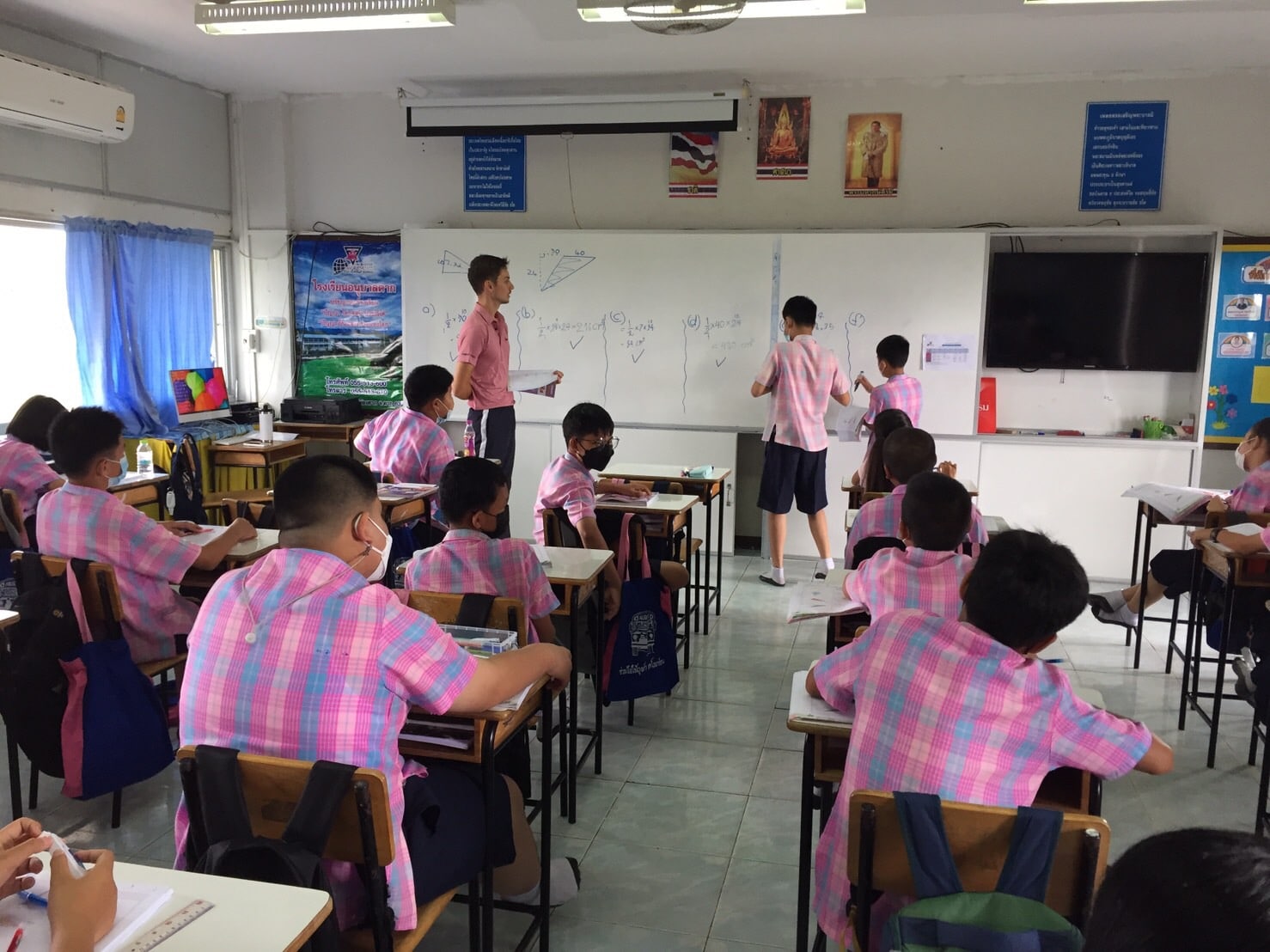
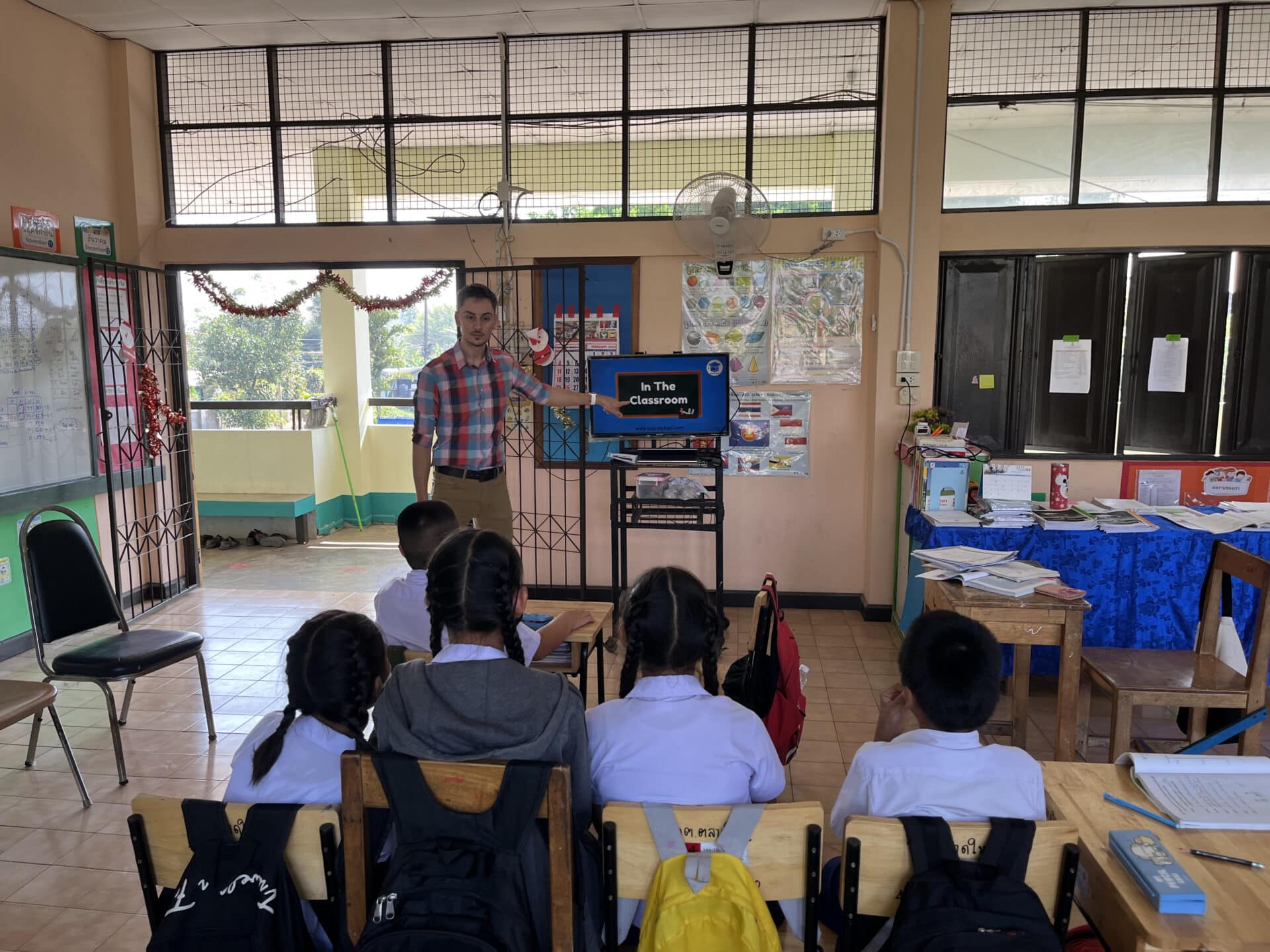
Walking into a Thai classroom was something I could never prepare myself for.
Students would greet you with a bow, and the atmosphere is ridiculously calm — the polar opposite to my first time in a British classroom!
As a female, I found I was met with a certain level of respect. Students would listen attentively, and their drive to learn and develop was immense.
That being said, the hierarchy in the school was clear, but you quickly learn that communication is often indirect. If something isn’t going quite right, it would be suggested rather than stated outright. Again, this was a huge difference to the open confrontation of my British school. Yet this can be confusing as you aren’t directly told what to do but you are given suggestions.
Going in to the school with an open mindset and being ready and aware of potential criticism helps.
Every day is a school day, even for the teachers!
What cultural expectations and social norms should you expect?
Thailand’s culture really does prize politeness and harmony. Small gestures go a long way. From a smile to a quiet correction and, of course, dressing modestly, I found all are essential. From day one, I learned the wai — the traditional Thai greeting where hands are pressed together and a slight bow is made. Students do this when they greet teachers, and as a teacher, returning it is expected.
At first, I felt a bit silly, but I quickly realised it’s more than a greeting — it’s a way to show respect and acknowledge hierarchy.
Read more: What You Should Know About Thai Classroom Culture
Living alone vs shared housing
This was something I was particularly concerned about as it significantly impacts your social life, sense of safety and overall happiness.
Having lived both ways, I wholeheartedly recommend shared housing. Living with fellow teachers creates an instant community. It meant I had someone to vent to after a long day or ask practical questions and truly understand my experiences. While I found Thailand safe, having friends there boosted my confidence, especially when navigating busy streets or exploring new places. Shared bathrooms and kitchens can be challenging, but it’s a small price to pay for friends in a new country.
How to make friends and build a community as an expat
There are definitely moments where you can feel lonely, so building a community and making friends is essential.
Community for me started at work; putting yourself out there by joining staff meals works wonders. I made some fabulous friends I’m still in contact with and learnt all the hidden hot spots from locals. I had friends and tour guides in one! Another big one for me was city-specific expat groups on Facebook; they organise regular social events, which takes all the pressure off you.
Solo exploration and travel opportunities as a female teacher
This is one of the most exciting parts about teaching, the freedom to explore. Thailand is incredibly accessible for travellers – busses, boats, bikes and tuk tuks, you name it they’ve got it. It can be nerve-wracking navigating at first but you quickly discover the locals are always there to offer a helping hand and signs are often in English!
I also found that exploring more cultural hotspots like temples, floating markets and local festivals allowed me to immerse myself in Thai culture in a way that’s impossible on a tourist tour. It allowed me to connect with other travellers and build up that community in a new country.
Read more: What’s The Cost Of Living In Thailand? We Asked Our Teachers


Common myths about teaching in Thailand as a woman
- Thailand is dangerous.
I won’t sugarcoat it, it is very different from the UK but in my personal experience, my daily life was generally very safe. I did not once feel threatened. I took the same basic precautions I would in the UK, making sure my phone was charged, I downloaded maps, and stuck to well-lit areas. Dare I say it felt safer than some UK cities?
- Students won’t respect you as a female.
Teachers are highly respected in Thailand. You are immediately respected in the classroom. I found it enhanced my classroom connection, rather than hindering it.
Realistic challenges women face
Being a foreign woman in a Thai school can make you feel like an outsider, especially when you aren’t speaking the language, but this helped me build resilience and navigate cultural and gender dynamics with confidence.
The heat and your long schedule, mixed with loneliness, can really hit hard; the burnout is real. But the reward is greater: knowing you’ve made a difference to the children keeps you going. The gratitude is immense and is a feeling I can’t even put into words. Your self-worth will skyrocket and you’ll be reminded why you are putting in the hard work.
Read more: The Truth About Teaching English In Thailand: Challenges Nobody Talks About
Why women may thrive in Thailand
After teaching, I found my independence blossomed, from solo adventures to leading a challenging class to managing visas. Thailand isn’t just a destination for teaching; it’s a place that empowers women, nurtures independence, and offers experiences that change you from the inside out. It offered me challenges I never thought as a female I could overcome.
Is Thailand right for you?
If you are willing to put yourself out there and up for a challenge, I couldn’t recommend it enough. I learnt not only new practical skills but also life experience. I grew emotionally and professionally, yet got to unwind and explore in a beautiful city with beautiful people, all whilst getting a tan and eating incredible food. It’s a no-brainer to me.
We get a lot of questions about teaching English in Thailand: How much do TEFL teachers earn in Thailand? What’s the cost of living in Thailand? Can I live on $1,200 a month in Thailand? And if you’re wondering the same things, check out what TTA graduate Brendan has to say:
View this post on Instagram
Author Bio

Accreditation & Quality Assurance
The TEFL Academy was the world’s first TEFL course provider to receive official recognition from government regulated awarding bodies in both the USA and UK. This means when you graduate you’ll hold a globally recognised Level 3 (120hr) Certificate or Level 5 (168hr) Diploma, meaning you can find work anywhere and apply for jobs immediately.