United States
US





How Much Can You Save Teaching English in China?



Last Updated
October 30, 2026


Table of Contents
- Introduction
- How much do teachers earn?
- Cost of living in China
- Factors affecting your savings
- How much can you save?
- How to save more money
- How China compares
- Final thoughts
TEFL teachers in China could save around ¥4,000 – ¥8,000 ($600 – $1,200) per month, depending on their salary, location, housing costs, and overall lifestyle. Teachers who get benefits with their position, like accommodation, meals, or a housing allowance, may be able to save more.
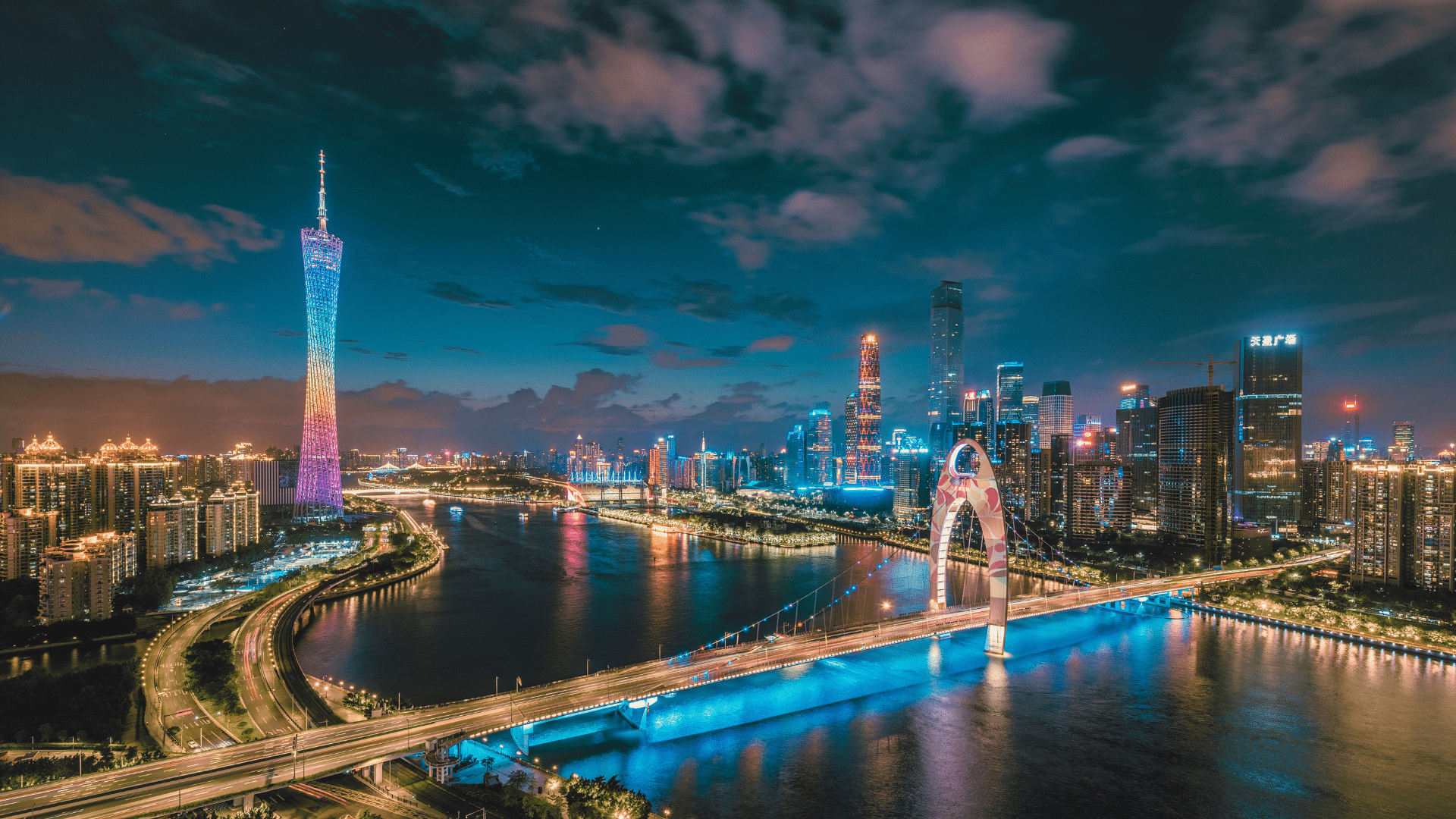
We moved to Guangzhou in Southern China in August 2024 to teach English, experience a new culture, and travel while building our savings. A year on living here, we’ve learned what everyday life really costs, and how much of our TEFL salary we can nestle aside without giving up the things we love.
Here’s a full breakdown of our real expenses, what you can expect to earn, and how to work out how much money you save teaching in China.
Read more: How to Live and Work in China as a Foreigner

How much do TEFL teachers earn in China?
Salaries for English teachers in China vary depending on your location, qualifications, experience, and the type of school you work at. But typically, here’s what you can expect:
- Training centres / private language schools: ¥14,000 – ¥18,000 ($2,100 – $2,675) a month
- Public schools: ¥12,000 – ¥20,000 ($1,800 – $2,985) a month
- International / IB schools: ¥18,000 – ¥30,000+ ($2,675 – $4,475+) a month
- Private tutoring: ¥200 – ¥500 ($30 – $75) an hour depending on the client
According to a first-hand case study conducted by The TEFL Academy, 85.6% of 292 TEFL jobs in China listed at least one benefit; these perks include housing allowances, free meals, and health insurance – all of which can dramatically help your ability to save.
Our real numbers
We teach at an international primary school in Guangzhou. Our salary is ¥24,000 ($3,580) a month before tax, and we also receive a housing allowance of ¥500 ($75) each month before tax. Our school provides basic health insurance, and we get three free meals a day at school.
Taxes are usually around 10%, and even after tax, we earn more than enough to live comfortably, travel, and still save.
Editor’s note: Your tax rate depends on your salary. Schools typically withhold your tax from your salary and file your taxes on your behalf, so you don’t need to worry about the paperwork.
What’s the cost of living in China for TEFL teachers?
Your monthly expenses depend largely on your city and your lifestyle. But here’s a realistic breakdown of our real, everyday costs.
Read more: Living in a Tier 1 City in China

Housing
Our two-bedroom apartment in Panyu District, Guangzhou:
¥4,000 ($600) total a month — so ¥2,000 ($300) each
Typical rent around China:
- Tier 1 cities (Shanghai, Beijing): ¥6000 – ¥18,000 ($900 – $2,700) for a 1-bedroom
- Tier 2 and 3 cities (Hangzhou, Chengdu, Nanjing): ¥3,000 – ¥8,000 ($450 – $1,200) for a 1-bedroom
- Some schools offer free or subsidised housing — a massive money saver
💡 Note: The closer you live to the city centre, the higher the rent is. Living in the suburbs or districts outside of the city centre allows a great opportunity to save. Also, when moving in, you’ll likely pay 1 – 3 months upfront plus a deposit, so bring savings!
Read more: Living in a Tier 2 or Tier 3 City in China
Food & Groceries
Food in China can be incredibly cheap — unless you love imported snacks (we are SO guilty).
- Breakfast baozi/jianbing: ¥10 – ¥20 ($1.50 – $3)
- Dinner at a local Chinese restaurant: ¥30 – ¥50 ($4.50 – $7.50) per person
- Western restaurant meal: ¥100 – ¥150 ($15 – $22.50) per person
- Groceries (our monthly average): ¥2,000 ($300) per person
- Imported cheese? Between ¥40 ($6) and ¥90 ($13.50) – totally worth it, though!
Transport
China’s transport system is one of the best and cheapest we’ve ever seen.
- Metro: approximately ¥6 ($0.90) per ride
- Didi across town: ¥20 – ¥60 ($3 – $9)
- Monthly cost: ¥250 – ¥300 ($37.50 – $45)
Some teachers buy electric scooters for ¥4,000 – ¥6,000 ($600 – $895), which cost almost nothing to charge. Fortunately for us, we live in a community that has a free bus service, which we use to travel between home and school.
Utilities
For a two-bedroom apartment:
- Electricity: ¥200 – ¥700 ($30 – $105) – honestly, this depends on your aircon usage! In summer, our electricity bill goes up A LOT!
- Water: ¥50 ($7.50)
- Gas: ¥30 – ¥60 ($4.50 – $9)
- Internet: ¥150 – ¥200 ($22.50 – $30)
Total: ¥500 – ¥800 ($75 – $120) a month
Split between two people, it becomes a lot more affordable and easier to save.
Leisure & Lifestyle
China has so many cafés, malls, museums, fitness studios, and quirky experiences.
- Coffee: ¥30 ($4.50)
- Gym membership: ¥200 – ¥400 ($30 – $60) a month
- Movie tickets: ¥35 – ¥50 ($5.20 – $7.50)
- Massage/spa day: ¥150 – ¥300 ($22.50 – $45)
- Dinner & drinks: ¥200 – ¥300 ($30 – $45)
We personally spend around ¥1,000 – ¥1,500 ($150 – $225) per month on “weekend entertainment.”
Read more: The Cost of Living in China for TEFL Teachers (2026)
Big city vs small city savings
In big cities like Shanghai, Beijing, or Guangzhou, your monthly spending might fall somewhere between ¥8,000 – ¥20,000 ($1,195 – $2,985), including all of the expenses mentioned above. Of course, your spending may be way less if you budget well or you live frugally in general.
Realistically speaking, we’d even say that your savings could be closer to ¥8,000 – ¥12,000 ($1,195 – $1,800). We personally aim to save half our salary each month.
In smaller or mid-sized cities like Chengdu, Hangzhou, Xi’an, or Nanjing, your monthly spending may be somewhere between ¥5,000 and ¥11,000 ($745 and $1,640). Rent in these cities is much lower, which = higher savings potential.
What affects how much you can save in China?
- Job perks
Housing allowances, free lunches, health insurance, and paid holidays can save you thousands every year.
- Side income from tutoring
If you are tutoring privately, you can charge anywhere from ¥150 – ¥500 ($22.50 – $75) an hour. Possibly even more depending on your location, the family, and the commute. Your rate will depend on your teaching experience too.
- Lifestyle choices
Buying imported goods, eating at Western restaurants, and nightlife add up quickly. We can confidently say that local options are SO much cheaper.
- Social media/content creation
Some teachers earn a bit extra through brand collaborations or part-time projects, depending on visa restrictions.
- Travel habits
China is huge — weekend trips can be cheap or expensive depending on how you plan and when you travel. A general piece of advice: do not travel around China during Chinese national holidays. Trust us!
How much can English teachers save per month in China?
This depends on:
- your city
- your rent
- how often you go out or eat Western food
- whether you tutor or earn any additional income
- whether your school offers perks
An honest answer? You could save around ¥4,000 to ¥8,000 ($600 to $1,200) a month, or maybe even more!
Personally, we save more than half our salary some months, and we still go out, travel, and enjoy life. This is VERY normal for teachers in China.
What does that look like over time?
| Monthly savings | Annual savings (CNY) | Annual savings (USD) |
| ¥4,000 | ¥48,000 | $7,150 |
| ¥6,000 | ¥72,000 | $10,745 |
| ¥8,000 | ¥96,000 | $14,350 |
*Figures are approximate USD conversions
If you budget well, you absolutely have the potential to:
- pay off loans
- save for travel
- build a safety net
- live comfortably in a modern city
- avoid financial stress
And honestly, that’s pretty priceless.
How to calculate your personal savings
To help give yourself a better idea of the sorts of money you can expect to be putting into your nest egg each month, use this handy savings calculator, courtesy of our friends from The TEFL Academy:
Take-home pay + usable benefits – monthly expenses = savings
Count a housing allowance or free meals only once. Use your post-tax net pay, and keep one-off relocation expenses separate from recurring costs.

How to save more money while teaching in China
These are the exact things we do.
- Cook at home
Local groceries are incredibly cheap, and so easy to buy.
- Use Chinese apps
Meituan, Taobao, and Pinduoduo often have incredible deals or vouchers that can be used on many things.
- Take the metro
It’s cheap, fast, and reliable. Didi (the local taxi service, like Uber) is great for shorter distances.
- Limit imported goods
This is our weakness — we love trying all sorts of goodies that come from countries across the globe. It’s good to treat yourself, but it can be expensive.
- Track your expenses
WeChat and Alipay (the two most common ways of paying for things) have a built-in expense-tracking system, which makes it so easy to track your spending.
- Travel smart
Using the high-speed railway makes travelling more affordable when you plan ahead, and travelling outside of Chinese national holidays makes accommodation much cheaper.
How China compares to other TEFL destinations
We’ve also taught in South Korea, and here’s the difference in one sentence:
👉 China offers a better balance between good salaries, low daily costs, a modern lifestyle, work-
life balance, and the ability to save without sacrificing fun. For more context, the top-end salary of a TEFL teacher in South Korea is ¥14,000 ($2,090) before tax. Plus, the working hours are longer, vacation days are a fraction of those in China, and the cost of living is way higher.
After chatting to friends teaching in other countries in Asia, we can confidently say that China offers some of the best opportunities to save while living comfortably.
Read more: Teaching English in China vs South Korea
Final thoughts
China is one of the most savings-friendly TEFL destinations out there. With good salaries, lower living costs, and great job benefits, it’s absolutely possible to live well and save thousands each year. If you’re thinking about making the move, do it! And if you haven’t started your TEFL journey yet, The TEFL Academy is the perfect place to begin!
Read more: Why You Should Move to China

Author Bio
Table of Contents
- Introduction
- How much do teachers earn?
- Cost of living in China
- Factors affecting your savings
- How much can you save?
- How to save more money
- How China compares
- Final thoughts
TEFL teachers in China could save around ¥4,000 – ¥8,000 ($600 – $1,200) per month, depending on their salary, location, housing costs, and overall lifestyle. Teachers who get benefits with their position, like accommodation, meals, or a housing allowance, may be able to save more.
We moved to Guangzhou in Southern China in August 2024 to teach English, experience a new culture, and travel while building our savings. A year on living here, we’ve learned what everyday life really costs, and how much of our TEFL salary we can nestle aside without giving up the things we love.
Here’s a full breakdown of our real expenses, what you can expect to earn, and how to work out how much money you save teaching in China.
Read more: How to Live and Work in China as a Foreigner
How much do TEFL teachers earn in China?
Salaries for English teachers in China vary depending on your location, qualifications, experience, and the type of school you work at. But typically, here’s what you can expect:
- Training centres / private language schools: ¥14,000 – ¥18,000 ($2,100 – $2,675) a month
- Public schools: ¥12,000 – ¥20,000 ($1,800 – $2,985) a month
- International / IB schools: ¥18,000 – ¥30,000+ ($2,675 – $4,475+) a month
- Private tutoring: ¥200 – ¥500 ($30 – $75) an hour depending on the client
According to a first-hand case study conducted by The TEFL Academy, 85.6% of 292 TEFL jobs in China listed at least one benefit; these perks include housing allowances, free meals, and health insurance – all of which can dramatically help your ability to save.
Our real numbers
We teach at an international primary school in Guangzhou. Our salary is ¥24,000 ($3,580) a month before tax, and we also receive a housing allowance of ¥500 ($75) each month before tax. Our school provides basic health insurance, and we get three free meals a day at school.
Taxes are usually around 10%, and even after tax, we earn more than enough to live comfortably, travel, and still save.
Editor’s note: Your tax rate depends on your salary. Schools typically withhold your tax from your salary and file your taxes on your behalf, so you don’t need to worry about the paperwork.
What’s the cost of living in China for TEFL teachers?
Your monthly expenses depend largely on your city and your lifestyle. But here’s a realistic breakdown of our real, everyday costs.
Read more: Living in a Tier 1 City in China
Housing
Our two-bedroom apartment in Panyu District, Guangzhou:
¥4,000 ($600) total a month — so ¥2,000 ($300) each
Typical rent around China:
- Tier 1 cities (Shanghai, Beijing): ¥6000 – ¥18,000 ($900 – $2,700) for a 1-bedroom
- Tier 2 and 3 cities (Hangzhou, Chengdu, Nanjing): ¥3,000 – ¥8,000 ($450 – $1,200) for a 1-bedroom
- Some schools offer free or subsidised housing — a massive money saver
💡 Note: The closer you live to the city centre, the higher the rent is. Living in the suburbs or districts outside of the city centre allows a great opportunity to save. Also, when moving in, you’ll likely pay 1 – 3 months upfront plus a deposit, so bring savings!
Read more: Living in a Tier 2 or Tier 3 City in China
Food & Groceries
Food in China can be incredibly cheap — unless you love imported snacks (we are SO guilty).
- Breakfast baozi/jianbing: ¥10 – ¥20 ($1.50 – $3)
- Dinner at a local Chinese restaurant: ¥30 – ¥50 ($4.50 – $7.50) per person
- Western restaurant meal: ¥100 – ¥150 ($15 – $22.50) per person
- Groceries (our monthly average): ¥2,000 ($300) per person
- Imported cheese? Between ¥40 ($6) and ¥90 ($13.50) – totally worth it, though!
Transport
China’s transport system is one of the best and cheapest we’ve ever seen.
- Metro: approximately ¥6 ($0.90) per ride
- Didi across town: ¥20 – ¥60 ($3 – $9)
- Monthly cost: ¥250 – ¥300 ($37.50 – $45)
Some teachers buy electric scooters for ¥4,000 – ¥6,000 ($600 – $895), which cost almost nothing to charge. Fortunately for us, we live in a community that has a free bus service, which we use to travel between home and school.
Utilities
For a two-bedroom apartment:
- Electricity: ¥200 – ¥700 ($30 – $105) – honestly, this depends on your aircon usage! In summer, our electricity bill goes up A LOT!
- Water: ¥50 ($7.50)
- Gas: ¥30 – ¥60 ($4.50 – $9)
- Internet: ¥150 – ¥200 ($22.50 – $30)
Total: ¥500 – ¥800 ($75 – $120) a month
Split between two people, it becomes a lot more affordable and easier to save.
Leisure & Lifestyle
China has so many cafés, malls, museums, fitness studios, and quirky experiences.
- Coffee: ¥30 ($4.50)
- Gym membership: ¥200 – ¥400 ($30 – $60) a month
- Movie tickets: ¥35 – ¥50 ($5.20 – $7.50)
- Massage/spa day: ¥150 – ¥300 ($22.50 – $45)
- Dinner & drinks: ¥200 – ¥300 ($30 – $45)
We personally spend around ¥1,000 – ¥1,500 ($150 – $225) per month on “weekend entertainment.”
Read more: The Cost of Living in China for TEFL Teachers (2026)
Big city vs small city savings
In big cities like Shanghai, Beijing, or Guangzhou, your monthly spending might fall somewhere between ¥8,000 – ¥20,000 ($1,195 – $2,985), including all of the expenses mentioned above. Of course, your spending may be way less if you budget well or you live frugally in general.
Realistically speaking, we’d even say that your savings could be closer to ¥8,000 – ¥12,000 ($1,195 – $1,800). We personally aim to save half our salary each month.
In smaller or mid-sized cities like Chengdu, Hangzhou, Xi’an, or Nanjing, your monthly spending may be somewhere between ¥5,000 and ¥11,000 ($745 and $1,640). Rent in these cities is much lower, which = higher savings potential.
What affects how much you can save in China?
- Job perks
Housing allowances, free lunches, health insurance, and paid holidays can save you thousands every year.
- Side income from tutoring
If you are tutoring privately, you can charge anywhere from ¥150 – ¥500 ($22.50 – $75) an hour. Possibly even more depending on your location, the family, and the commute. Your rate will depend on your teaching experience too.
- Lifestyle choices
Buying imported goods, eating at Western restaurants, and nightlife add up quickly. We can confidently say that local options are SO much cheaper.
- Social media/content creation
Some teachers earn a bit extra through brand collaborations or part-time projects, depending on visa restrictions.
- Travel habits
China is huge — weekend trips can be cheap or expensive depending on how you plan and when you travel. A general piece of advice: do not travel around China during Chinese national holidays. Trust us!
How much can English teachers save per month in China?
This depends on:
- your city
- your rent
- how often you go out or eat Western food
- whether you tutor or earn any additional income
- whether your school offers perks
An honest answer? You could save around ¥4,000 to ¥8,000 ($600 to $1,200) a month, or maybe even more!
Personally, we save more than half our salary some months, and we still go out, travel, and enjoy life. This is VERY normal for teachers in China.
What does that look like over time?
| Monthly savings | Annual savings (CNY) | Annual savings (USD) |
| ¥4,000 | ¥48,000 | $7,150 |
| ¥6,000 | ¥72,000 | $10,745 |
| ¥8,000 | ¥96,000 | $14,350 |
*Figures are approximate USD conversions
If you budget well, you absolutely have the potential to:
- pay off loans
- save for travel
- build a safety net
- live comfortably in a modern city
- avoid financial stress
And honestly, that’s pretty priceless.
How to calculate your personal savings
To help give yourself a better idea of the sorts of money you can expect to be putting into your nest egg each month, use this handy savings calculator, courtesy of our friends from The TEFL Academy:
Take-home pay + usable benefits – monthly expenses = savings
Count a housing allowance or free meals only once. Use your post-tax net pay, and keep one-off relocation expenses separate from recurring costs.
How to save more money while teaching in China
These are the exact things we do.
- Cook at home
Local groceries are incredibly cheap, and so easy to buy.
- Use Chinese apps
Meituan, Taobao, and Pinduoduo often have incredible deals or vouchers that can be used on many things.
- Take the metro
It’s cheap, fast, and reliable. Didi (the local taxi service, like Uber) is great for shorter distances.
- Limit imported goods
This is our weakness — we love trying all sorts of goodies that come from countries across the globe. It’s good to treat yourself, but it can be expensive.
- Track your expenses
WeChat and Alipay (the two most common ways of paying for things) have a built-in expense-tracking system, which makes it so easy to track your spending.
- Travel smart
Using the high-speed railway makes travelling more affordable when you plan ahead, and travelling outside of Chinese national holidays makes accommodation much cheaper.
How China compares to other TEFL destinations
We’ve also taught in South Korea, and here’s the difference in one sentence:
👉 China offers a better balance between good salaries, low daily costs, a modern lifestyle, work-
life balance, and the ability to save without sacrificing fun. For more context, the top-end salary of a TEFL teacher in South Korea is ¥14,000 ($2,090) before tax. Plus, the working hours are longer, vacation days are a fraction of those in China, and the cost of living is way higher.
After chatting to friends teaching in other countries in Asia, we can confidently say that China offers some of the best opportunities to save while living comfortably.
Read more: Teaching English in China vs South Korea
Final thoughts
China is one of the most savings-friendly TEFL destinations out there. With good salaries, lower living costs, and great job benefits, it’s absolutely possible to live well and save thousands each year. If you’re thinking about making the move, do it! And if you haven’t started your TEFL journey yet, The TEFL Academy is the perfect place to begin!
Read more: Why You Should Move to China
Author Bio