 United States
US
United States
US








Teaching English In China vs South Korea: Which Is Better In 2026?


Last Updated
May 26, 2026


Table of Contents
- Introduction
- South Korea vs China
- Teaching hours & workload
- Challenges
- Cost of living
- Daily routine
- Connecting with others
- Food, fun & getaways
- Types of people
- Why are they popular
- China vs South Korea: At a glance
- Final thoughts
Trying to choose between teaching English in China or South Korea? Both are incredible TEFL destinations; however, the experience of living and working in each country can vary hugely.
After living and teaching in both countries, I can honestly say the answer completely depends on the sort of lifestyle, workload, and experience you’re looking for. South Korea offers a more structured, beginner-friendly experience, whereas China is home to a better work-life balance, stronger savings potential, and more variety in the day-to-day living.
In this guide to teaching in South Korea vs China, I’ll compare:
- Salaries and savings,
- Teaching hours,
- Social life,
- Travel opportunities,
- Classroom culture,
- And the realities of living day-to-day in these countries.
Hi! I’m Erin, a TEFL teacher from Cape Town, South Africa, with more than five years of teaching experience. I began my teaching journey in South Korea before moving to Guangzhou, China, where I’ve been teaching for almost a year and a half.
So grab some tea and biscuits, and let’s chat about it!
Quick answer: South Korea vs China for TEFL teachers
- Choose South Korea if you’re a first-time TEFL teacher looking for structure, support, and an easier transition to working abroad
- Choose China if you want better savings potential, more flexibility, and a stronger work-life balance.
Job opportunities: China vs South Korea
- China: more teaching options, experience preferred
- South Korea: friendly option for inexperienced teachers
Both South Korea and China have a strong demand for English teachers. However, the job markets differ, especially when it comes to entry-level opportunities and long-term career progression.
China
China’s ESL job market is much broader and more diverse. English teachers can work in:
- Public schools
- International schools
- Kindergartens
- Private training centres
Read more: Language Schools vs Public Schools In China: Which ESL Teaching Job Is Better?
For new TEFL teachers, the most accessible options are private training centres and kindergartens. These schools are generally open to hiring first-time teachers, often provide teaching materials, and sometimes offer on-the-job training. Many teachers use these roles to gain experience during their first year or two in China.
International schools usually require a minimum of two years of teaching experience. They follow international curricula and have higher expectations for lesson planning, assessments, and overall professionalism. Some public schools may also prefer candidates with experience in the classroom.
Regardless of experience, there are a few non-negotiable requirements for teaching legally in China. You’ll need:
- A Bachelor’s degree
- A TEFL certificate (120+ hours) — this is a government requirement
- To meet visa and background check requirements
Read more: How To Live & Work In China As A Foreigner
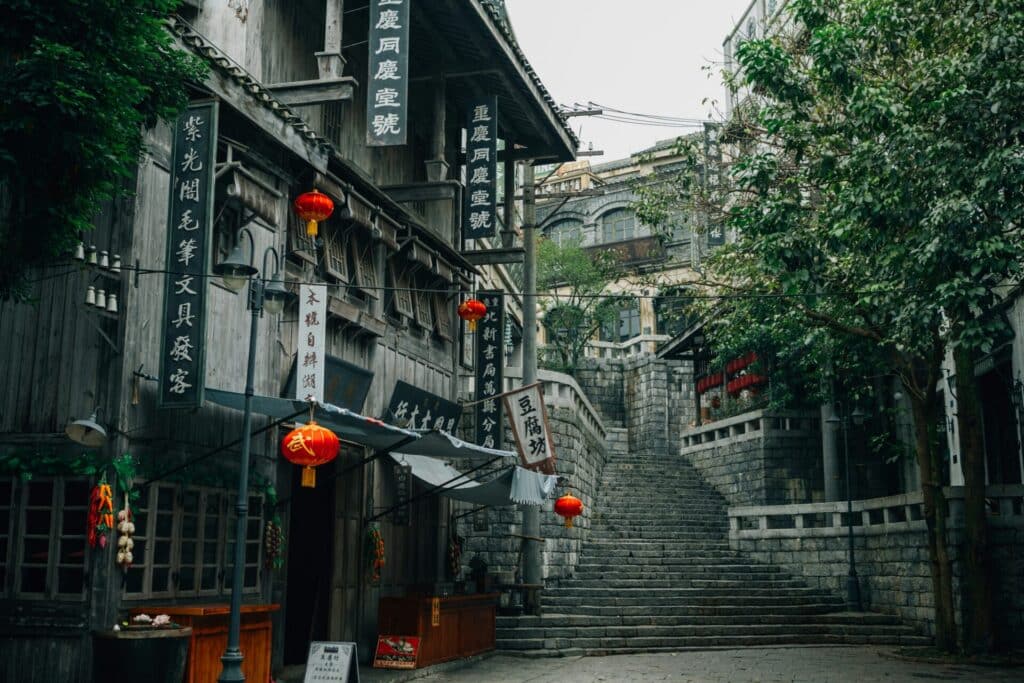
While it’s possible to start teaching in China without teaching experience, having some under your belt makes securing a position much easier, especially if you’re aiming for higher-paying positions or teaching roles with lighter workloads and fewer teaching hours.
South Korea
In South Korea, most English teaching jobs fall into two main categories:
- Public schools
- Private English academies or hagwons
Public school positions are typically filled through the EPIK programme, which places teachers in public schools nationwide. These roles are structured, have set working hours, and often include benefits like housing or a housing allowance.
Hagwons are private language academies and are often the most common entry point for new teachers. They operate with their own schedules and teaching styles, and they mostly hire throughout the year.
I found it relatively easy to find a job as a new teacher. My friend and I both secured positions at a hagwon despite having very little teaching experience at the time. If you’re new to TEFL, South Korea is a great place to start.
Read more: What Is A Hagwon? Unpacking The Secrets Of South Korea’s Popular Learning Centres
Teaching hours and workload compared
- China: more predictable days and longer lunch breaks
- South Korea: more structured hours, faster pace in private academies
China
In China, teaching hours are often lower overall, but expectations vary widely depending on the type of school.
Public schools
Public school teachers work during the day (typically 8.30 am – 4.30 pm) and have weekends off. Class sizes are larger than in Korea, ranging from 40 to 50 students.
Teaching loads are lighter, often around 16 – 22 teaching hours a week. Planning is required, but the pace is generally manageable.
Kindergartens
Kindergarten roles follow daytime schedules similar to public schools, but can be physically demanding. Teachers may be more involved in activities, routines, and classroom management, but teaching hours are usually lower than at training centres.
Private training centres
Training centres are similar to South Korea’s hagwons. They often require evening and weekend work, have faster-paced schedules, and involve more teaching hours. Materials are usually provided, but days can feel busy and intense.
International schools
International schools follow a traditional school timetable and usually have higher expectations around lesson planning, meetings, assessments, and professionalism. Teaching hours may be reasonable, but the workload outside the classroom can be heavier.
While not every school offers it, one standout perk of teaching in China is the long lunch break — often around two hours — especially in public schools, kindergartens and international schools. It really is fantastic!
Read more: Teaching In A Language School Vs A Bilingual School In China: A Q&A
South Korea
Teachers usually work 30 – 40+ hours a week, with a workload that is fairly structured and predictable.
Public schools (EPIK programme)
Public school teachers generally work weekday hours, usually around 8.30 am – 4.30 pm. Teaching loads are lighter, averaging 20 – 22 classes a week, and lessons follow a fixed national curriculum.
Editor’s note: In public schools, TEFL teachers don’t always follow the national curriculum. Many focus on conversation or skills-based lessons, and how structured things are depends on the school.
Classes are large — often with 30 to 40 students — and teachers usually co-teach with a Korean teacher. Evenings and weekends are free, making this a popular option for teachers seeking balance.
Read more: Discover The EPIK Programme: Your Gateway To Teaching English In South Korea
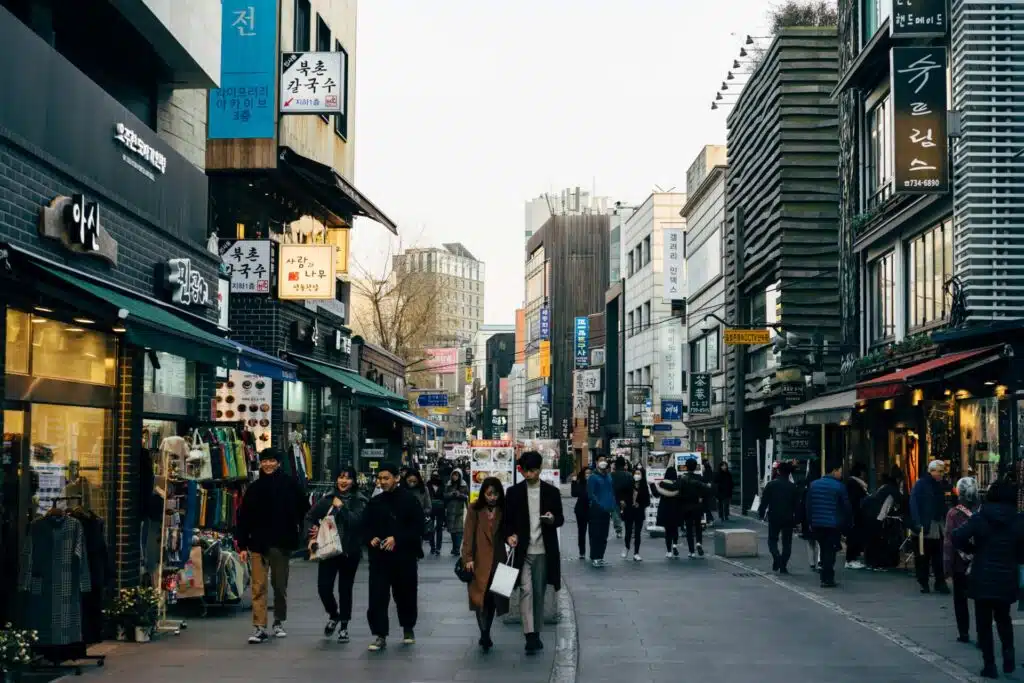
Private English academies
Also known as hagwons, private English academies tend to have longer working hours and a more intense pace. Schedules often start late morning or early afternoon and run into the evening. Teachers can expect back-to-back lessons, fewer breaks, and a higher number of teaching hours in a week.
Class sizes are smaller — about 10 to 15 students. Teaching materials are usually provided, but prep time can be limited. These roles can feel demanding, especially for new teachers.
The challenges of teaching in China vs South Korea
- China and South Korea: Language barriers, teething difficulties
Teaching in both South Korea and China comes with a period of adjustment. Most of the challenges teachers face are very normal and get easier with time.
One of the biggest challenges in both countries is the language barrier.
While English is spoken in schools, daily life outside the classroom can feel tricky at first — whether it’s ordering food, buying groceries, reading signs, or running simple errands like going to the dentist or doctor.
In China, many language-barrier challenges are made easier through technology. You can do/buy almost everything online — China’s society is basically cashless!
I found Korean slightly easier to pick up than Mandarin, which helped with everyday communication in South Korea.
Read more: How To Learn The Local Language
Another common adjustment is getting around a new city.
It takes time to figure out public transportation, locate your preferred stores or cafes, and become familiar with both locations. At first, cities can seem hectic and overwhelming, but once you establish a routine, things start to feel more familiar.
There are also, of course, cultural differences, such as public etiquette, food habits, and social norms. These aren’t usually major issues, but they do require some awareness and openness.
Overall, while both countries have their challenges, they’re very manageable. With time, patience, and a sense of curiosity, most teachers settle in quickly. The benefits of living and teaching abroad often far outweigh the initial adjustments.
Read more: Can You Teach English In China Without Speaking Chinese?
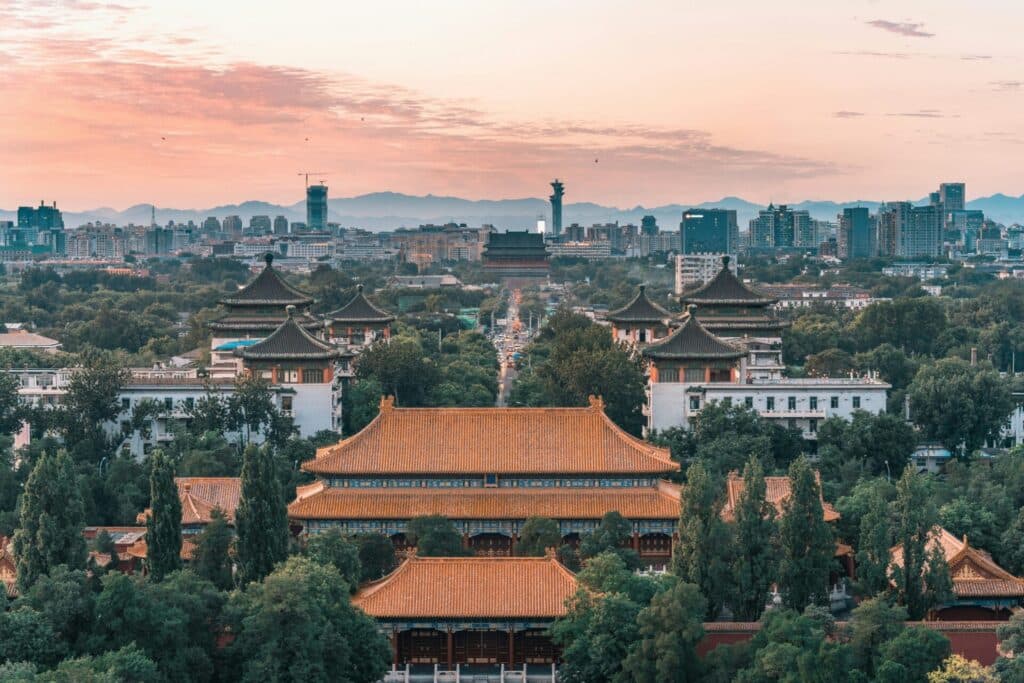
Cost of living: China vs South Korea
- China: cheaper, better savings potential
- South Korea: better accommodation packages
Both China and South Korea can be affordable for TEFL teachers, but how far your salary goes depends heavily on the city and type of school.
Rent
Rent is one of the biggest differences between the two countries.
In China, rent varies massively by city. In smaller Tier 2 cities, rent can be as low as ¥2,000 – ¥4,000 ($290–$580) a month. In major cities, like Shanghai, Beijing, or Shenzhen, it can range anywhere from ¥8,000 – ¥18,000 ($1,160–$2,610) or more for a modern apartment.
The upside is that salaries generally reflect the cost of living, and many schools offer either a housing allowance or free accommodation, which significantly reduces monthly expenses.
Read more: What Is The Average Teaching Salary In China?
In Korea, rent is more standardised for teachers because most public schools and hagwons provide free housing or a housing stipend. This removes one of the biggest causes of financial stress for new teachers, making budgeting much simpler.
However, if you do choose to rent independently, especially in major cities like Seoul, expect high costs and large deposits.
Read more: The Cost Of Living In China For TEFL Teachers
Utilities and internet
Utilities in both countries are generally affordable. China tends to be slightly cheaper for electricity, water, and mobile data, especially outside of top-tier cities. Internet and phone plans are inexpensive and reliable in both locations.
Food
In China, food costs are noticeably cheaper. Local food — whether cooking at home or eating out — is very affordable, and meals can cost just a few dollars. Groceries, especially local produce, are inexpensive.
In South Korea, food is affordable, but eating out regularly or buying imported goods can add up quickly. Groceries tend to be pricier, especially fruits, vegetables, and Western products.
Read more: What It’s Like Teaching In South Korea: Rural VS Urban Living Compared
Transport
Public transport in both countries is excellent, efficient, and affordable.
China’s metro systems are extremely cheap, even in large cities, and high-speed trains make domestic travel accessible.
South Korea’s transport is slightly more expensive but still very reasonable, clean, and easy to use. Taxis in South Korea are noticeably pricier compared with those in China.
General expenses and lifestyle
Daily expenses like entertainment, gyms, cafés, and shopping vary by city in both countries. China often offers more budget-friendly lifestyle options, while South Korea can feel slightly more expensive for social activities, especially in major urban areas.
Saving potential
Both countries offer great saving potential, but China generally allows teachers to save more, particularly if housing is provided and you’re living outside the most expensive cities.
South Korea still allows for consistent savings, especially with free housing, but higher food and lifestyle costs can reduce how much you put away each month.
Read more: How Much Money Can You Save Teaching In South Korea In 2026?
Daily routine
- China: balanced routines with longer breaks and more free evenings
- South Korea: structured weekdays with a steady, predictable routine
Day-to-day life as an English teacher in South Korea and China differs largely due to the type of school, working hours, and pace of life. Both countries offer structured routines, but how your weekdays feel — and how much energy you have afterwards — can vary a lot.
Public schools
In China, day-to-day life tends to feel quite balanced, especially if you’re working at a public school or international school.
A typical day runs from around 8.30 am – 4.30 pm, with morning and/or afternoon classes. After teaching, free periods are spent on lesson planning, catching up on admin or attending meetings. Teachers usually enjoy a two-hour lunch break, giving them time to eat or take a short nap.
Evenings are truly free, giving you time to exercise, meet friends, explore your city, or work on personal projects, like content creation.
Read more: Things To Know About Chinese Classroom Culture
In Korea, a typical weekday teaching at a public school starts early. Teachers often arrive around 8.30 am and finish between 4.30 and 5.00 pm. Mornings are spent teaching classes, assisting Korean co-teachers, or preparing lessons.
Class sizes can be large, but the workload is fairly manageable. Afternoons are often quieter, with desk warming, lesson planning, or marking.
Editor’s note: Desk warming is a practice in some schools in Korea and Japan where teachers are contractually required to be present at school for a full day during breaks or quiet periods, often when no classes are taught, and few staff are around.
Once school ends, your evenings are usually free. Many teachers use this time to go to the gym, meet friends, explore cafés, or simply relax at home. The routine feels stable and predictable, making it easier to settle into a rhythm during the week.
Private language centres
China’s private training centres are fast-paced and lesson-heavy. A typical day might start in the late morning or early afternoon and run into the evening, often including weekend classes.
Teachers usually have back-to-back lessons, with anywhere from four to eight classes a day, depending on the centre. Prep time is limited — sometimes just one hour a day. Sometimes you need to prepare materials on the go. While the days can feel busy, training centres often provide teaching materials and guidance, which helps.
These roles are great for gaining experience quickly, improving classroom management skills, and building confidence, though evenings can feel tiring after a full day of lessons.
In Korea, teaching hours at a hagwon can vary a lot. Some academies start work in the early afternoon (around 2.00 pm) and run until the evening (until 9.00 pm – 10.00 pm).
I’ve also experienced long days that run from around 9.00 am – 7.00 pm. Classes are usually back-to-back, with 5 to 10 lessons a day, and teachers often get around one hour of prep time. It’s an energetic, fast-paced environment. By the evenings, it’s normal to feel exhausted, but you still have some free time to relax.
Read more: Things To Know About South Korean Classroom Culture
Chinese kindergartens
A day teaching at a kindergarten in China usually starts in the morning, around 8.30 – 9.00 am, and finishes in the early afternoon, often by 3.30 – 4.00 pm. Classes are shorter but more frequent, and teachers are actively involved in play-based learning, activities, and classroom management.
While the teaching hours aren’t extremely high — usually around four to five lessons a day — the work can be physically demanding, as you’re constantly moving and engaging Young Learners.
One of the best parts is that many kindergartens include a long lunch break, giving you time to recharge, plan lessons, or even take a short rest.
Overall, it’s a fast-paced, lively environment but with a predictable schedule that allows plenty of downtime in the afternoons.
Read more: The Magic Of Daily Classroom Routines For Young Learners
How easy is it to connect with locals and build a social life in each country?
- China and South Korea: integration takes time, but it’s possible if you’re open and proactive
China
In China, locals are generally warm and curious about foreigners, although the language barrier can make socialising more challenging. The expat community is very active, especially in major cities like Guangzhou, Shanghai, or Beijing. There are many communities to join, from social groups to teacher networks.
Making friends at work is common, and social events with colleagues or fellow teachers are often a natural way to meet people.
South Korea
Locals are generally friendly and welcoming, but the language barrier can make forming deeper friendships a little slower. Some English is spoken in school, particularly in Seoul, but outside the classroom, day-to-day communication can be tricky without some Korean.
The expat community is strong, particularly in major cities like Seoul, Busan, or Daegu.
For new teachers, meeting other expats through work is usually easy — colleagues, other teachers, or social networking events can help you start building your circle. Joining hobby clubs, language exchanges, or fitness groups is another great way to meet like-minded people.
Tips for building connections:
- Be proactive: Attend meet-ups, social events, or language exchanges.
- Be open: explore local foods and try new experiences
- Learn some local language basics: Even a few words go a long way.
- Join communities: Teacher networks, hobby clubs, or online expat groups are fantastic.
- Give it time: Building meaningful friendships abroad doesn’t happen overnight, but it’s achievable.
Read more: Living And Teaching In South Korea As A South African: A Q&A With Sonya
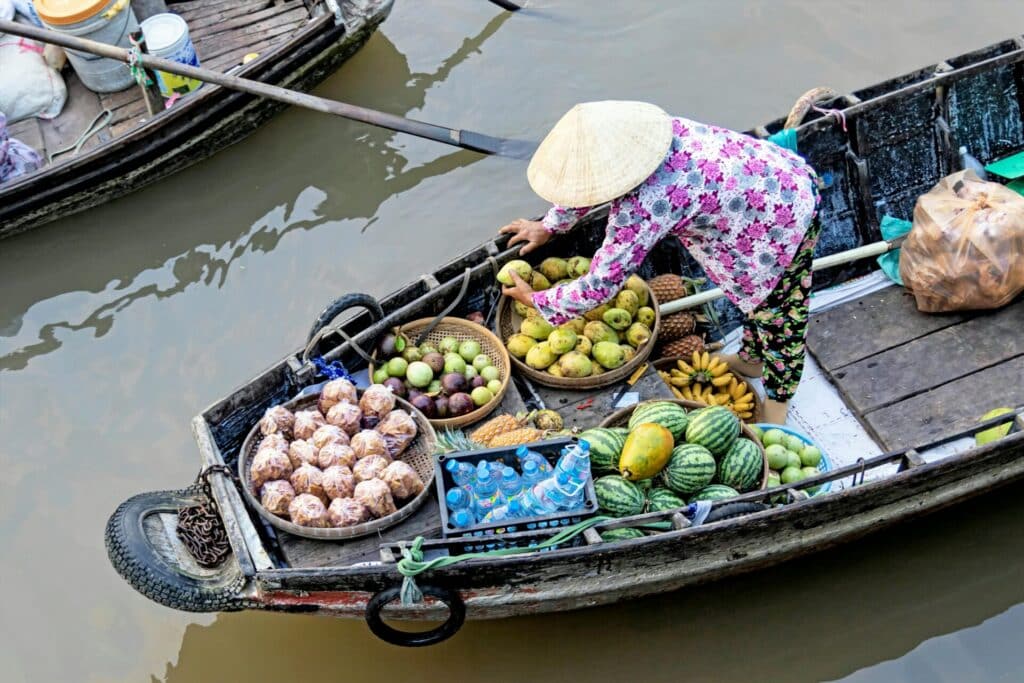
Which country offers more when it comes to food, fun, and weekend getaways?
- China and South Korea: whatever your heart desires!
China
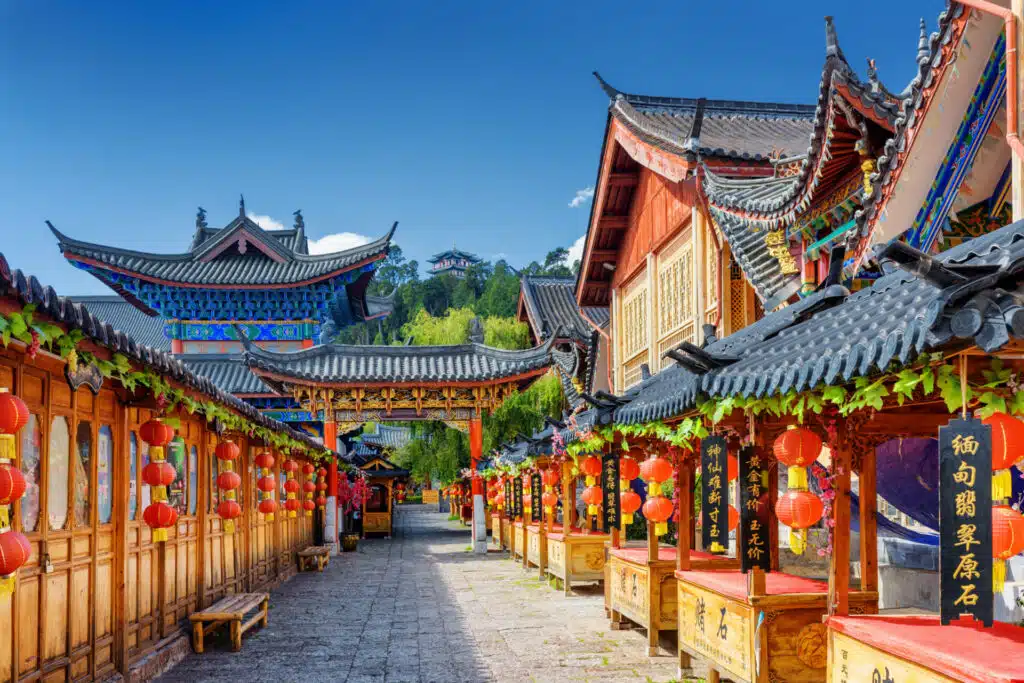
China offers an incredible variety of experiences and destinations. The food scene is diverse, with each region having its own specialities — from dim sum in Guangdong to spicy Sichuan dishes and hand-pulled noodles in the north. Cafés, street markets, and Western restaurants are easy to find, making it possible to try something new every day.
Larger cities like Guangzhou, Shanghai, and Beijing have great nightlife and cultural scenes, including museums, concerts, cinemas, and weekend events. Weekend travel is also easy and relatively affordable.
My friend and I explored a few cities, including Chengdu, Chongqing, Zhangjiajie, and Shanghai, and it’s incredible how different each place feels!
The culture, food, and overall vibe can change completely within just a few hours.
China offers unmatched diversity — from cuisine to landscapes to city life — and its vast size makes every weekend getaway feel like a mini holiday.
Read more: Why You Should Move To China To Teach English
South Korea
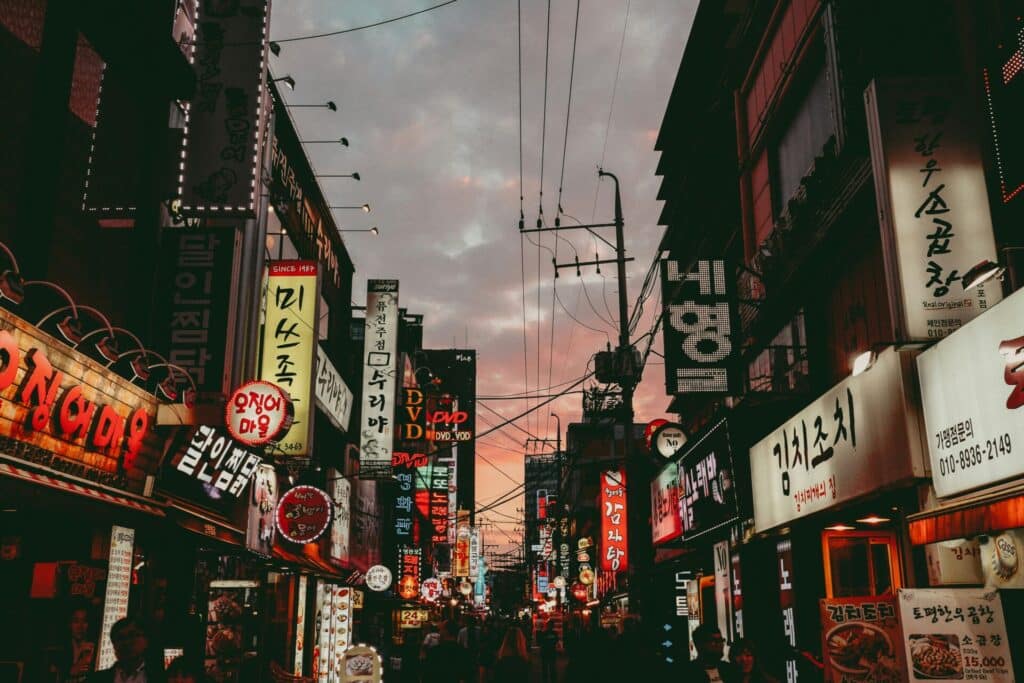
South Korea is a fantastic destination for food lovers, offering a variety of local dishes such as kimchi, bibimbap, delicious street food, and many other delicacies. Cafés, bakeries, and dessert spots are everywhere, making it so easy to grab a quick treat or spend time with friends.
Nightlife varies by city, from the energetic streets of Seoul filled with bars, clubs, and live music, to smaller towns with a more relaxed evening atmosphere.
Weekend getaways are super convenient because of Korea’s efficient public transport system. High-speed KTX trains make it easy to reach mountains, coastal towns, and historic sites.
My friend and I travelled to places like Seoraksan National Park, Jeju Island, and Busan, and we absolutely loved each destination — the scenery, activities, and cultural experiences were incredible!
South Korea is ideal for those who enjoy compact, efficient weekend trips, easy access to nature, and a strong focus on local food culture.
Read more: The Reality of Teaching English in South Korea: What Nobody Tells You
What type of person might prefer South Korea vs China?
Choosing between South Korea and China often comes down to your personality, lifestyle preferences, and what you want from your teaching experience abroad.
China may be a better fit for:
- Flexibility and work–life balance — many schools offer shorter teaching hours and longer lunch breaks.
- Diverse surroundings — cities and regions are wildly different, each with its own unique flavour.
- Technology-driven convenience: apps make daily life, payments, and travel manageable even with limited language skills.
- Strong saving potential — you can still enjoy city life thanks to housing allowances and affordable living costs, depending on your location.
Read more: Is Teaching In China Stressful? Honest Insights For TEFL Teachers
South Korea is best for:
- Structured routine and clear expectations — public schools and many hagwons have predictable schedules and set curricula.
- Smaller, more compact cities — public transport is easy to use, and weekend trips are easy to plan.
- Food culture and social activities — strong expat communities make it easy to form friendships through work or shared hobbies.
- A fast-paced work environment — hagwons especially feel energised with back-to-back teaching days.
What makes South Korea and China so popular among TEFL teachers?
Both South Korea and China are consistently popular TEFL destinations — and for good reason. Each offers unique advantages that attract teachers at different stages of their careers.
China attracts teachers because of its:
- Wide range of job opportunities, including public schools, kindergartens, international schools, and private training centres.
- Flexible schedules and work–life balance, supported by shorter teaching hours and long lunch breaks in many roles.
- Lifestyle and travel diversity, where each city and region offers a completely different cultural and culinary experience.
- Strong earning and saving potential, especially when housing is provided, and living costs remain reasonable compared to salaries.
Living In China As An American: Cost Of Living, Safety & What To Expect (2026 Guide)
South Korea is well-known for:
- Structured teaching roles and reliable salaries, often including free housing or housing allowances, make saving money straightforward.
- Strong expat communities, which help new teachers settle in quickly and build social connections.
- Convenient weekend travel, with easy access to mountains, beaches, and cultural or historical sites.
A fast-paced and energising work environment, particularly in private academies, which helps teachers develop classroom confidence quickly.
China vs South Korea: At a glance
| Factor | China | South Korea |
| Best for | Work-life balance and savings | First-time TEFL teachers |
| Teaching jobs | Huge variety of schools and roles | Mostly public schools and hagwons |
| Beginner-friendly? | Some roles require experience | Very beginner-friendly |
| Average workload | Often lighter teaching hours | More structured and fast-paced |
| Salary potential | Higher overall earning potential | Stable salaries with good benefits |
| Saving money | Excellent, particularly outside major cities | Good, especially with free housing |
| Housing | Often housing allowance or free accomodation | Usually free housing included |
| Classroom sizes | Larger classes (40-50 students common) | Smaller hagwon classes |
| Work culture | More flexible and varied | More structured and routine-based |
| Daily life | Fast-moving, tech-driven convenience | Predictable and organised |
| Food scene | Huge regional variety | Strong cafe and street food culture |
| Travel opportunities | Massive diversity between cities and regions | Easy weekend travel and nature trips |
| Social life | Large expat communities in major cities | Strong teacher and expat networks |
| Language difficulty | Mandarin can be challenging to begin with | Korean is usually easier to pick up |
| Best personality fit | Independent and adaptable teachers | Teachers who love structure and routine |
Final thoughts
Both South Korea and China are fantastic destinations for teaching English, each offering plenty of opportunities to grow professionally, explore new cultures, and meet amazing people.
South Korea tends to provide a fast-paced, structured environment that’s perfect if you enjoy clearly defined routines and lots of teaching hours. China offers a more balanced lifestyle with fewer teaching hours, longer lunch breaks, and plenty of time to explore your city and beyond.
Ultimately, both countries have their perks and challenges, and the best choice really depends on your personal priorities, teaching experience, and lifestyle preferences.
No matter which path you choose, living and teaching abroad is an incredible adventure that will leave you with unforgettable experiences and lifelong memories.
Author Bio
Table of Contents
- Introduction
- South Korea vs China
- Teaching hours & workload
- Challenges
- Cost of living
- Daily routine
- Connecting with others
- Food, fun & getaways
- Types of people
- Why are they popular
- China vs South Korea: At a glance
- Final thoughts
Trying to choose between teaching English in China or South Korea? Both are incredible TEFL destinations; however, the experience of living and working in each country can vary hugely.
After living and teaching in both countries, I can honestly say the answer completely depends on the sort of lifestyle, workload, and experience you’re looking for. South Korea offers a more structured, beginner-friendly experience, whereas China is home to a better work-life balance, stronger savings potential, and more variety in the day-to-day living.
In this guide to teaching in South Korea vs China, I’ll compare:
- Salaries and savings,
- Teaching hours,
- Social life,
- Travel opportunities,
- Classroom culture,
- And the realities of living day-to-day in these countries.
Hi! I’m Erin, a TEFL teacher from Cape Town, South Africa, with more than five years of teaching experience. I began my teaching journey in South Korea before moving to Guangzhou, China, where I’ve been teaching for almost a year and a half.
So grab some tea and biscuits, and let’s chat about it!
Quick answer: South Korea vs China for TEFL teachers
- Choose South Korea if you’re a first-time TEFL teacher looking for structure, support, and an easier transition to working abroad
- Choose China if you want better savings potential, more flexibility, and a stronger work-life balance.
Job opportunities: China vs South Korea
- China: more teaching options, experience preferred
- South Korea: friendly option for inexperienced teachers
Both South Korea and China have a strong demand for English teachers. However, the job markets differ, especially when it comes to entry-level opportunities and long-term career progression.
China
China’s ESL job market is much broader and more diverse. English teachers can work in:
- Public schools
- International schools
- Kindergartens
- Private training centres
Read more: Language Schools vs Public Schools In China: Which ESL Teaching Job Is Better?
For new TEFL teachers, the most accessible options are private training centres and kindergartens. These schools are generally open to hiring first-time teachers, often provide teaching materials, and sometimes offer on-the-job training. Many teachers use these roles to gain experience during their first year or two in China.
International schools usually require a minimum of two years of teaching experience. They follow international curricula and have higher expectations for lesson planning, assessments, and overall professionalism. Some public schools may also prefer candidates with experience in the classroom.
Regardless of experience, there are a few non-negotiable requirements for teaching legally in China. You’ll need:
- A Bachelor’s degree
- A TEFL certificate (120+ hours) — this is a government requirement
- To meet visa and background check requirements
Read more: How To Live & Work In China As A Foreigner
While it’s possible to start teaching in China without teaching experience, having some under your belt makes securing a position much easier, especially if you’re aiming for higher-paying positions or teaching roles with lighter workloads and fewer teaching hours.
South Korea
In South Korea, most English teaching jobs fall into two main categories:
- Public schools
- Private English academies or hagwons
Public school positions are typically filled through the EPIK programme, which places teachers in public schools nationwide. These roles are structured, have set working hours, and often include benefits like housing or a housing allowance.
Hagwons are private language academies and are often the most common entry point for new teachers. They operate with their own schedules and teaching styles, and they mostly hire throughout the year.
I found it relatively easy to find a job as a new teacher. My friend and I both secured positions at a hagwon despite having very little teaching experience at the time. If you’re new to TEFL, South Korea is a great place to start.
Read more: What Is A Hagwon? Unpacking The Secrets Of South Korea’s Popular Learning Centres
Teaching hours and workload compared
- China: more predictable days and longer lunch breaks
- South Korea: more structured hours, faster pace in private academies
China
In China, teaching hours are often lower overall, but expectations vary widely depending on the type of school.
Public schools
Public school teachers work during the day (typically 8.30 am – 4.30 pm) and have weekends off. Class sizes are larger than in Korea, ranging from 40 to 50 students.
Teaching loads are lighter, often around 16 – 22 teaching hours a week. Planning is required, but the pace is generally manageable.
Kindergartens
Kindergarten roles follow daytime schedules similar to public schools, but can be physically demanding. Teachers may be more involved in activities, routines, and classroom management, but teaching hours are usually lower than at training centres.
Private training centres
Training centres are similar to South Korea’s hagwons. They often require evening and weekend work, have faster-paced schedules, and involve more teaching hours. Materials are usually provided, but days can feel busy and intense.
International schools
International schools follow a traditional school timetable and usually have higher expectations around lesson planning, meetings, assessments, and professionalism. Teaching hours may be reasonable, but the workload outside the classroom can be heavier.
While not every school offers it, one standout perk of teaching in China is the long lunch break — often around two hours — especially in public schools, kindergartens and international schools. It really is fantastic!
Read more: Teaching In A Language School Vs A Bilingual School In China: A Q&A
South Korea
Teachers usually work 30 – 40+ hours a week, with a workload that is fairly structured and predictable.
Public schools (EPIK programme)
Public school teachers generally work weekday hours, usually around 8.30 am – 4.30 pm. Teaching loads are lighter, averaging 20 – 22 classes a week, and lessons follow a fixed national curriculum.
Editor’s note: In public schools, TEFL teachers don’t always follow the national curriculum. Many focus on conversation or skills-based lessons, and how structured things are depends on the school.
Classes are large — often with 30 to 40 students — and teachers usually co-teach with a Korean teacher. Evenings and weekends are free, making this a popular option for teachers seeking balance.
Read more: Discover The EPIK Programme: Your Gateway To Teaching English In South Korea
Private English academies
Also known as hagwons, private English academies tend to have longer working hours and a more intense pace. Schedules often start late morning or early afternoon and run into the evening. Teachers can expect back-to-back lessons, fewer breaks, and a higher number of teaching hours in a week.
Class sizes are smaller — about 10 to 15 students. Teaching materials are usually provided, but prep time can be limited. These roles can feel demanding, especially for new teachers.
The challenges of teaching in China vs South Korea
- China and South Korea: Language barriers, teething difficulties
Teaching in both South Korea and China comes with a period of adjustment. Most of the challenges teachers face are very normal and get easier with time.
One of the biggest challenges in both countries is the language barrier.
While English is spoken in schools, daily life outside the classroom can feel tricky at first — whether it’s ordering food, buying groceries, reading signs, or running simple errands like going to the dentist or doctor.
In China, many language-barrier challenges are made easier through technology. You can do/buy almost everything online — China’s society is basically cashless!
I found Korean slightly easier to pick up than Mandarin, which helped with everyday communication in South Korea.
Read more: How To Learn The Local Language
Another common adjustment is getting around a new city.
It takes time to figure out public transportation, locate your preferred stores or cafes, and become familiar with both locations. At first, cities can seem hectic and overwhelming, but once you establish a routine, things start to feel more familiar.
There are also, of course, cultural differences, such as public etiquette, food habits, and social norms. These aren’t usually major issues, but they do require some awareness and openness.
Overall, while both countries have their challenges, they’re very manageable. With time, patience, and a sense of curiosity, most teachers settle in quickly. The benefits of living and teaching abroad often far outweigh the initial adjustments.
Read more: Can You Teach English In China Without Speaking Chinese?
Cost of living: China vs South Korea
- China: cheaper, better savings potential
- South Korea: better accommodation packages
Both China and South Korea can be affordable for TEFL teachers, but how far your salary goes depends heavily on the city and type of school.
Rent
Rent is one of the biggest differences between the two countries.
In China, rent varies massively by city. In smaller Tier 2 cities, rent can be as low as ¥2,000 – ¥4,000 ($290–$580) a month. In major cities, like Shanghai, Beijing, or Shenzhen, it can range anywhere from ¥8,000 – ¥18,000 ($1,160–$2,610) or more for a modern apartment.
The upside is that salaries generally reflect the cost of living, and many schools offer either a housing allowance or free accommodation, which significantly reduces monthly expenses.
Read more: What Is The Average Teaching Salary In China?
In Korea, rent is more standardised for teachers because most public schools and hagwons provide free housing or a housing stipend. This removes one of the biggest causes of financial stress for new teachers, making budgeting much simpler.
However, if you do choose to rent independently, especially in major cities like Seoul, expect high costs and large deposits.
Read more: The Cost Of Living In China For TEFL Teachers
Utilities and internet
Utilities in both countries are generally affordable. China tends to be slightly cheaper for electricity, water, and mobile data, especially outside of top-tier cities. Internet and phone plans are inexpensive and reliable in both locations.
Food
In China, food costs are noticeably cheaper. Local food — whether cooking at home or eating out — is very affordable, and meals can cost just a few dollars. Groceries, especially local produce, are inexpensive.
In South Korea, food is affordable, but eating out regularly or buying imported goods can add up quickly. Groceries tend to be pricier, especially fruits, vegetables, and Western products.
Read more: What It’s Like Teaching In South Korea: Rural VS Urban Living Compared
Transport
Public transport in both countries is excellent, efficient, and affordable.
China’s metro systems are extremely cheap, even in large cities, and high-speed trains make domestic travel accessible.
South Korea’s transport is slightly more expensive but still very reasonable, clean, and easy to use. Taxis in South Korea are noticeably pricier compared with those in China.
General expenses and lifestyle
Daily expenses like entertainment, gyms, cafés, and shopping vary by city in both countries. China often offers more budget-friendly lifestyle options, while South Korea can feel slightly more expensive for social activities, especially in major urban areas.
Saving potential
Both countries offer great saving potential, but China generally allows teachers to save more, particularly if housing is provided and you’re living outside the most expensive cities.
South Korea still allows for consistent savings, especially with free housing, but higher food and lifestyle costs can reduce how much you put away each month.
Read more: How Much Money Can You Save Teaching In South Korea In 2026?
Daily routine
- China: balanced routines with longer breaks and more free evenings
- South Korea: structured weekdays with a steady, predictable routine
Day-to-day life as an English teacher in South Korea and China differs largely due to the type of school, working hours, and pace of life. Both countries offer structured routines, but how your weekdays feel — and how much energy you have afterwards — can vary a lot.
Public schools
In China, day-to-day life tends to feel quite balanced, especially if you’re working at a public school or international school.
A typical day runs from around 8.30 am – 4.30 pm, with morning and/or afternoon classes. After teaching, free periods are spent on lesson planning, catching up on admin or attending meetings. Teachers usually enjoy a two-hour lunch break, giving them time to eat or take a short nap.
Evenings are truly free, giving you time to exercise, meet friends, explore your city, or work on personal projects, like content creation.
Read more: Things To Know About Chinese Classroom Culture
In Korea, a typical weekday teaching at a public school starts early. Teachers often arrive around 8.30 am and finish between 4.30 and 5.00 pm. Mornings are spent teaching classes, assisting Korean co-teachers, or preparing lessons.
Class sizes can be large, but the workload is fairly manageable. Afternoons are often quieter, with desk warming, lesson planning, or marking.
Editor’s note: Desk warming is a practice in some schools in Korea and Japan where teachers are contractually required to be present at school for a full day during breaks or quiet periods, often when no classes are taught, and few staff are around.
Once school ends, your evenings are usually free. Many teachers use this time to go to the gym, meet friends, explore cafés, or simply relax at home. The routine feels stable and predictable, making it easier to settle into a rhythm during the week.
Private language centres
China’s private training centres are fast-paced and lesson-heavy. A typical day might start in the late morning or early afternoon and run into the evening, often including weekend classes.
Teachers usually have back-to-back lessons, with anywhere from four to eight classes a day, depending on the centre. Prep time is limited — sometimes just one hour a day. Sometimes you need to prepare materials on the go. While the days can feel busy, training centres often provide teaching materials and guidance, which helps.
These roles are great for gaining experience quickly, improving classroom management skills, and building confidence, though evenings can feel tiring after a full day of lessons.
In Korea, teaching hours at a hagwon can vary a lot. Some academies start work in the early afternoon (around 2.00 pm) and run until the evening (until 9.00 pm – 10.00 pm).
I’ve also experienced long days that run from around 9.00 am – 7.00 pm. Classes are usually back-to-back, with 5 to 10 lessons a day, and teachers often get around one hour of prep time. It’s an energetic, fast-paced environment. By the evenings, it’s normal to feel exhausted, but you still have some free time to relax.
Read more: Things To Know About South Korean Classroom Culture
Chinese kindergartens
A day teaching at a kindergarten in China usually starts in the morning, around 8.30 – 9.00 am, and finishes in the early afternoon, often by 3.30 – 4.00 pm. Classes are shorter but more frequent, and teachers are actively involved in play-based learning, activities, and classroom management.
While the teaching hours aren’t extremely high — usually around four to five lessons a day — the work can be physically demanding, as you’re constantly moving and engaging Young Learners.
One of the best parts is that many kindergartens include a long lunch break, giving you time to recharge, plan lessons, or even take a short rest.
Overall, it’s a fast-paced, lively environment but with a predictable schedule that allows plenty of downtime in the afternoons.
Read more: The Magic Of Daily Classroom Routines For Young Learners
How easy is it to connect with locals and build a social life in each country?
- China and South Korea: integration takes time, but it’s possible if you’re open and proactive
China
In China, locals are generally warm and curious about foreigners, although the language barrier can make socialising more challenging. The expat community is very active, especially in major cities like Guangzhou, Shanghai, or Beijing. There are many communities to join, from social groups to teacher networks.
Making friends at work is common, and social events with colleagues or fellow teachers are often a natural way to meet people.
South Korea
Locals are generally friendly and welcoming, but the language barrier can make forming deeper friendships a little slower. Some English is spoken in school, particularly in Seoul, but outside the classroom, day-to-day communication can be tricky without some Korean.
The expat community is strong, particularly in major cities like Seoul, Busan, or Daegu.
For new teachers, meeting other expats through work is usually easy — colleagues, other teachers, or social networking events can help you start building your circle. Joining hobby clubs, language exchanges, or fitness groups is another great way to meet like-minded people.
Tips for building connections:
- Be proactive: Attend meet-ups, social events, or language exchanges.
- Be open: explore local foods and try new experiences
- Learn some local language basics: Even a few words go a long way.
- Join communities: Teacher networks, hobby clubs, or online expat groups are fantastic.
- Give it time: Building meaningful friendships abroad doesn’t happen overnight, but it’s achievable.
Read more: Living And Teaching In South Korea As A South African: A Q&A With Sonya
Which country offers more when it comes to food, fun, and weekend getaways?
- China and South Korea: whatever your heart desires!
China
China offers an incredible variety of experiences and destinations. The food scene is diverse, with each region having its own specialities — from dim sum in Guangdong to spicy Sichuan dishes and hand-pulled noodles in the north. Cafés, street markets, and Western restaurants are easy to find, making it possible to try something new every day.
Larger cities like Guangzhou, Shanghai, and Beijing have great nightlife and cultural scenes, including museums, concerts, cinemas, and weekend events. Weekend travel is also easy and relatively affordable.
My friend and I explored a few cities, including Chengdu, Chongqing, Zhangjiajie, and Shanghai, and it’s incredible how different each place feels!
The culture, food, and overall vibe can change completely within just a few hours.
China offers unmatched diversity — from cuisine to landscapes to city life — and its vast size makes every weekend getaway feel like a mini holiday.
Read more: Why You Should Move To China To Teach English
South Korea
South Korea is a fantastic destination for food lovers, offering a variety of local dishes such as kimchi, bibimbap, delicious street food, and many other delicacies. Cafés, bakeries, and dessert spots are everywhere, making it so easy to grab a quick treat or spend time with friends.
Nightlife varies by city, from the energetic streets of Seoul filled with bars, clubs, and live music, to smaller towns with a more relaxed evening atmosphere.
Weekend getaways are super convenient because of Korea’s efficient public transport system. High-speed KTX trains make it easy to reach mountains, coastal towns, and historic sites.
My friend and I travelled to places like Seoraksan National Park, Jeju Island, and Busan, and we absolutely loved each destination — the scenery, activities, and cultural experiences were incredible!
South Korea is ideal for those who enjoy compact, efficient weekend trips, easy access to nature, and a strong focus on local food culture.
Read more: The Reality of Teaching English in South Korea: What Nobody Tells You
What type of person might prefer South Korea vs China?
Choosing between South Korea and China often comes down to your personality, lifestyle preferences, and what you want from your teaching experience abroad.
China may be a better fit for:
- Flexibility and work–life balance — many schools offer shorter teaching hours and longer lunch breaks.
- Diverse surroundings — cities and regions are wildly different, each with its own unique flavour.
- Technology-driven convenience: apps make daily life, payments, and travel manageable even with limited language skills.
- Strong saving potential — you can still enjoy city life thanks to housing allowances and affordable living costs, depending on your location.
Read more: Is Teaching In China Stressful? Honest Insights For TEFL Teachers
South Korea is best for:
- Structured routine and clear expectations — public schools and many hagwons have predictable schedules and set curricula.
- Smaller, more compact cities — public transport is easy to use, and weekend trips are easy to plan.
- Food culture and social activities — strong expat communities make it easy to form friendships through work or shared hobbies.
- A fast-paced work environment — hagwons especially feel energised with back-to-back teaching days.
What makes South Korea and China so popular among TEFL teachers?
Both South Korea and China are consistently popular TEFL destinations — and for good reason. Each offers unique advantages that attract teachers at different stages of their careers.
China attracts teachers because of its:
- Wide range of job opportunities, including public schools, kindergartens, international schools, and private training centres.
- Flexible schedules and work–life balance, supported by shorter teaching hours and long lunch breaks in many roles.
- Lifestyle and travel diversity, where each city and region offers a completely different cultural and culinary experience.
- Strong earning and saving potential, especially when housing is provided, and living costs remain reasonable compared to salaries.
Living In China As An American: Cost Of Living, Safety & What To Expect (2026 Guide)
South Korea is well-known for:
- Structured teaching roles and reliable salaries, often including free housing or housing allowances, make saving money straightforward.
- Strong expat communities, which help new teachers settle in quickly and build social connections.
- Convenient weekend travel, with easy access to mountains, beaches, and cultural or historical sites.
A fast-paced and energising work environment, particularly in private academies, which helps teachers develop classroom confidence quickly.
China vs South Korea: At a glance
| Factor | China | South Korea |
| Best for | Work-life balance and savings | First-time TEFL teachers |
| Teaching jobs | Huge variety of schools and roles | Mostly public schools and hagwons |
| Beginner-friendly? | Some roles require experience | Very beginner-friendly |
| Average workload | Often lighter teaching hours | More structured and fast-paced |
| Salary potential | Higher overall earning potential | Stable salaries with good benefits |
| Saving money | Excellent, particularly outside major cities | Good, especially with free housing |
| Housing | Often housing allowance or free accomodation | Usually free housing included |
| Classroom sizes | Larger classes (40-50 students common) | Smaller hagwon classes |
| Work culture | More flexible and varied | More structured and routine-based |
| Daily life | Fast-moving, tech-driven convenience | Predictable and organised |
| Food scene | Huge regional variety | Strong cafe and street food culture |
| Travel opportunities | Massive diversity between cities and regions | Easy weekend travel and nature trips |
| Social life | Large expat communities in major cities | Strong teacher and expat networks |
| Language difficulty | Mandarin can be challenging to begin with | Korean is usually easier to pick up |
| Best personality fit | Independent and adaptable teachers | Teachers who love structure and routine |
Final thoughts
Both South Korea and China are fantastic destinations for teaching English, each offering plenty of opportunities to grow professionally, explore new cultures, and meet amazing people.
South Korea tends to provide a fast-paced, structured environment that’s perfect if you enjoy clearly defined routines and lots of teaching hours. China offers a more balanced lifestyle with fewer teaching hours, longer lunch breaks, and plenty of time to explore your city and beyond.
Ultimately, both countries have their perks and challenges, and the best choice really depends on your personal priorities, teaching experience, and lifestyle preferences.
No matter which path you choose, living and teaching abroad is an incredible adventure that will leave you with unforgettable experiences and lifelong memories.
Author Bio