 United States
US
United States
US









Teaching Teens in South Korea: What It’s Really Like In The Classroom


Last Updated
March 27, 2026


Table of Contents
- Introduction
- What to expect
- Teaching teens in public schools
- Teaching Korean teens online
- Common challenges
- Yasmien’s tips
- The verdict
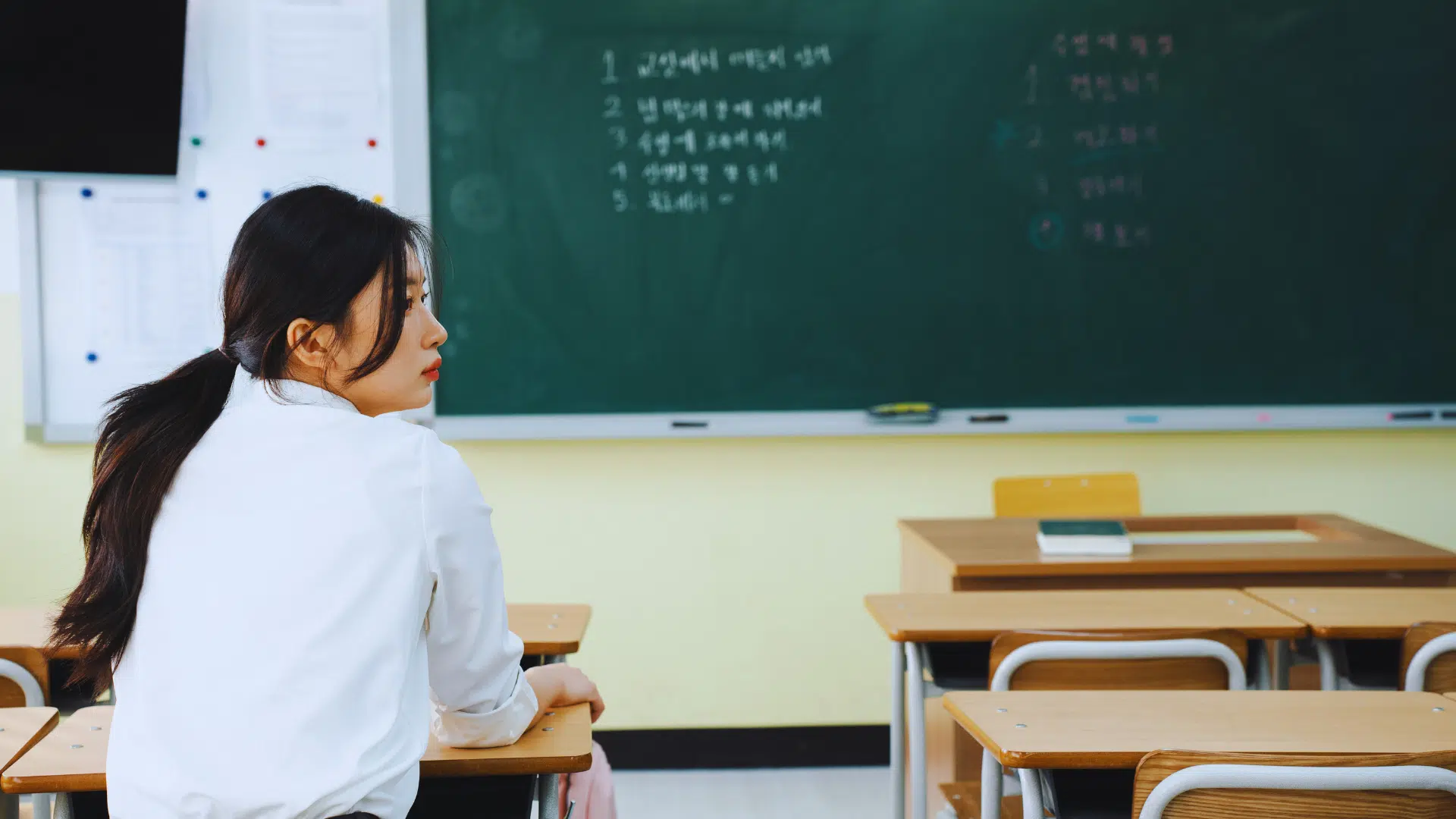
Teaching South Korean teenagers is all about grappling with a high-pressure “education fever” culture where 42% of students report significant academic stress. Middle schoolers often display high energy. High schoolers are frequently exhausted from studying until 10:00 pm. 77% of 15-year-olds participate in private tutoring. Teachers need to overcome “saving face” (chaemyeon) to encourage participation in 50-minute classes. 30-second movement breaks and student-led activities are great for helping fatigued learners during intensive study sessions.
Walking into a classroom filled with teens for the first time feels a bit like stepping into the arena — and it’s enough to make new teachers question their life choices. But sometimes teens surprise you and show a softer side. They’ll laugh at your jokes, help you organise your desk, and show concern when you’re down with the flu.
Teaching teens in South Korea can feel like a different kettle of fish by Western standards, with intensifying academic pressure the closer they get to graduation. Despite all these expectations, they still have playful moments and are generally eager to connect.
Read more: Teach English In South Korea
Of course, just being a foreign teacher is more than enough to spark their curiosity. So don’t get too overwhelmed when your students flood you with all kinds of questions, from who your favourite K-pop idol is to major world events! (On my first day at a middle school, one student asked my opinion on the US presidential elections!)
So, what’s it really like teaching teens in South Korea?
What to expect when teaching teens in South Korea
There are differences between teaching teens in person, in large classes versus smaller groups, online and 1-to-1. Throw in a different culture, and you have a whole new ball game.
Here’s a look at what you might encounter, starting with my own experience teaching teens in South Korean public schools.

Teaching teens in South Korean public schools
I taught middle school students and high school students in public schools and noticed a huge difference in energy levels. (EPIK is a popular programme that places ESL teachers in public schools.)
During breaktime, younger teens were full of energy and could be found playing soccer on the field or sprinting through hallways. I often dodged students zooming past me.
In contrast, the high schoolers were much more subdued. Granted, I taught at an all-girls high school, which likely influenced my experience.
However, the very first middle school I taught at was right next door to the high school, just a few steps away, so I often popped over when visiting a colleague. I’d say their breaktime activities were typical of teenagers — sitting in groups, chatting, or playing games — just like back home.
The behaviour, types of questions and general conversation differ quite a bit between middle and high schoolers.
Older teens might focus more on relationships or seek advice related to improving their English. They can carry on a conversation more easily, especially if you’re teaching in Seoul, where there is a higher level of English proficiency. This makes teacher-student interactions more meaningful, and you can build better relationships with them.
Younger teens — especially boys — tend to be rowdier and make more jokes. Sometimes I’d find sweet messages like “I love you, teacher” written on the board when I entered the classroom, so it’s not all mischief and mayhem.
Read more: Things To Know About South Korean Classroom Culture
Some teens may show a higher level of respect than others. I once had a middle schooler give me a very deep bow from several metres away as I entered the corridor. It totally caught me off guard!
However, teaching in-person versus online is a very different experience. Keep in mind that the online setting adds a layer of fatigue to already tired-out teenagers.
Teaching Korean teens online
Yasmien is a TEFL teacher and teacher trainer who has experience tutoring South Korean teenagers in groups and 1-to-1 online. She’s the perfect person to chat with us about teaching South Korean teens online.
Yasmien: My experience with teaching South Korean teens was a rollercoaster!
My online students were mostly exhausted and usually unresponsive, while my 1-to-1 students were curious, engaged and respectful despite their exhaustion.
Middle schoolers were particularly energetic and more engaged, while high schoolers were mostly fatigued and reserved.
High schoolers were also more mature and could generally communicate better — I could have more intelligent conversations with them.
Even the quietest students can surprise you. I was genuinely shocked when one of my private students, who was painfully shy, suddenly started speaking English really well after our second lesson.
It wasn’t that she didn’t know how to speak English; she just didn’t want to make mistakes. Like many Korean teens, she was trying to save face.
Once she felt comfortable with me and trusted that she wouldn’t be judged, her confidence bloomed almost overnight.
It sounds like we had a similar experience regarding the differing energy levels. The online setting can magnify these differences, but, as Yasmien found out, some learners thrive in the online space.
Read more: How Do 1-on-1 And Group Classes Compare In Online Teaching?
Getting a student to open up like that is a major win. Private classes can definitely lessen the pressure felt in groups or traditional classrooms.
With 1-to-1 classes, you can tailor content to your student and build rapport more easily, which helps the student come out of their shell and improve their confidence and fluency.
But don’t give up on group classes just yet. Even with tired students, there are ways to boost engagement.
Group classes can be fun as you can do interactive activities such as role plays, group discussions, and debates.
Read more: Teaching Teenagers Using Flow
So what can you do to steer clear of some common rookie teacher mistakes when teaching in South Korea?
Common challenges of teaching teens in South Korea

Teenagers everywhere share common traits — physical changes, growing independence, self-discovery, and social pressures — all of which can lead to mood swings and classroom disruptions.
However, teaching teenagers from South Korea comes with unique challenges.
A 2024 Statista survey found that about 42% of Korean middle and high school students reported feeling “very stressed” due to academic pressure.
The pressure to perform is real. It even has its own name…
1. Education fever in South Korean schools
The term “education fever” is used to describe South Korea’s competitive schooling system, which borders on obsession.
High schoolers come with higher stress levels, especially those in their final year who are preparing for the Suneung, Korea’s intense university entrance exam.
Their academic success is directly tied to their social status, family expectations and future job prospects. Getting into a top university is seen as a make-or-break milestone.
Sometimes I’d find myself on the Grade 12 side of the school, where I’d spot students tucked into tiny cubicles in quiet study rooms, completely absorbed in their books.
So it’s no surprise to me that 77% of 15-year-old South Korean students participate in out-of-school hours tutoring!
All that studying, plus attending hagwons (private academies) after school, means many teens are running on empty.
Read more: What Is A Hagwon? Unpacking The Secrets Of South Korea’s Popular Learning Centres
2. Exhaustion
In South Korea, it’s common to see students walking the streets at 10.oo pm, still dressed in their school uniforms. Older teens have a significantly heavier academic schedule than younger ones. Being mindful of this can help you adjust your lessons and support their well-being.
In an 8.00 pm online lesson, one student looked ready to fall asleep, so I switched from a speaking-heavy plan to a relaxed listening activity and casual discussion.
Read more: Cool Conversation Topics For Teenagers
Late tutoring sessions will affect your students’ energy levels, so keeping things light may work better.
So, how do you get around this as a TEFL teacher?
You can:
- Keep lessons light and engaging
- Slow down the pace, allowing students time to absorb information
- Reduce teacher talk time and increase student-led activities
- Get them moving! Just 30 seconds of movement can help students escape the brain fog and refocus
Read more: Motivational Activities For The EFL Classroom
3. Saving face
Sometimes it can feel like pulling teeth trying to get teens to participate, but this may not be for the reasons you think. Saving face (chaemyeon) is a real cultural factor that you need to overcome.
Early in my online tutoring, I was surprised by how reluctant some teens were to speak, but I quickly realised it wasn’t disinterest, but fear of making mistakes in front of their peers.
Creating a positive and supportive classroom atmosphere where mistakes are okay, whether in person or online, is essential to increasing your students’ comfort levels.
Adjust your expectations around engagement and have a backup plan ready when students clam up despite your best efforts.
Remember, it takes time to build rapport. In the meantime:
- Use icebreakers for relationship-building
- Use warmers as lesson starters
- Play games that don’t require much talking
- Lean on that chat function in an online class
- Allow them time to think before answering to ease the pressure
Read more: Encouraging Mistakes In The TEFL Classroom
4. Teacher hierarchies and expectations
It’s no secret that Korea has a strict social hierarchy. As an ESL teacher, you may be wondering how students see you, especially next to your South Korean counterparts.
Experiences differ widely. My students were respectful towards me. If there was anything less, they hid it, or I didn’t notice.
However, since I wasn’t in charge of discipline, students didn’t fear consequences as much. It’s not like I was going to call their parents!
Others may have different experiences. Yasmien weighs in:
Understanding how teacher roles and authority differ was an adjustment. In Korea, teachers are highly respected, but as a foreign teacher who teaches conversational English, you’re often placed in more of a “fun” role. This means you need to really earn students’ respect.
5. Student expectations
Know your audience. What works with one group of teens may fall flat with another.
Early on, I tried using games, conversation and songs that I used with elementary students. But many teens, especially high achievers, expected lessons to feel more academic and goal-oriented.
Set clear learning goals early, especially in tutoring, since it’s on top of their regular classes.
Of course, in the public school setting, games, conversational English and other fun activities are more than welcome. But again, this is context-dependent.
A discussion with your co-teacher will likely quickly clear up confusion. If not, your students will let you know, and you can adjust your lessons to suit their needs.
6. Unclear learning goals
Students lose interest and grow increasingly frustrated because of unclear or unspoken expectations. This is especially true for after-school tutoring sessions, as Yasmien discovered.
I didn’t always clarify expectations with students or parents upfront. This sometimes led to misalignment: I thought the goal was fluency; they wanted test prep. A simple goal-setting session would have helped.
Read more: The Challenges Of Teaching Teens
Yasmien’s tips for teaching teens in South Korea
- Establish rapport. Learn their names, likes, dislikes and passions.
- Set clear expectations from day one. Lay down essential classroom rules and make sure everyone understands them. Have a co-teacher translate the rules.
- Encourage effort, not just accuracy. Praise students for participation, not just perfection, to boost their confidence.
- Balance structure with creativity. Even if you’re required to use a textbook, find ways to make the lesson engaging. Use interactive games, short videos, or unfamiliar materials that spark curiosity.
- Mix it up. After exams is the best time to experiment with new lesson ideas that can refresh your students.
Read more: Top Tips For Teaching Teens In The EFL Classroom
These are some great tips, but I would like to add one more.
- Build mental wellness into your lesson plans. Normalise discussions around stress, have wellness check-ins and include mindfulness activities in your planning. Offer students a choice in selecting topics and activities.
The verdict
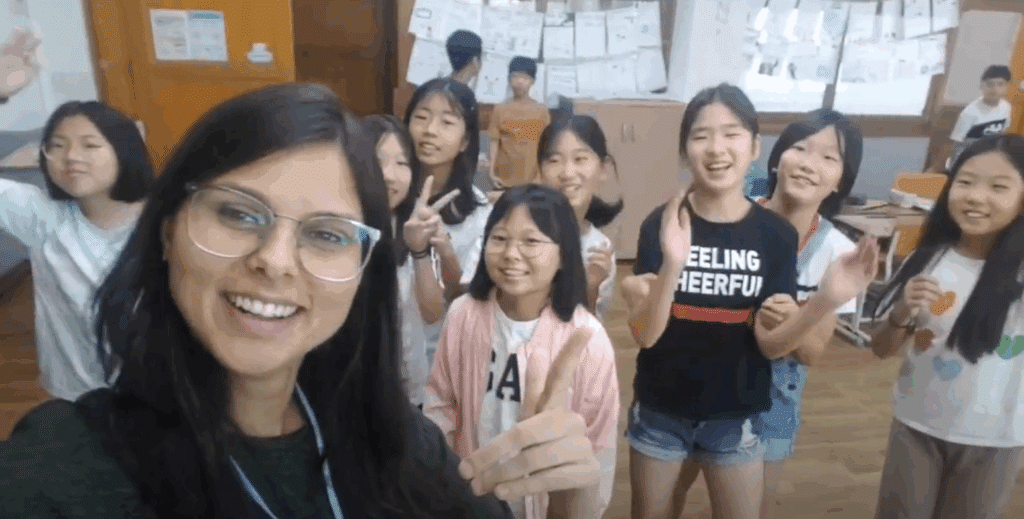
You see? Teaching teens in South Korea is not as bad as we thought. Sure, it has its challenges, but it can be a very rewarding experience.
You can help them speak up with confidence and offer a welcome break from their daily academic grind. They’ll thank you for it. And you’ll learn a thing or two about K-Dramas, K-Beauty and webtoons!
Author Bio
Table of Contents
- Introduction
- What to expect
- Teaching teens in public schools
- Teaching Korean teens online
- Common challenges
- Yasmien’s tips
- The verdict
Teaching South Korean teenagers is all about grappling with a high-pressure “education fever” culture where 42% of students report significant academic stress. Middle schoolers often display high energy. High schoolers are frequently exhausted from studying until 10:00 pm. 77% of 15-year-olds participate in private tutoring. Teachers need to overcome “saving face” (chaemyeon) to encourage participation in 50-minute classes. 30-second movement breaks and student-led activities are great for helping fatigued learners during intensive study sessions.
Walking into a classroom filled with teens for the first time feels a bit like stepping into the arena — and it’s enough to make new teachers question their life choices. But sometimes teens surprise you and show a softer side. They’ll laugh at your jokes, help you organise your desk, and show concern when you’re down with the flu.
Teaching teens in South Korea can feel like a different kettle of fish by Western standards, with intensifying academic pressure the closer they get to graduation. Despite all these expectations, they still have playful moments and are generally eager to connect.
Read more: Teach English In South Korea
Of course, just being a foreign teacher is more than enough to spark their curiosity. So don’t get too overwhelmed when your students flood you with all kinds of questions, from who your favourite K-pop idol is to major world events! (On my first day at a middle school, one student asked my opinion on the US presidential elections!)
So, what’s it really like teaching teens in South Korea?
What to expect when teaching teens in South Korea
There are differences between teaching teens in person, in large classes versus smaller groups, online and 1-to-1. Throw in a different culture, and you have a whole new ball game.
Here’s a look at what you might encounter, starting with my own experience teaching teens in South Korean public schools.
Teaching teens in South Korean public schools
I taught middle school students and high school students in public schools and noticed a huge difference in energy levels. (EPIK is a popular programme that places ESL teachers in public schools.)
During breaktime, younger teens were full of energy and could be found playing soccer on the field or sprinting through hallways. I often dodged students zooming past me.
In contrast, the high schoolers were much more subdued. Granted, I taught at an all-girls high school, which likely influenced my experience.
However, the very first middle school I taught at was right next door to the high school, just a few steps away, so I often popped over when visiting a colleague. I’d say their breaktime activities were typical of teenagers — sitting in groups, chatting, or playing games — just like back home.
The behaviour, types of questions and general conversation differ quite a bit between middle and high schoolers.
Older teens might focus more on relationships or seek advice related to improving their English. They can carry on a conversation more easily, especially if you’re teaching in Seoul, where there is a higher level of English proficiency. This makes teacher-student interactions more meaningful, and you can build better relationships with them.
Younger teens — especially boys — tend to be rowdier and make more jokes. Sometimes I’d find sweet messages like “I love you, teacher” written on the board when I entered the classroom, so it’s not all mischief and mayhem.
Read more: Things To Know About South Korean Classroom Culture
Some teens may show a higher level of respect than others. I once had a middle schooler give me a very deep bow from several metres away as I entered the corridor. It totally caught me off guard!
However, teaching in-person versus online is a very different experience. Keep in mind that the online setting adds a layer of fatigue to already tired-out teenagers.
Teaching Korean teens online
Yasmien is a TEFL teacher and teacher trainer who has experience tutoring South Korean teenagers in groups and 1-to-1 online. She’s the perfect person to chat with us about teaching South Korean teens online.
Yasmien: My experience with teaching South Korean teens was a rollercoaster!
My online students were mostly exhausted and usually unresponsive, while my 1-to-1 students were curious, engaged and respectful despite their exhaustion.
Middle schoolers were particularly energetic and more engaged, while high schoolers were mostly fatigued and reserved.
High schoolers were also more mature and could generally communicate better — I could have more intelligent conversations with them.
Even the quietest students can surprise you. I was genuinely shocked when one of my private students, who was painfully shy, suddenly started speaking English really well after our second lesson.
It wasn’t that she didn’t know how to speak English; she just didn’t want to make mistakes. Like many Korean teens, she was trying to save face.
Once she felt comfortable with me and trusted that she wouldn’t be judged, her confidence bloomed almost overnight.
It sounds like we had a similar experience regarding the differing energy levels. The online setting can magnify these differences, but, as Yasmien found out, some learners thrive in the online space.
Read more: How Do 1-on-1 And Group Classes Compare In Online Teaching?
Getting a student to open up like that is a major win. Private classes can definitely lessen the pressure felt in groups or traditional classrooms.
With 1-to-1 classes, you can tailor content to your student and build rapport more easily, which helps the student come out of their shell and improve their confidence and fluency.
But don’t give up on group classes just yet. Even with tired students, there are ways to boost engagement.
Group classes can be fun as you can do interactive activities such as role plays, group discussions, and debates.
Read more: Teaching Teenagers Using Flow
So what can you do to steer clear of some common rookie teacher mistakes when teaching in South Korea?
Common challenges of teaching teens in South Korea
Teenagers everywhere share common traits — physical changes, growing independence, self-discovery, and social pressures — all of which can lead to mood swings and classroom disruptions.
However, teaching teenagers from South Korea comes with unique challenges.
A 2024 Statista survey found that about 42% of Korean middle and high school students reported feeling “very stressed” due to academic pressure.
The pressure to perform is real. It even has its own name…
1. Education fever in South Korean schools
The term “education fever” is used to describe South Korea’s competitive schooling system, which borders on obsession.
High schoolers come with higher stress levels, especially those in their final year who are preparing for the Suneung, Korea’s intense university entrance exam.
Their academic success is directly tied to their social status, family expectations and future job prospects. Getting into a top university is seen as a make-or-break milestone.
Sometimes I’d find myself on the Grade 12 side of the school, where I’d spot students tucked into tiny cubicles in quiet study rooms, completely absorbed in their books.
So it’s no surprise to me that 77% of 15-year-old South Korean students participate in out-of-school hours tutoring!
All that studying, plus attending hagwons (private academies) after school, means many teens are running on empty.
Read more: What Is A Hagwon? Unpacking The Secrets Of South Korea’s Popular Learning Centres
2. Exhaustion
In South Korea, it’s common to see students walking the streets at 10.oo pm, still dressed in their school uniforms. Older teens have a significantly heavier academic schedule than younger ones. Being mindful of this can help you adjust your lessons and support their well-being.
In an 8.00 pm online lesson, one student looked ready to fall asleep, so I switched from a speaking-heavy plan to a relaxed listening activity and casual discussion.
Read more: Cool Conversation Topics For Teenagers
Late tutoring sessions will affect your students’ energy levels, so keeping things light may work better.
So, how do you get around this as a TEFL teacher?
You can:
- Keep lessons light and engaging
- Slow down the pace, allowing students time to absorb information
- Reduce teacher talk time and increase student-led activities
- Get them moving! Just 30 seconds of movement can help students escape the brain fog and refocus
Read more: Motivational Activities For The EFL Classroom
3. Saving face
Sometimes it can feel like pulling teeth trying to get teens to participate, but this may not be for the reasons you think. Saving face (chaemyeon) is a real cultural factor that you need to overcome.
Early in my online tutoring, I was surprised by how reluctant some teens were to speak, but I quickly realised it wasn’t disinterest, but fear of making mistakes in front of their peers.
Creating a positive and supportive classroom atmosphere where mistakes are okay, whether in person or online, is essential to increasing your students’ comfort levels.
Adjust your expectations around engagement and have a backup plan ready when students clam up despite your best efforts.
Remember, it takes time to build rapport. In the meantime:
- Use icebreakers for relationship-building
- Use warmers as lesson starters
- Play games that don’t require much talking
- Lean on that chat function in an online class
- Allow them time to think before answering to ease the pressure
Read more: Encouraging Mistakes In The TEFL Classroom
4. Teacher hierarchies and expectations
It’s no secret that Korea has a strict social hierarchy. As an ESL teacher, you may be wondering how students see you, especially next to your South Korean counterparts.
Experiences differ widely. My students were respectful towards me. If there was anything less, they hid it, or I didn’t notice.
However, since I wasn’t in charge of discipline, students didn’t fear consequences as much. It’s not like I was going to call their parents!
Others may have different experiences. Yasmien weighs in:
Understanding how teacher roles and authority differ was an adjustment. In Korea, teachers are highly respected, but as a foreign teacher who teaches conversational English, you’re often placed in more of a “fun” role. This means you need to really earn students’ respect.
5. Student expectations
Know your audience. What works with one group of teens may fall flat with another.
Early on, I tried using games, conversation and songs that I used with elementary students. But many teens, especially high achievers, expected lessons to feel more academic and goal-oriented.
Set clear learning goals early, especially in tutoring, since it’s on top of their regular classes.
Of course, in the public school setting, games, conversational English and other fun activities are more than welcome. But again, this is context-dependent.
A discussion with your co-teacher will likely quickly clear up confusion. If not, your students will let you know, and you can adjust your lessons to suit their needs.
6. Unclear learning goals
Students lose interest and grow increasingly frustrated because of unclear or unspoken expectations. This is especially true for after-school tutoring sessions, as Yasmien discovered.
I didn’t always clarify expectations with students or parents upfront. This sometimes led to misalignment: I thought the goal was fluency; they wanted test prep. A simple goal-setting session would have helped.
Read more: The Challenges Of Teaching Teens
Yasmien’s tips for teaching teens in South Korea
- Establish rapport. Learn their names, likes, dislikes and passions.
- Set clear expectations from day one. Lay down essential classroom rules and make sure everyone understands them. Have a co-teacher translate the rules.
- Encourage effort, not just accuracy. Praise students for participation, not just perfection, to boost their confidence.
- Balance structure with creativity. Even if you’re required to use a textbook, find ways to make the lesson engaging. Use interactive games, short videos, or unfamiliar materials that spark curiosity.
- Mix it up. After exams is the best time to experiment with new lesson ideas that can refresh your students.
Read more: Top Tips For Teaching Teens In The EFL Classroom
These are some great tips, but I would like to add one more.
- Build mental wellness into your lesson plans. Normalise discussions around stress, have wellness check-ins and include mindfulness activities in your planning. Offer students a choice in selecting topics and activities.
The verdict
You see? Teaching teens in South Korea is not as bad as we thought. Sure, it has its challenges, but it can be a very rewarding experience.
You can help them speak up with confidence and offer a welcome break from their daily academic grind. They’ll thank you for it. And you’ll learn a thing or two about K-Dramas, K-Beauty and webtoons!
Author Bio