 United States
US
United States
US









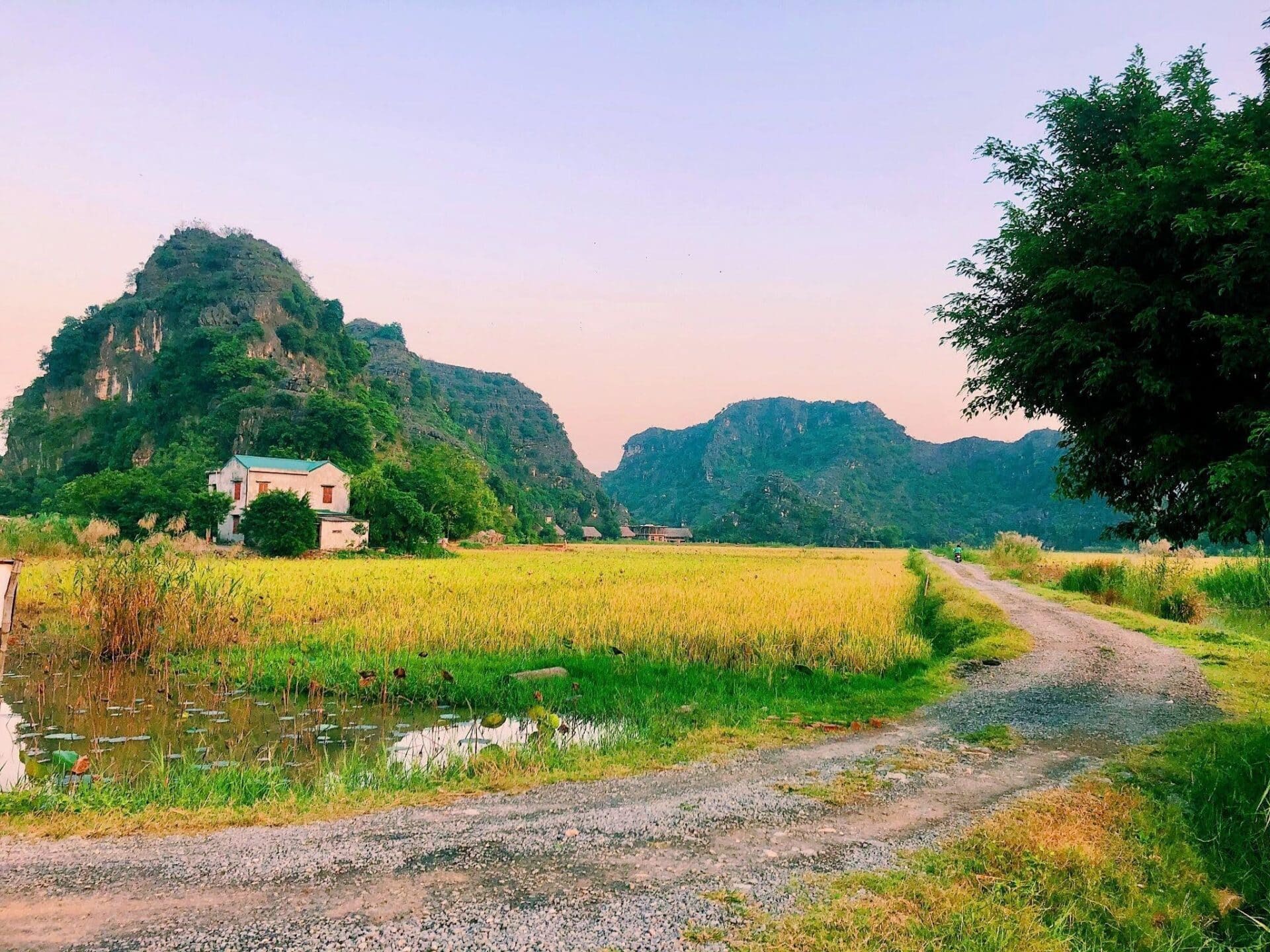
What I Wish I’d Known Before Moving To Vietnam To Teach English
Join a global community of over 200,000 TEFL teachers working throughout the world! Enrol me!


Last Updated
July 13, 2026When I moved to Vietnam to teach English, I thought I had a pretty good idea of what to expect.
I’d completed my TEFL course, booked my flight, lined up a job, and spent far too much time watching YouTube videos about life in Hanoi.
Read more: 8 Reasons TEFL Teachers Love Calling Hanoi Home
Then I arrived.
Within my first few days, I’d crossed roads that looked impossible to cross, been caught in tropical downpours, gotten completely lost trying to navigate the city, and very quickly realised that building a life abroad was going to be just as challenging as standing in front of a classroom.
Looking back, there are a lot of things I wish I’d known before making the move. Not because they would have changed my decision – moving to Vietnam remains one of the best things I’ve ever done – but because they would have helped me feel a little more at ease for what was ahead.
If you’re thinking about moving to Vietnam to teach English, here are a few lessons I learned along the way.
Prepare for sensory overload
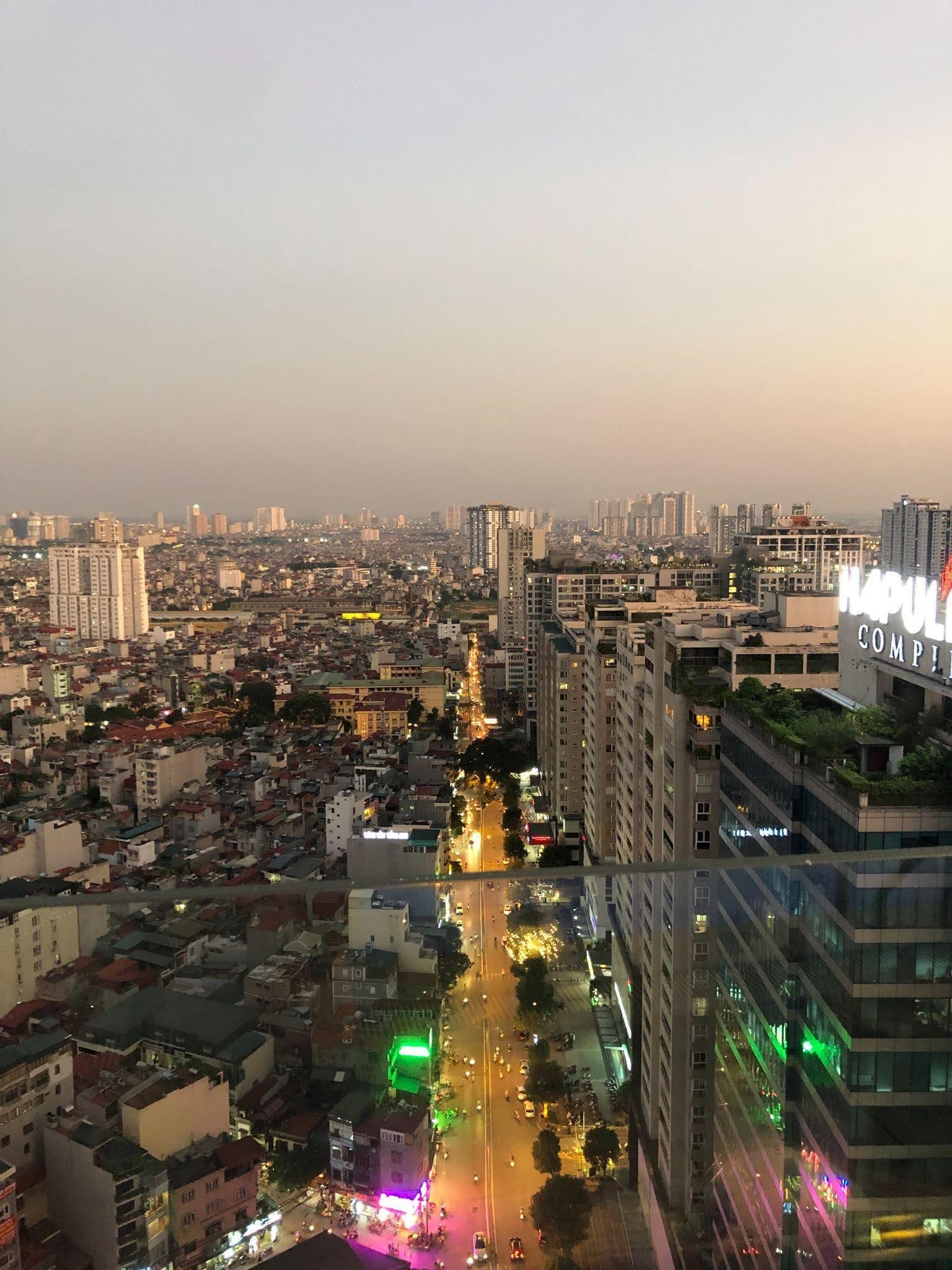
Nothing could have prepared me for my first few weeks in Hanoi.
Scooters everywhere. Constant honking. Construction noise. Street vendors. Karaoke blasting from somewhere down the road. Entire families somehow balancing on a single motorbike.
At times, it felt less like I’d moved to a new country and more like I’d stepped into a video game where I didn’t know the rules.
Coming from South Africa, I’d travelled before, but Hanoi still felt unlike anything I’d ever experienced. The city runs at a pace that takes some getting used to. Even a simple trip to the supermarket felt like a massive adventure at first.
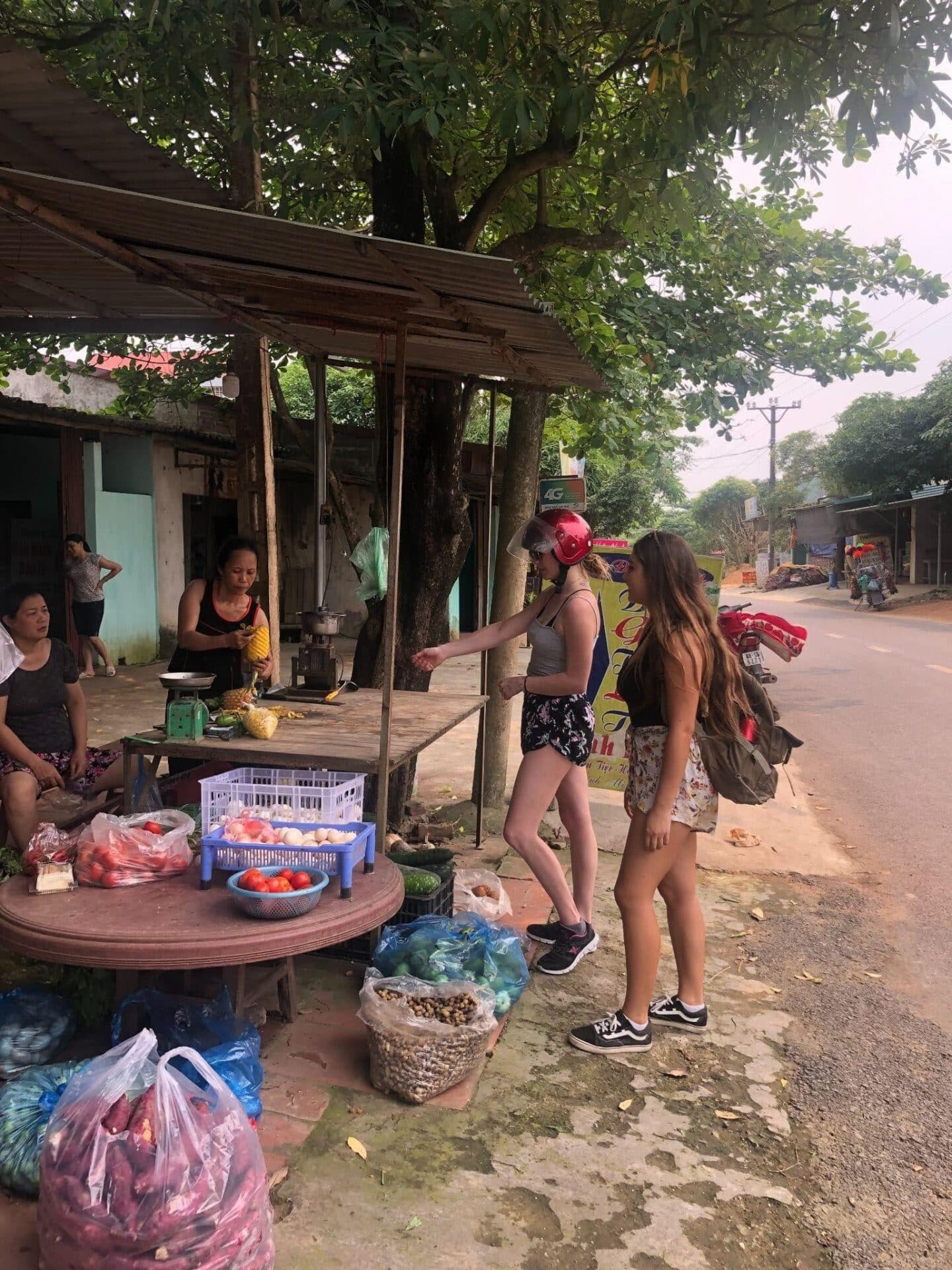
I remember feeling pretty overwhelmed some days. There is always something happening. Someone balancing an entire fruit stall on the back of a bicycle. A huge group of locals doing a dance class in the park. Young Vietnamese boys racing past on scooters. Grab drivers stopping to ask if I needed a ride.
Read more: Navigating Culture Shock: My Real Experience Teaching English In Vietnam
The funny thing is that eventually it all became normal.
The sounds that once kept me awake became background noise. Crossing the road stopped feeling terrifying. The chaos that initially overwhelmed me became one of the things I loved most about Hanoi.
If you’re moving to Vietnam, expect to feel a little overstimulated at first. But give yourself time to adjust. Most people do.
Two different challenges
Teaching abroad and living abroad are two different challenges.
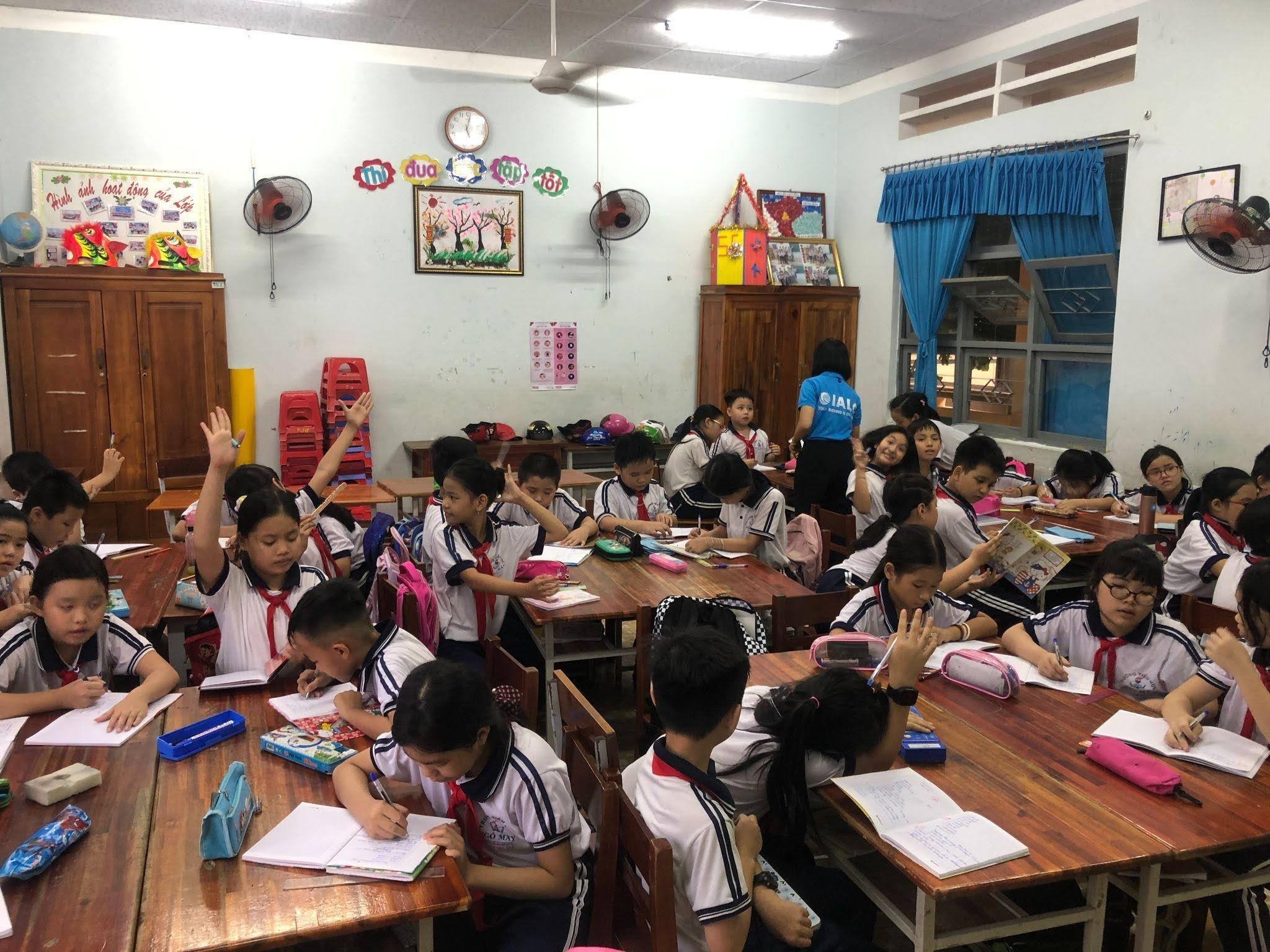
Before moving to Vietnam, I spent a lot of time thinking about teaching: lesson planning, classroom management, activities and student engagement.
What I didn’t spend enough time thinking about was everything else. Because teaching is only one small part of moving overseas.
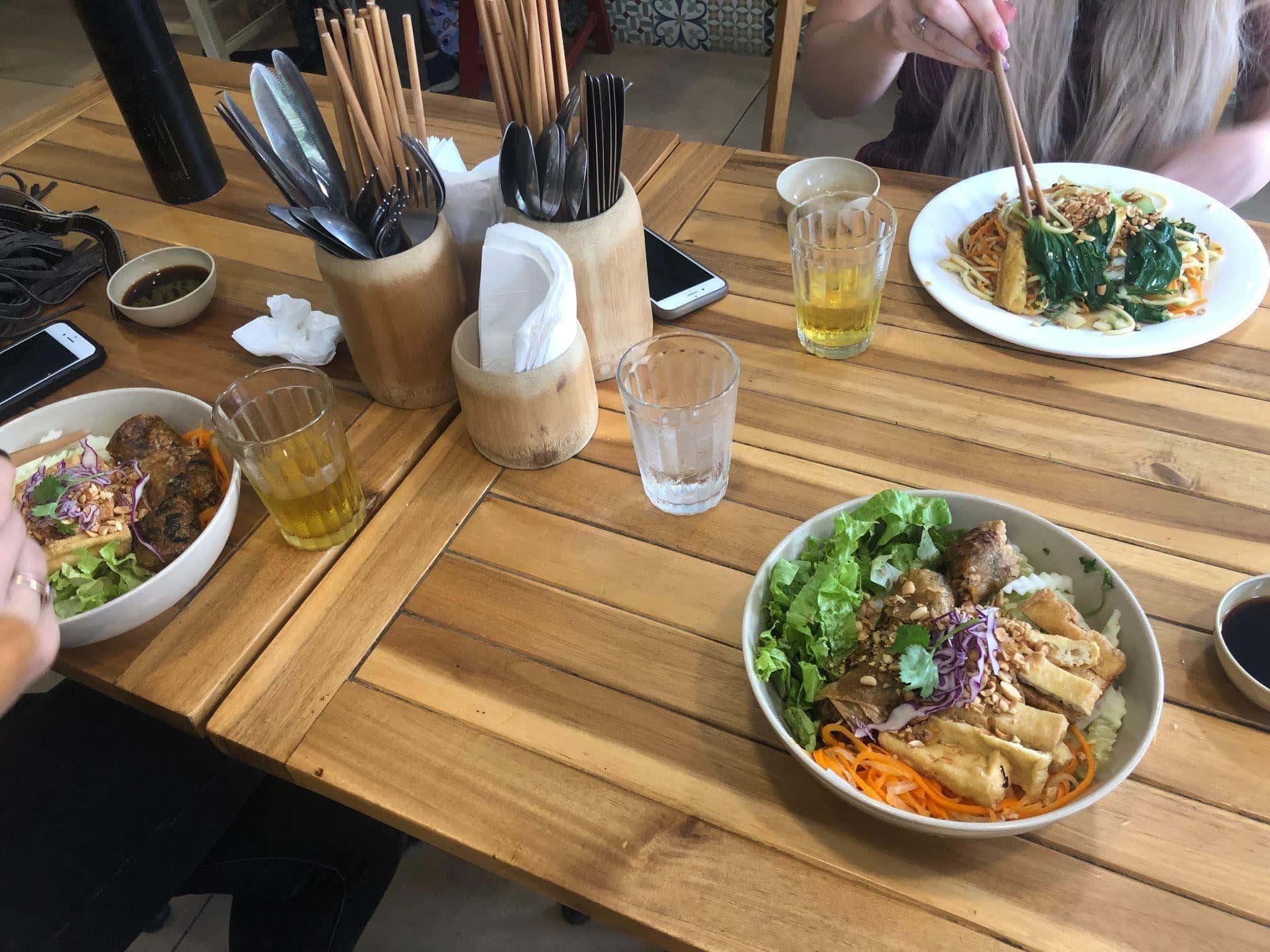
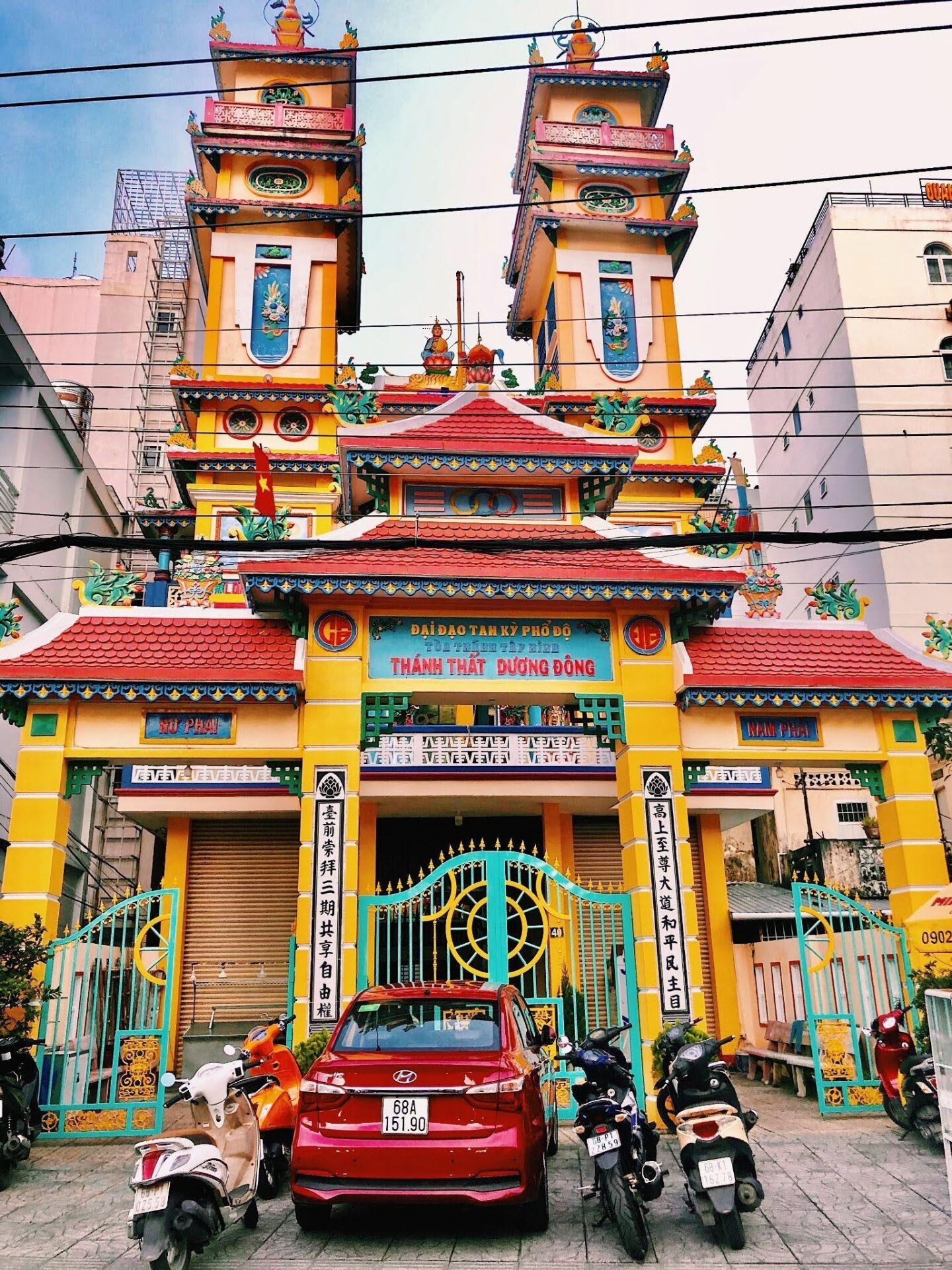
You’re also figuring out how to rent an apartment, order food, navigate a new city, make friends, set up a bank account, learn local customs, and build an entirely new life from scratch.
Looking back, I assumed teaching would be the hardest part. What I soon realised is that building a whole new life in a foreign country was the real challenge. And that’s not necessarily a bad thing. In fact, it’s where most of the growth happens. But it’s something I wish I’d understood before arriving.
Flexibility > experience
If there’s one thing Vietnam taught me, it’s how to be adaptable.
I arrived expecting things to be relatively structured and predictable. Instead, I quickly learned that flexibility is one of the most valuable skills you can have as a teacher abroad.
This was especially true in the classroom.
I’d spend time preparing a lesson only to discover that my students’ English level was completely different from what I’d expected. Sometimes I needed to simplify everything on the spot. Other times, I had to make the lesson much more challenging.
A lot of teaching ended up feeling like improvisation.
The same thing happened outside the classroom. Traffic caused delays. Schedules changed. Plans shifted. Rainstorms appeared out of nowhere.
Vietnam has a funny way of reminding you that not everything can be controlled.
The teachers who seemed happiest weren’t necessarily the most organised. The key was to be able to adapt quickly when things didn’t go according to plan. Ironically, that’s also what made teaching so enjoyable. No two days ever felt the same.

Musical chairs apartments
If I could give you one practical piece of advice, it would be this:
Don’t stress too much about finding the perfect apartment immediately.
A lot of people arrive and feel pressure to get everything sorted straight away. I certainly did. But what you think you want before arriving often changes once you’ve actually lived in the city for a few weeks.
Maybe you realise you’d rather live closer to work. Maybe you discover a neighbourhood you love. Maybe you decide you want more space. Or maybe you learn that climbing five flights of stairs every day isn’t quite as charming as it looked in the photos.
Apartments can be very hit-or-miss, and online listings don’t always tell the full story.
If possible, book temporary accommodation for your first week or two and view places in person before committing. It’ll give you a much better sense of where you actually want to live.
There’s life outside the expat bubble
Before moving abroad, most of us do a lot of research online.
The problem is that much of that content focuses on expat life: the trendy cafés, the popular neighbourhoods, the places where foreigners spend most of their time.
But many teaching jobs are located well outside those areas. Some of the schools and language centres I taught at were in much more local neighbourhoods where very few people spoke English.
Read more: What’s It Like Teaching In Vietnam: Rural VS Urban Life Compared
Google Translate quickly became one of my most used apps. There were times when I couldn’t rely on written translations because the person I was speaking to couldn’t even read them. Instead, I’d play the audio translation aloud and hope for the best.
Moments like that can feel intimidating at first, but you can also choose to see them as part of the adventure.
My advice? Don’t spend all your time in the expat bubble.
Of course, it’s comfortable, but some of my favourite memories came from stepping outside.
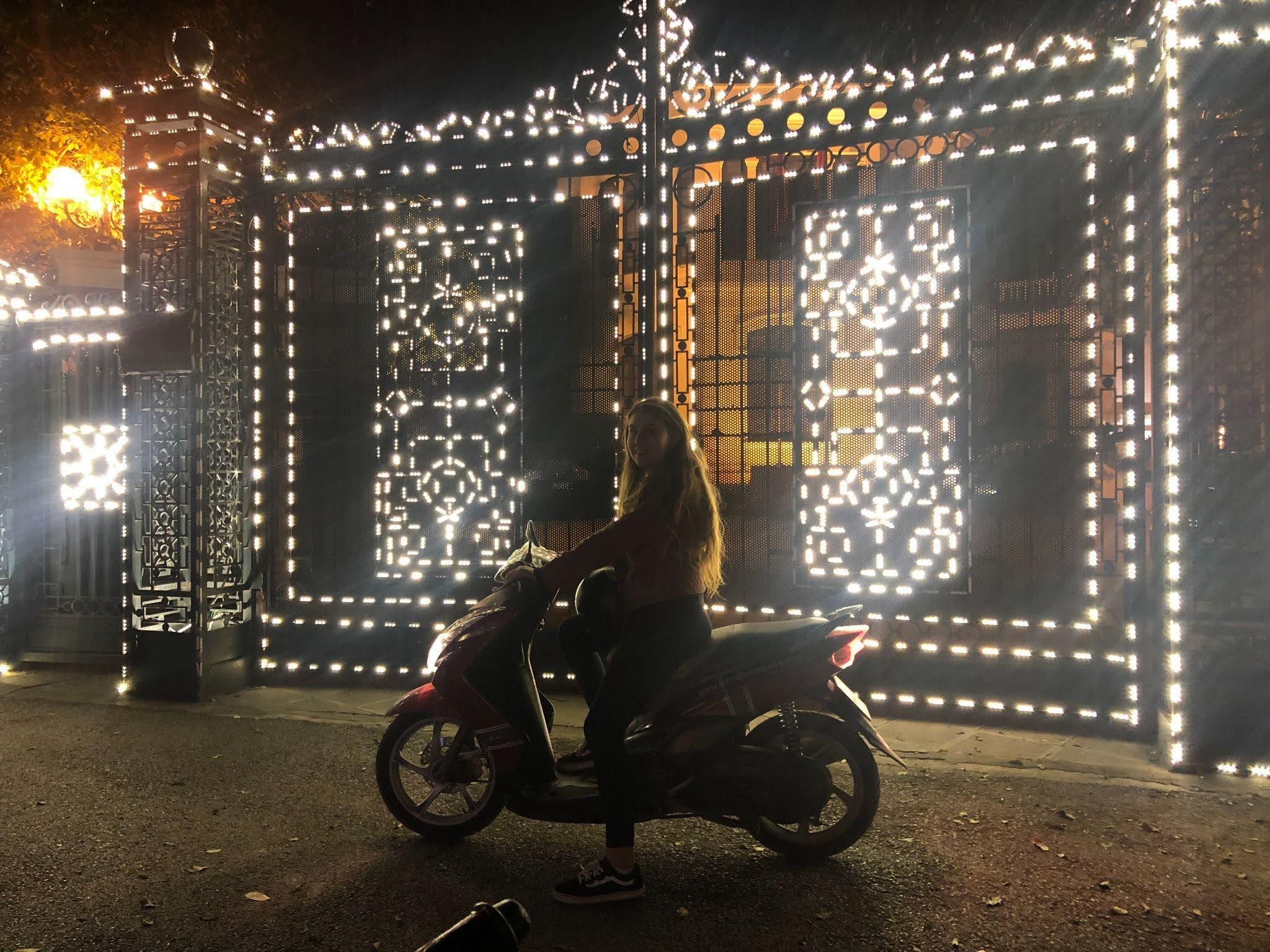
Embrace the scooter
For a while, I relied heavily on Grab and Gojek.
And honestly, they’re fantastic. But eventually, I realised how much freedom came with having my own scooter.
I could explore more easily, didn’t need to wait for a driver, and could take spontaneous detours whenever I felt like it.
That said, learning to ride in Hanoi is not for the faint-hearted. The traffic can feel completely chaotic when you’re new. Especially if you’re used to driving on the opposite side of the road.
For the first few weeks, I was convinced everyone else knew something I didn’t. But like most things in Vietnam, what feels impossible at first eventually becomes normal. And if you can navigate the crazy streets of Hanoi, you can probably drive anywhere.
Community matters
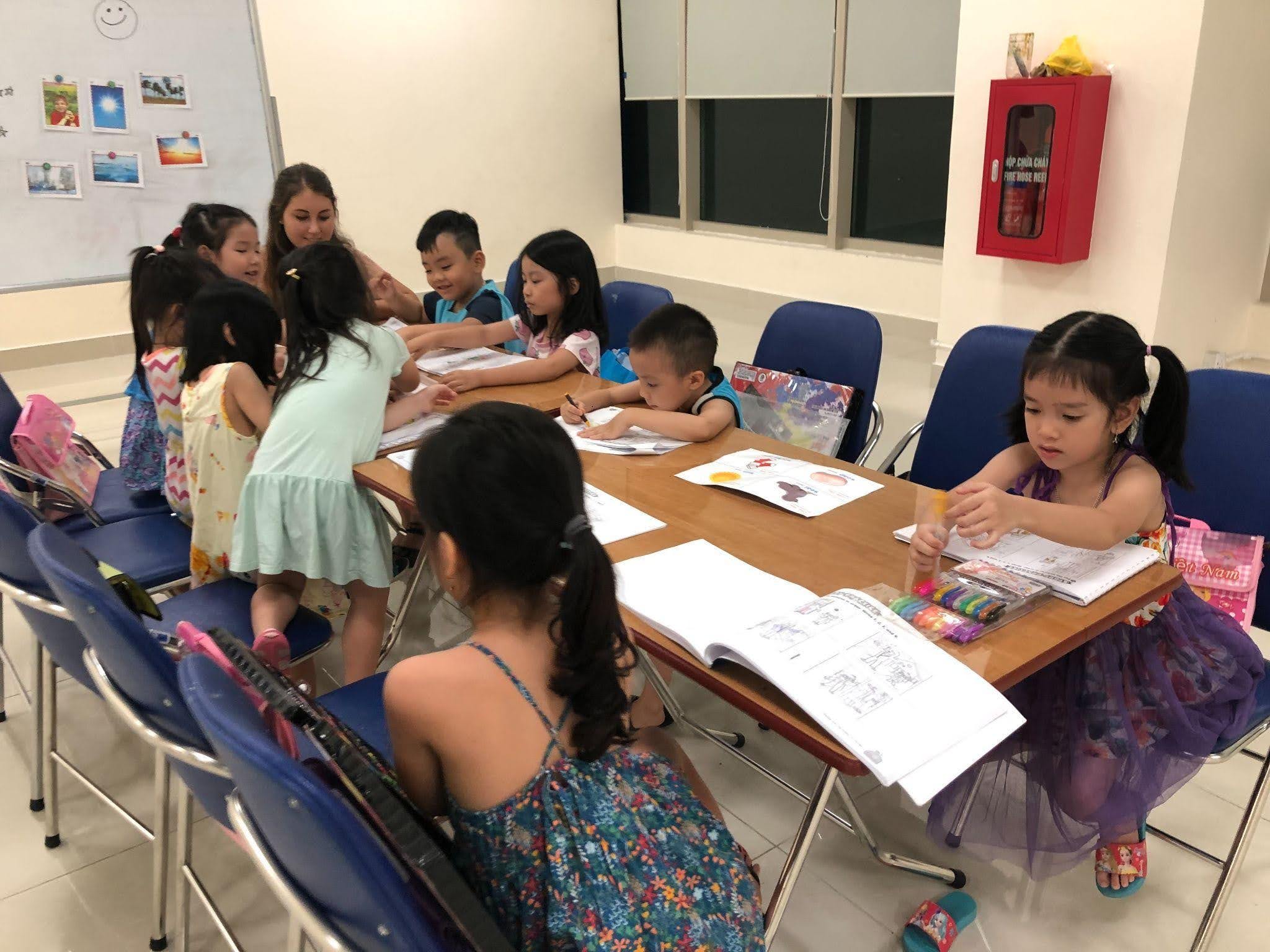
One thing that surprised me was how quickly other teachers became such an important part of my experience.
When you move abroad, you’re often surrounded by people who are going through similar things. They’re adjusting to a new country, building a life from scratch, learning as they go. There’s something about figuring things out together that creates a unique bond. Some of my closest friendships were formed during my time in Vietnam.
The downside is that people come and go. Someone finishes a contract and moves home, someone else heads off to Thailand, someone decides to move to Bali.
You get used to saying goodbye. But you also end up with friends scattered all over the world, which is the beauty of it.
You might not want to leave
This is probably the biggest one.
When I moved to Vietnam, I didn’t expect to stay for years.
Like many people, I arrived with a rough timeline in mind. Maybe a season. Maybe a year at most. Then life happened.
I found coffee shops I went back to every week. I built incredible friendships. I started feeling at home in a city that once felt completely overwhelming.
Teaching became a lot more than just a job.
The low cost of living made it easy to enjoy life and save money at the same time.
Read more: What’s The Cost Of Living In Vietnam? We Asked Our Teachers
Vietnam also became the perfect base for travelling around Asia, something I took full advantage of whenever I could.
Before I knew it, the one-year plan I’d arrived with had quietly disappeared. And again.
What started as a teaching opportunity became a chapter of my life that shaped me in ways I never expected.
Final thoughts
If you’d told me when I boarded that flight that I’d end up staying for years, travelling all over Asia, learning to ride a scooter in Hanoi traffic, and building some of the closest friendships of my life, I probably wouldn’t have believed you.
But that’s the incredible thing about teaching abroad. The experiences that end up shaping you the most are usually the ones you never saw coming.

Author Bio

Accreditation & Quality Assurance
The TEFL Academy was the world’s first TEFL course provider to receive official recognition from government regulated awarding bodies in both the USA and UK. This means when you graduate you’ll hold a globally recognised Level 3 (120hr) Certificate or Level 5 (168hr) Diploma, meaning you can find work anywhere and apply for jobs immediately.