 United States
US
United States
US










Specialised TEFL: Teaching Aviation English
Join a global community of over 200,000 TEFL teachers working throughout the world! Enrol me!


 January 21, 2026
When people think of TEFL, they often imagine teaching General English to kids, teens or adults in busy classrooms. But English teaching isn’t limited to the basics. There are plenty of specialised branches designed for very specific learners. One such area is Aviation English.
To be clear, we’re not talking about teaching birds to flap through grammar drills. This is the technical language that pilots, air traffic controllers and aviation staff use to keep the skies safe.
But how does one go from regular TEFL to the wonderful world of Aviation English, where lessons centre around guiding future pilots and flight attendants through the precise language of the skies?
Harvey taught Aviation English to Chinese teenagers.
Read more: Teaching English For Specific Purposes
When I first embarked on my career as an English teacher, I never imagined I’d one day be guiding students on how to warmly welcome passengers aboard an aircraft or calmly reassure someone nervous about flying.
Yet, that’s exactly where my path led me: I teach Aviation English to enthusiastic Chinese teenagers dreaming of becoming flight attendants.
Read more: Top Tips For Teaching Teens In The EFL Classroom
A journey into Aviation English
For three wonderful summers, I delivered a week-long intensive course tailored to boost the students’ General English skills while introducing the specific aviation vocabulary they’d need in their future careers.
Coming from a TEFL background with no aviation experience, I approached this as I would any English for Specific Purposes (ESP) course: with a focus on clear communication, engaging role plays, and building confidence, while weaving in the technical terms essential to their roles.
Read more: What Is English For Specific Purposes And How Do I Teach It?
My TEFL journey has taken me to classrooms across the UK, Greece, and beyond, where I’ve worn many hats: teacher, trainer and Director of Studies.
I’ve worked with learners of all levels, from Absolute Beginners to Advanced learners, and specialised in areas like Business English, IELTS preparation, and, of course, Aviation English.
What I cherish most about TEFL is its ability to bridge cultures and connect people from all corners of the world, creating meaningful moments in the classroom.
Initially, I thought Aviation English would be a dry, jargon-heavy subject. But I quickly learned that my students craved fun, interactive lessons that prepared them for real-world, customer-facing roles.
The focus isn’t just on technical terms; it’s about delivering excellent service, ensuring safety and communicating effectively under pressure. This discovery made every lesson a joy to teach.

What is Aviation English?
Aviation English is about equipping students to communicate confidently and effectively in aviation settings.
For aspiring flight attendants, this means mastering skills like:
- Passenger interaction: Offering friendly greetings, providing in-flight services, and resolving issues with kindness and professionalism.
- Safety announcements and procedures: Delivering clear, calm, and accurate instructions to ensure passenger safety.
- Handling emergencies: Managing high-pressure situations like medical incidents, turbulence, or evacuations with poise.
- Cross-cultural communication: Engaging with international passengers in a way that’s culturally sensitive and welcoming.
What sets Aviation English apart from General English is its laser focus on context.
Instead of role-playing a casual chat at a café, students practice serving drinks at 30,000 feet. Instead of giving directions around town, they rehearse safety briefings.
Every activity carries a professional tone, preparing students for the real-world demands of their roles.
I found that using authentic materials like real airline safety announcements, in-flight dialogues or excerpts from cabin crew manuals brought lessons to life. These resources not only made classes more engaging but also gave students practical skills they could apply directly in their future roles, whether assisting passengers at the gate or ensuring safety in the cabin.
Read more: The Power Of Authenticity In EFL: Engaging Students For Real-World Success
Who can teach Aviation English?
The good news?
You don’t need to be a pilot or former flight attendant to teach Aviation English!
An accredited TEFL qualification, some classroom experience and a willingness to dive into aviation-specific materials are more than enough to get started.
I’d suggest gaining a few years of General English teaching experience first. This builds the confidence to manage diverse learners, adapt lessons on the spot, and deliver content smoothly, even if you’re still learning the aviation terminology yourself.
It’s all about being a strong communicator and a quick learner.
There are several ways to break into teaching Aviation English:
- Language schools: Many partner with airlines or aviation training academies to offer English courses.
- Summer schools: Short, intensive courses (like the ones I taught) are common in this field.
- Online teaching: A growing niche, especially for students preparing for airline interviews or needing targeted support.
If you’re proactive, you can even pitch a tailored English programme to aviation colleges or training centres. This field is niche enough that motivated teachers can create their own opportunities with a bit of creativity.
Read more: From Classroom To Business: Exploring The Teacherpreneur Movement
Who are the students?
My students were vibrant Chinese teenagers from Beijing, aged 16–18, enrolled in a vocational programme to become flight attendants. They were driven by big dreams (“I want to work for a top airline and travel the world!”) and practical goals (“I need English to pass my training.”).
Their close friendships created a warm, supportive classroom atmosphere, where even the shyest students felt encouraged to participate, and role plays became fun, collaborative experiences.
Read more: Things To Know About Chinese Classroom Culture
Aviation English students can include:
- Pilots and air traffic controllers who need to master precise ICAO-standard phraseology for safe communication.
- Cabin crew who focus on service-oriented and safety-related language.
- Ground staff who handle customer service tasks like check-in and boarding.
Definition: ICAO stands for the International Civil Aviation Organisation. It’s a UN agency that sets global aviation standards. English is the international language of aviation and ICAO sets standards of proficiency for anyone employed in the aviation industry.
Each group has unique needs, but they all share a common goal: clear, professional, and polite communication in high-stakes environments.
Understanding their motivations and tailoring lessons to their specific roles is key to creating impactful learning experiences.
Challenges of teaching Aviation English
Stepping into the unknown
Stepping into a field where I wasn’t an expert was both humbling and exciting. I often learned aviation terms and concepts alongside my students, which felt challenging at first.
I soon embraced this as part of the journey, and it brought a lively, collaborative energy to the classroom.
Read more: From Teacher-Centred To Learner-Centred: Transforming Your Classroom For Success
Making advanced concepts accessible
Another hurdle was balancing my students’ Intermediate English levels with the Advanced vocabulary needed for complex scenarios, like handling medical emergencies or delivering safety briefings.
To make this manageable, I used scaffolding techniques:
- Starting with simple, structured dialogues.
- Building visual vocabulary lists with clear definitions and images.
- Revisiting scenarios multiple times, gradually increasing complexity.
- Keeping lessons dynamic with role plays, pair work, and group activities.
Read more: 7 Interactive Classroom Activities
Turning shyness into confidence
Shyness was a common obstacle, especially for tasks like making in-flight announcements. I made these moments fun by incorporating games, group performances, and recording practice announcements for playback.
By the end of the week, students who started off whispering were confidently speaking into a “mock PA system.”
Teaching international groups taught me the importance of preparation.
Here’s what helped me tailor lessons and keep students engaged and supported:
- Knowing students’ English levels in advance
- Using translators when needed
- Gathering feedback daily
Rewards and takeaways
The most heartwarming part of teaching Aviation English was watching students’ confidence blossom.
Read more: 5 Tips To Boost Your Students’ Confidence
On Day One, many could barely say “Hello” without giggling nervously. By the fifth day, they were striding through the classroom, offering “Would you like chicken or beef?” with clarity, or delivering safety demos with authority. Those moments were pure magic.
Teaching Aviation English opened my eyes to the fascinating world of aviation. I gained a deep respect for the professionals who ensure safe, smooth travel. Understanding their challenges, whether handling passenger complaints or communicating under pressure, made my teaching more meaningful.
This experience reinforced that ESP teaching isn’t about being a subject expert; it’s about coaching communication.
When students can see exactly how they’ll use their skills, their motivation soars, creating a rewarding cycle for both teacher and learner.
It’s a reminder that teaching is as much about inspiring confidence as it is about imparting knowledge.
Read more: Qualities Of A Good TEFL Teacher
Contracts for teaching Aviation English
My Aviation English courses were delivered through short-term summer contracts, typically one-week intensives with around six hours of daily teaching, spanning three summers.
I worked through an organisation partnered with an aviation college, which handled student recruitment, making the process seamless.
These short contracts are both financially rewarding and professionally fulfilling, offering variety and a clear sense of purpose that makes every day exciting.
Read more: What To Expect In A TEFL Contract
The pay is slightly higher than standard summer school rates due to the specialised nature of the subject, often ranging from £20–£40 ($25-$55) an hour online or £400–£600 ($540-$810) a week in person, depending on the location and contract.
Today, many teachers offer Aviation English privately online, especially for students preparing for airline interviews. They often charge premium rates for these tailored lessons.
Read more: 7 Easy Steps To Being A Successful Independent Online English Teacher
Tips for TEFL teachers considering Aviation English
Understand your learners: Learn about students’ backgrounds, goals, and English levels. Whether pilots, cabin crew, or ground staff, their needs shape your lessons.
Don’t stress about aviation knowledge: Master the basics and focus on communication — students don’t expect you to fly a plane!
Build a role-play toolkit: Scenarios like meal service, safety demos, and emergencies are engaging and practical.
Use real-world materials: Safety cards, announcements, or aircraft diagrams make lessons relevant and exciting.
Use an Aviation English course book: A course book offers a solid framework and saves on planning time while ensuring comprehensive coverage of aviation-specific language, streamlining syllabus development.
Select units that align with your students’ needs, adapting exercises to their English level. Supplement with role-plays and real-world materials to keep lessons dynamic.
Coursebook recommendations for Aviation English:
“Aviation English” by Henry Emery and Andy Roberts
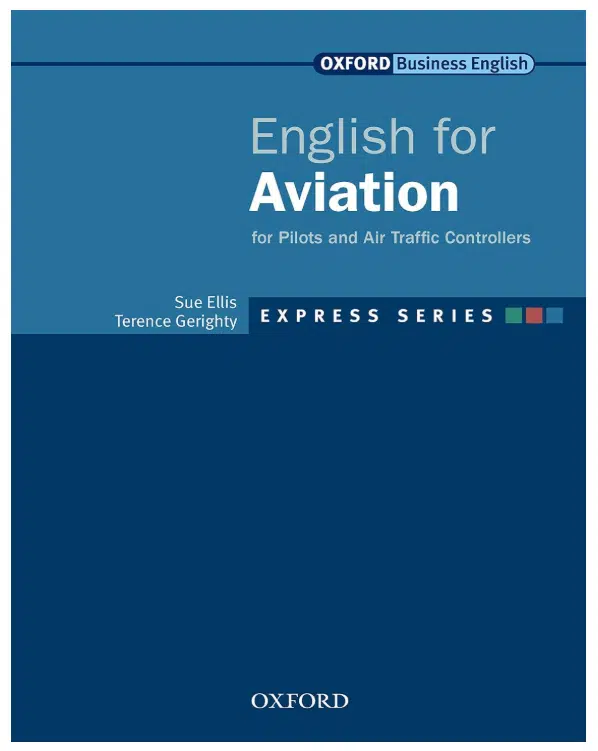
“English for Aviation” by Sue Ellis and Terence Gerighty
Celebrate small wins: Encourage students through challenges like public speaking. Highlight progress to boost confidence.
Assess creatively: Use recorded role-plays or reflective speeches instead of traditional tests for meaningful evaluation.
Embrace the niche: Aviation English is less competitive, offering higher rates and purposeful work.
Would you recommend teaching Aviation English?
I wholeheartedly recommend exploring Aviation English as a TEFL niche.
This field is ideal for TEFL teachers who:
- enjoy interactive lessons that build students’ confidence in professional settings,
- have some teaching experience under their belt,
- love ESP or teaching English in professional contexts,
- are open to researching and tailoring lessons to specific needs.
You don’t need aviation expertise, just the passion to help students communicate effectively in the skies.
Aviation English is rewarding because of its tangible impact. You’re equipping students with the tools they need for their dream career. Your teaching shapes their success, which is energising and makes every lesson meaningful.
Aviation English offers a unique opportunity to develop a specialist skill while empowering the next generation of aviation professionals. It’s a journey worth taking. I’d encourage any TEFL teacher to try it!
Ready to jet off to an Aviation English classroom? Then an accredited TEFL qualification from The TEFL Academy could be your boarding pass to exciting niche TEFL opportunities.
Author Bio

Accreditation & Quality Assurance
The TEFL Academy was the world’s first TEFL course provider to receive official recognition from government regulated awarding bodies in both the USA and UK. This means when you graduate you’ll hold a globally recognised Level 3 (120hr) Certificate or Level 5 (168hr) Diploma, meaning you can find work anywhere and apply for jobs immediately.